
Few things in gaming are as disheartening as watching a once-beloved franchise lose its spark over time. Some series start strong, captivating players with groundbreaking mechanics, engaging stories, or unforgettable characters, only to stumble in later entries. Whether due to overexposure, creative missteps, or an inability to adapt to modern trends, franchises like Uncharted and Dragon Age show that even the brightest flames can fade when stretched too far.
For every series that successfully reinvents itself and stays relevant, there are others that continue well past their prime, leaving fans more disappointed than excited. Instead of celebrating a new release, players are left longing for the glory days or feeling frustrated about wasted money. That said, not all of these video games are outright bad. A series that’s lost some momentum can still be very good, just not as incredible as it once was.
10
Assassin’s Creed Has Struggled Without Desmond
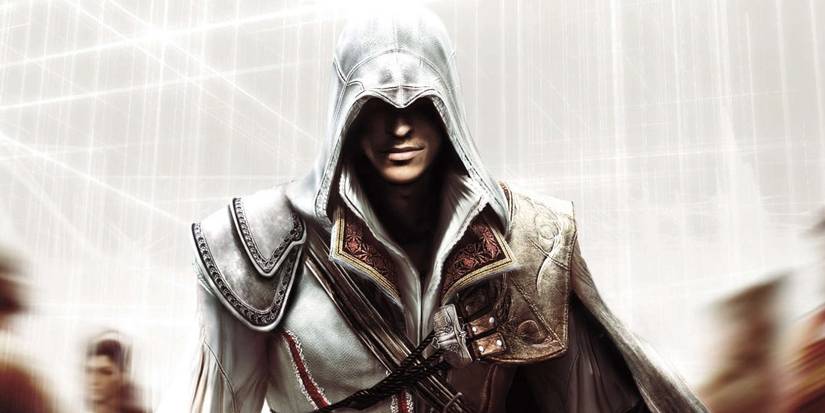
The very first Assassin’s Creed game
Image via Ubisoft
Ubisoft’s Assassin’s Creed has become one of the most recognizable franchises in modern gaming. Set against richly detailed historical backdrops, the series blends open-world exploration, stealth, and action-adventure mechanics. Players assume the roles of assassins who, through the Animus, relive ancestral memories to battle the Templar Order across centuries. From the Crusades to Ancient Greece and the Viking Age, each title merges fiction with real-world events and figures, creating immersive historical playgrounds.
A major turning point for the franchise was the death of Desmond Miles at the end of Assassin’s Creed III. What was once a compelling future storyline has since become a weak, often disjointed part of the experience. Another major issue is the fading focus on the Assassin’s Creed itself. Recent protagonists tend to follow their own ideals, occasionally helping the order, but rarely committing to its core philosophy. While the gameplay remains strong, the narrative has taken a noticeable hit, a decline that’s especially evident with Shadows.
9
Sonic The Hedgehog Has Dropped a Lot of Gold Rings
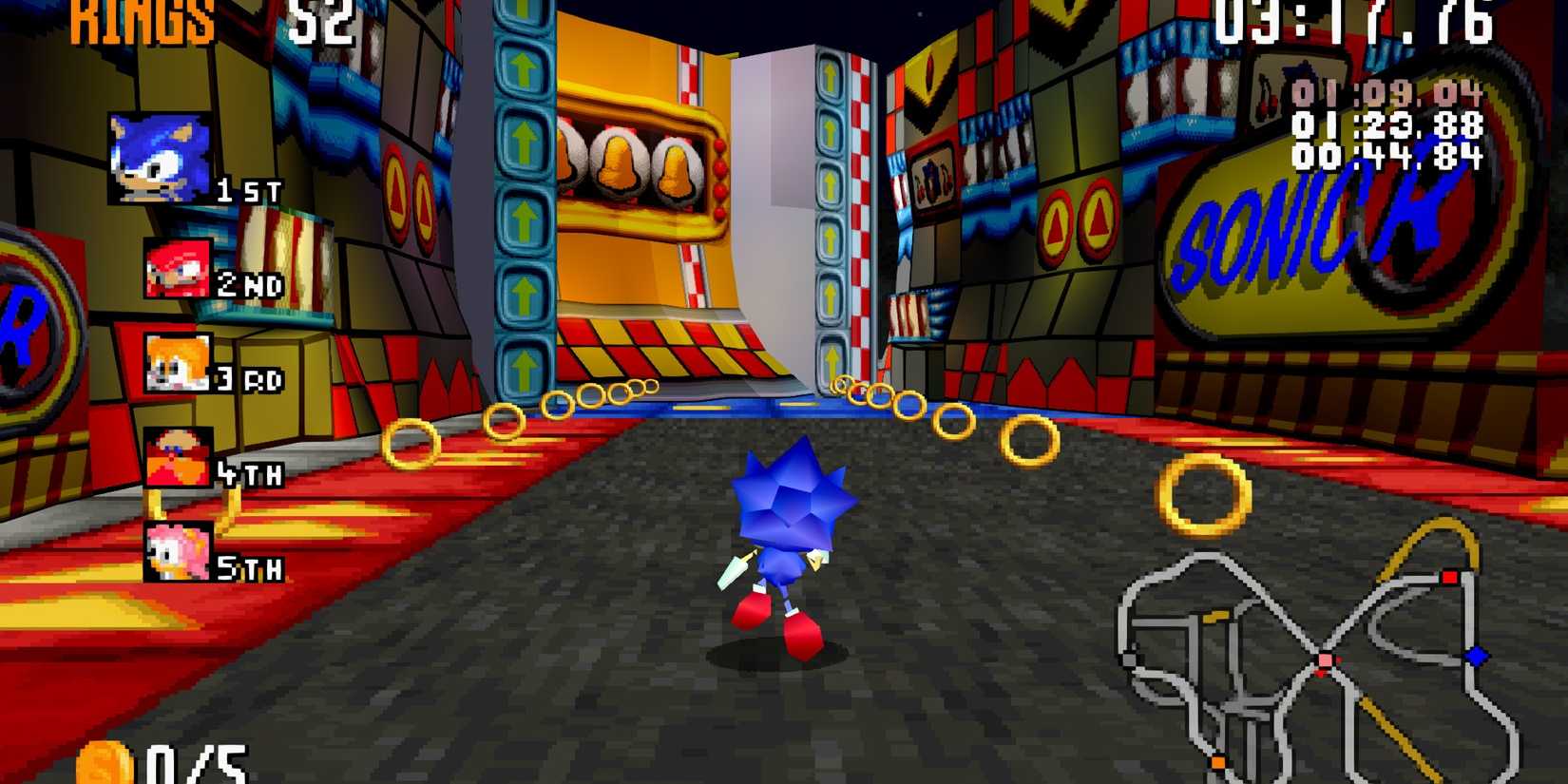
Sonic R Sega Saturn gameplay
Image via Sega
Sonic the Hedgehog quickly established itself as a cornerstone of video game history. Designed to rival Nintendo’s Mario, Sonic became Sega’s blue mascot, representing speed, attitude, and modern style during the 16-bit console wars. Gameplay in the early 2D titles emphasized high-speed platforming and momentum-based movement, with speed being a huge part of Sonic’s appeal.
Over the years, the series has experimented with 3D entries such as Sonic Adventure, Sonic Generations, and Sonic Frontiers, each trying to modernize the formula with mixed results. While there have been great Sonic games on every Sega console, the franchise has struggled to maintain consistency, and few recent entries have come close to matching the quality of the original run.
8
Postal Should Have Been a Legendary Series
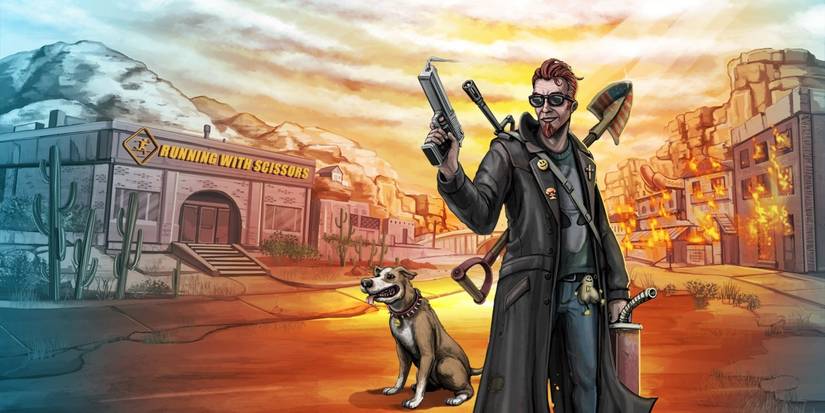
Image via Running with Scissors
Postal quickly gained notoriety for its extreme violence, crude humor, and willingness to push boundaries. Players typically assume the role of the “Postal Dude,” a cynical and darkly comedic protagonist who navigates satirical open-world scenarios that parody American culture, consumerism, and politics. The original game was a top-down shooter focused on mass destruction and chaos.
The series gained wider attention with Postal 2 in 2003, which introduced a fully open-world first-person experience. Players could choose violent or non-violent approaches, though its outrageous missions and freedom to cause mayhem were its biggest appeal. Postal III, however, was seen as a rushed and poorly made entry. The gameplay was sloppy, and the humor, once nuanced and satirical, became abrasive and ineffective.
7
Uncharted Has Started to Go Off the Rails
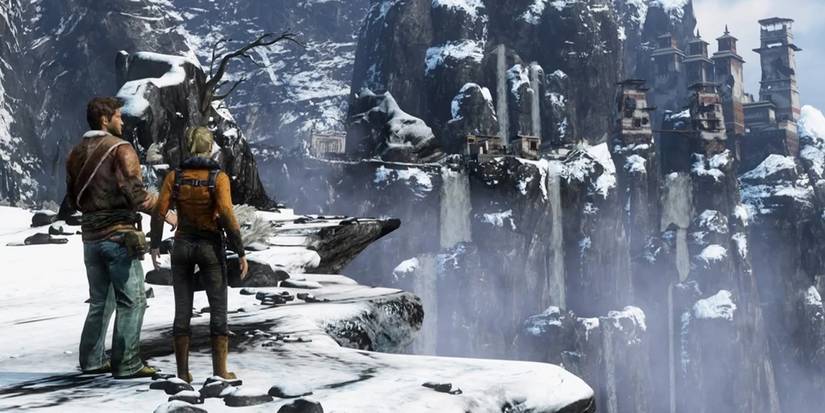
Nathan and Elena in the snowy mountains in Uncharted 2 Among Thieves
Image via Naughty Dog
Like a fair few games on this list, even though the Uncharted franchise started to decline, it’s not bad, just not as good as it used to be. The franchise follows wise-cracking treasure hunter Nathan Drake, whose globe-trotting adventures blend cinematic storytelling with third-person action. There are plenty of other action-adventure games that offer similar gameplay, but what set Uncharted apart was Drake himself.
The character’s absence in Uncharted: The Lost Legacy was noticeable and made the game feel more like a slog by comparison. While the franchise has been dormant since then, the Uncharted series includes some of the best action games of all time, and it would be great to see it return to its former glory.
6
The Battlefield Franchise Is On the Verge of a Comeback
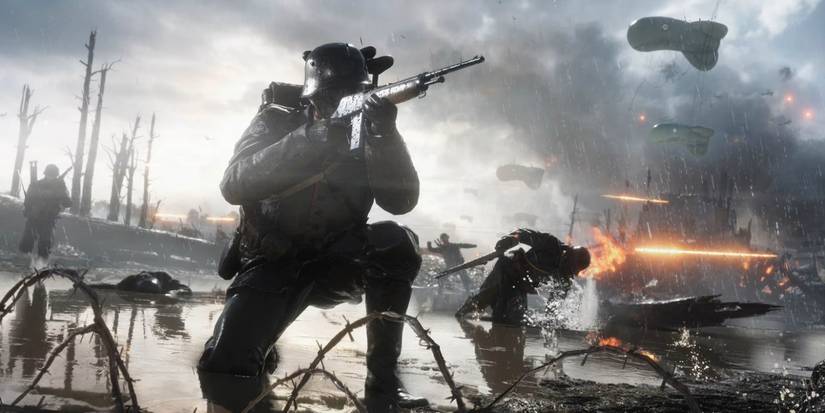
A Battlefield 1 gameplay still of a soldier aiming their gun in the middle of war.
Image via EA
Battlefield once stood as the gold standard for large-scale multiplayer shooters, delivering unforgettable sandbox chaos. However, the franchise began to stumble after Battlefield Hardline, a cops-and-robbers experiment that failed to resonate with the core community. Things worsened with Battlefield V, which launched with missing features, a lack of content, and controversial historical liberties.
Then came Battlefield 2042, a release plagued by bugs, stripped-down mechanics, and an unpopular shift toward hero-based characters. What was once a serious rival to Call of Duty became a symbol of inconsistency, leaving fans hesitant to trust the series again. That said, the beta for the next Battlefield game has shown promising signs of a return to form, with fantastic, destructive maps and incredible matches. It seems the series may soon return to a high level once again.
5
Dragon Age Has Famously Lost Its Magic
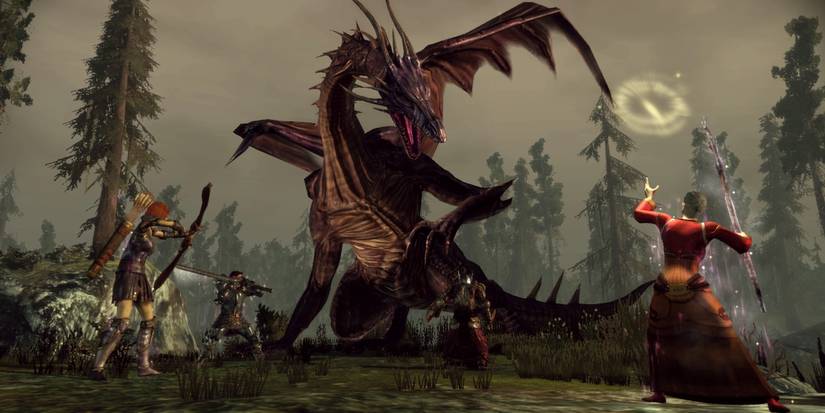
Dragon Age Origins Gameplay as party fights Flemeth
Image via BioWare
From the very start, the Dragon Age series stood out with its setting, rich in political intrigue and ancient threats. It proved to be a series where players could shape the story, and choices carried significant weight. The first entry, Origins, was praised for its depth and complexity, and later games like Inquisition expanded the scope of the series, even earning Game of the Year awards.
Unfortunately, the most recent entry, The Veilguard, took the Dragon Age franchise off track to the point where it might be done for good. It was criticized for its writing and for lessening the impact of player choices, which was one of the things that made the story stand out. It’s hard not to feel like Inquisition would have been a better place for the series to end.
4
Need for Speed Lost Sight of Why Fans Loved the Series
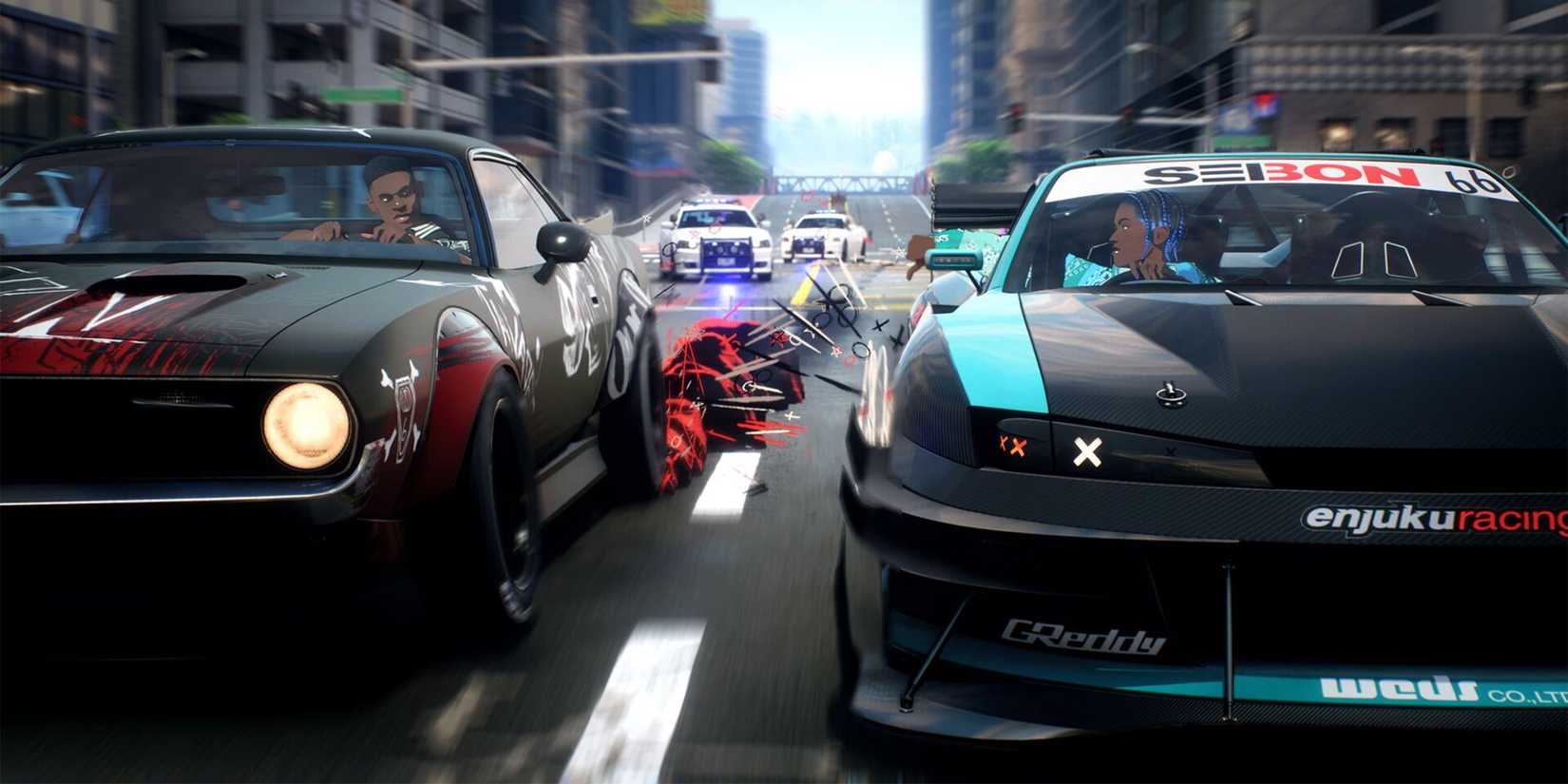
Image via Electronic Arts
Need for Speed stood out from its competitors for a simple reason: it was just really cool. A product of the late 1990s and mid-2000s, the earlier games oozed with Fast and Furious energy, letting players soup up their cars like something out of Tokyo Drift and race for street cred and pink slips. Grungy, trash-talk-filled cutscenes and fantastic soundtracks made the experience unforgettable.
Unfortunately, the series started taking itself a little too seriously and eventually introduced a strange hand-drawn style that felt out of place. The gritty street-modified cars and free roam challenges were replaced with an arcade racing sim that lacked the soul that made the early games stand out. Need for Speed shot up in popularity with Underground, but since then, the series has slowly lost that underground feeling.
3
Dead Rising Rose from the Dead Too Many Times
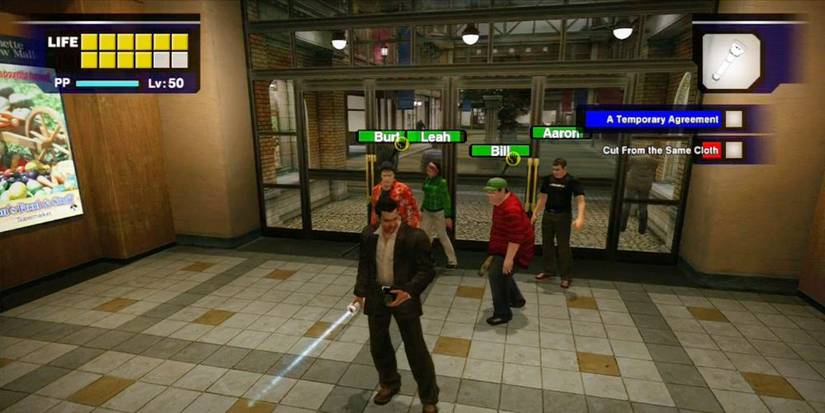
Image via Capcom
Dead Rising carved out a unique place in the zombie genre with its first two entries. The original introduced the pressure of a time-based system, while Dead Rising 2 expanded weapon crafting and fully embraced the series’ quirky tone. The first game starred photojournalist Frank West, whose witty personality and “covered wars” catchphrase helped define the series. The second followed Chuck Greene, a more grounded, all-American single dad trying to protect his daughter amid the chaos of Fortune City.
Unfortunately, the series shifted toward accessibility and realism with Dead Rising 3, which traded its signature time mechanics for a larger but emptier open world. Dead Rising 4 took this further by removing timers entirely, a move that erased much of the tension and replayability the series was known for. Combined with repetitive combat and a lack of innovation, the game was met with backlash from longtime fans. The series has since gone dormant, largely because it abandoned the identity that once made it stand out.
2
Far Cry Doesn’t Have Incredible Antagonists Like It Used to
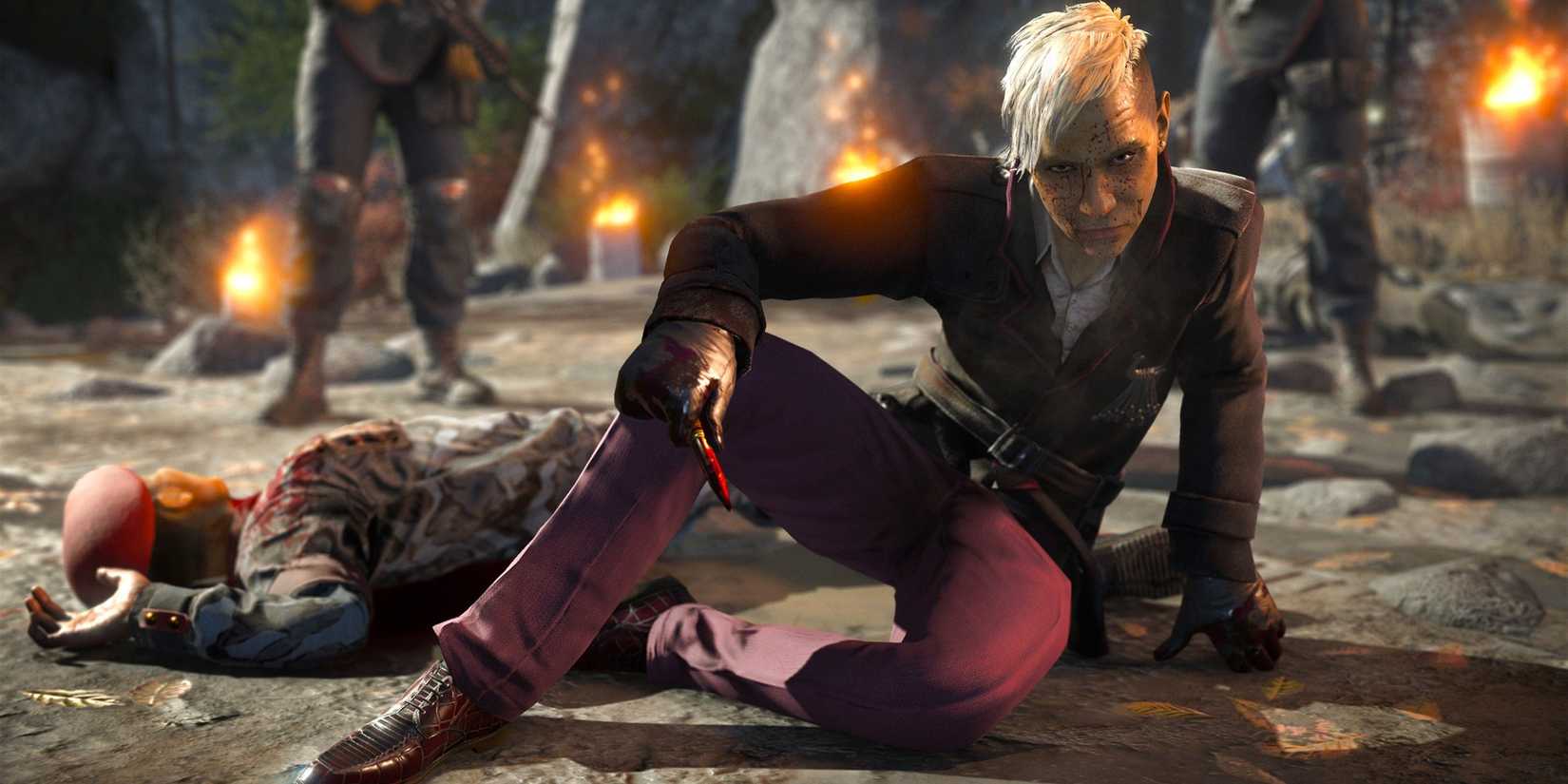
Image via Ubisoft
The original Far Cry games offered an innovative, non-linear combat experience that stood out in the shooter genre. Far Cry 2 pushed things even further with realistic fire physics, gun jamming, and a haunting, enigmatic antagonist. It laid the groundwork for a grittier, more immersive approach. Then Far Cry 3 introduced one of gaming’s most iconic villains with Vaas, whose charisma and unpredictability elevated the entire story.
Far Cry 4 followed suit with Pagan Min, and Far Cry 5 introduced an interesting religious cult leader, but after that, the series began to lose its spark. Primal didn’t land, New Dawn fell flat, and while Far Cry 6 had a strong villain, that was about it. Since Far Cry 4, the core gameplay has barely changed, and without the varied locations, it would be hard to tell which game is being played.
1
Call of Duty Is Living Off Name Recognition
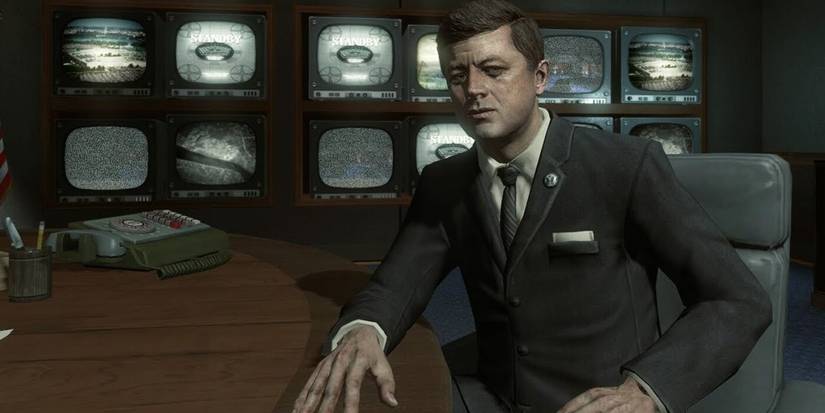
John F. Kennedy (JFK) in Call of Duty: Black Ops
Image via Activision
To say that Call of Duty just went downhill wouldn’t be entirely accurate. What Call of Duty tends to do is start strong with a fantastic run, then gradually decline until it’s rebooted and starts fresh, only to repeat the cycle all over again. Both the original and rebooted Modern Warfare series struck gold with their second entries, but struggled to deliver with the third. The rebooted series, in particular, lost momentum with a lazy campaign that felt like a string of Warzone maps repurposed with objectives.
Then there’s Black Ops. The first two games had some of the best campaigns in the franchise’s history, but after that came the shift toward futuristic settings, which brought simplified gameplay and a heavier focus on multiplayer. Even the beloved Zombies mode began to lose its appeal after Black Ops 3. Call of Duty is arguably the most well-known name in gaming, but it’s also a series known for spinning off strong mini-series that start brilliantly, then fall off with each new entry.