
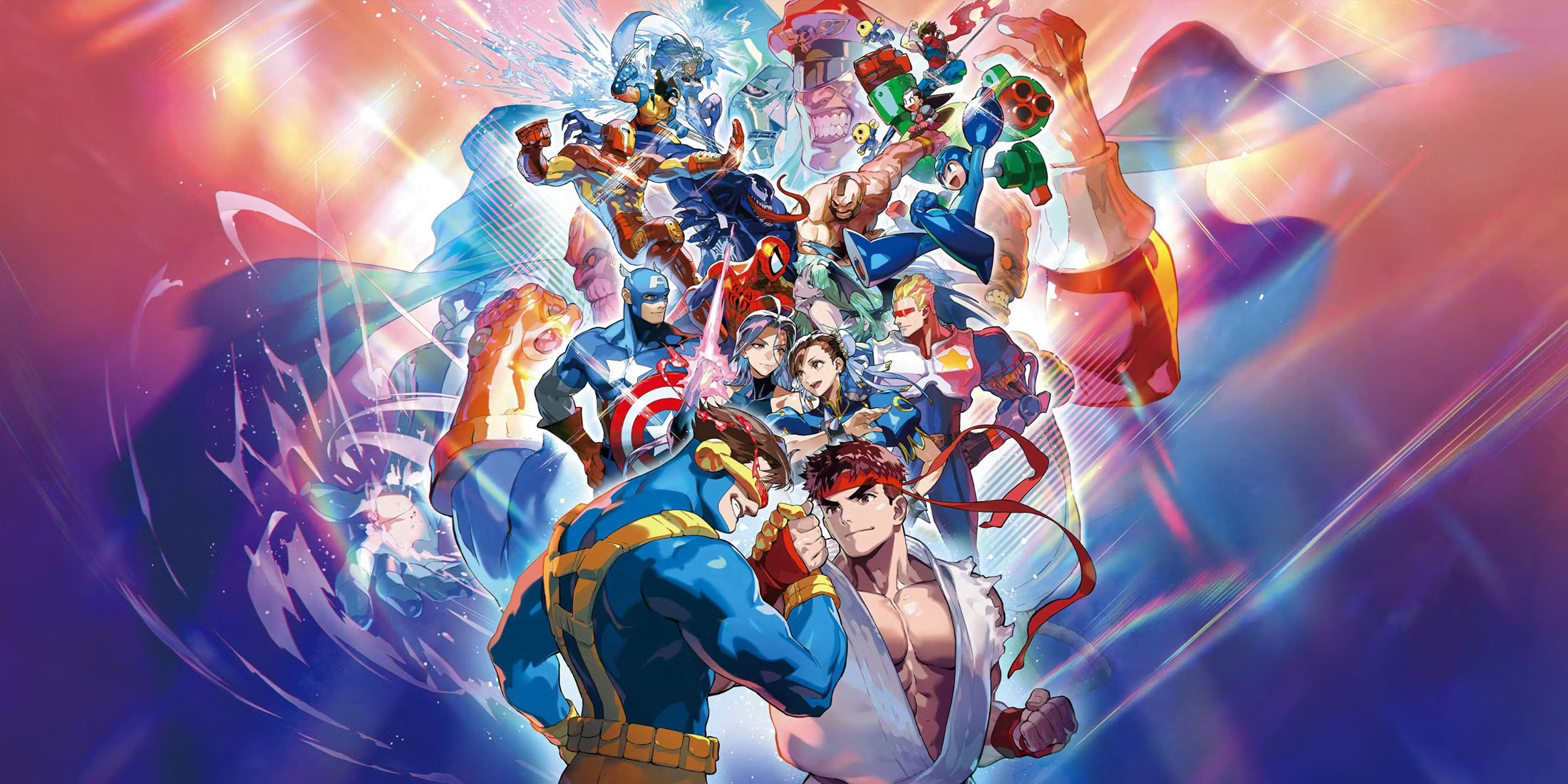
The fighting game genre is home to some of the most niche experiences in the video game industry, and these titles often struggle to appeal to large demographics due to their high barrier of entry. When developers lower this barrier of entry, longtime fans of the genre get frustrated, and this is why many arena fighting games have done poorly with both players and critics. Because of this, the most profitable way to reach the largest number of people with a fighting game is to license other characters that fans already have an interest in, and this is precisely what Capcom did in the early 1990s.
While Marvel vs. Capcom is Capcom’s most popular licensed fighting game, the developer created multiple titles before the inception of the iconic franchise, and the first of these games was X-Men: Children of the Atom in 1994. This title laid the groundwork for what would later become the Marvel vs. Capcom franchise, and fans have enjoyed the tag fighting franchise ever since. However, the Marvel vs. Capcom franchise has not received a new entry in over eight years, and new reveals from other developers have players curious about the future of a once-influential franchise.
The History and Cultural Impact of Marvel vs. Capcom
A Revolutionary Shift in Fighting Games
Capcom’s collaboration with Marvel did not immediately begin with Marvel vs. Capcom, as the first title the two companies would collaborate on was X-Men: Children of the Atom. While the game was not a tag team fighter like many of their later efforts, it still showed off some mechanics that would later become the groundwork for the two companies’ most popular collaboration.
The first game with the Marvel vs. Capcom title was released in 1998, and was ported to the Dreamcast a year later, and the original PlayStation in 2000. The Dreamcast version might not have the upscale graphics of the arcade or PlayStation ports, but it was the best way to play the game until Capcom rectified the situation with recent retro collections to bring the games up to modern standards.
Over 25 years later, the most beloved game in the franchise is still arguably Marvel vs. Capcom 2: New Age of Heroes. The title introduced 3v3 tag team gameplay, along with intriguing new 2.5D graphics that worked perfectly with the game’s cartoony art style. However, like many other tag team fighting games, the balance of the title was a nightmare, and some bugs were never patched from the game, which occasionally hindered competitive play in an era that was dominated by the arcade scene.
Related
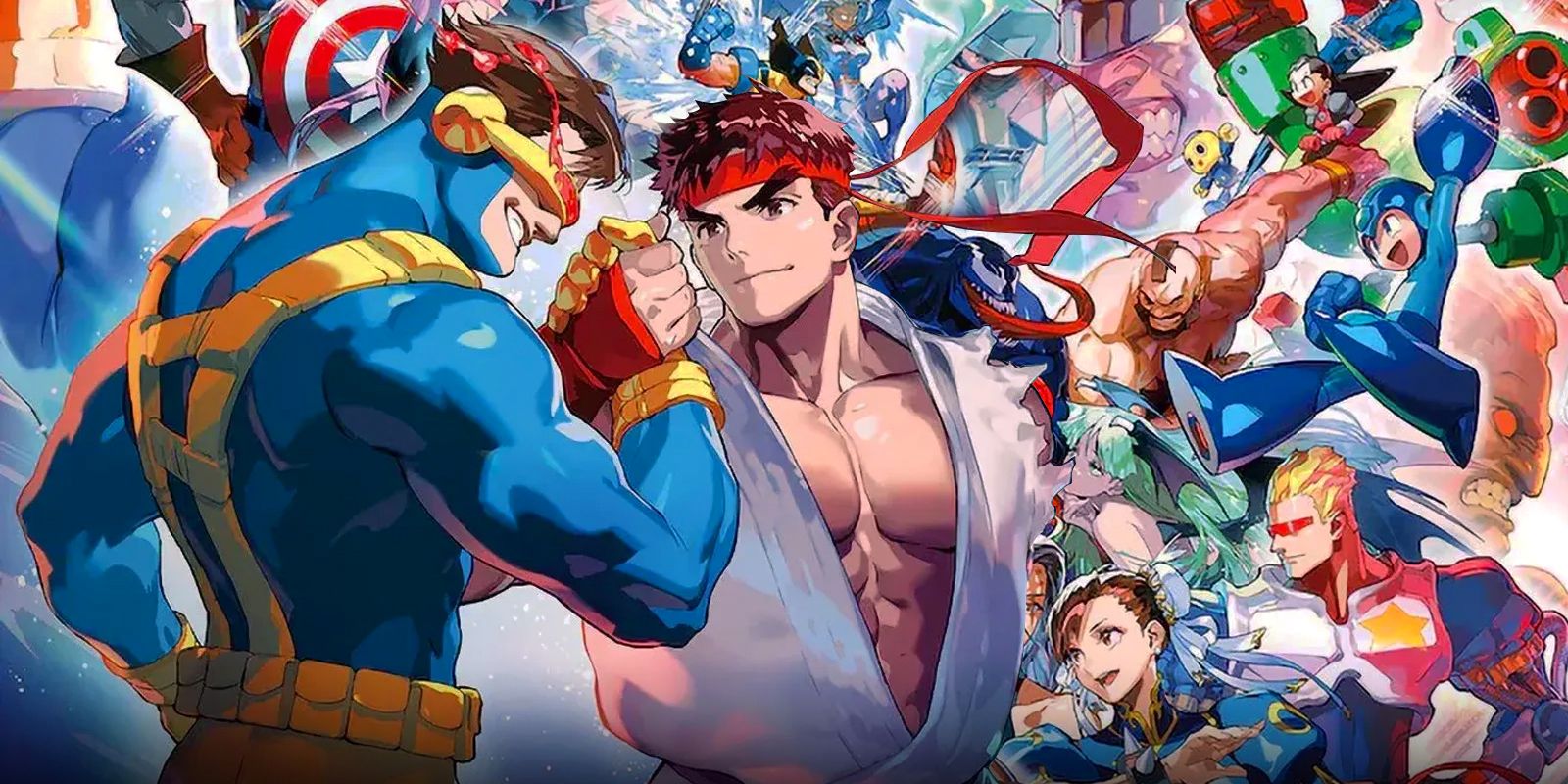
Capcom Needs to Bring Back This Crossover Series (& Add a Fan-Favorite Character)
It’s time for Marvel vs. Capcom to make a comeback—and add a fan-favorite Marvel character to the roster.
When the franchise began to pivot towards balancing the title around home consoles, Marvel vs. Capcom 3: Fate of Two Worlds was released, and it would later receive a special edition with some iconic DLC characters in the form of Marvel vs. Capcom 3 Ultimate. These characters included iconic final boss characters like Vergil from Devil May Cry and more oddball selections like Phoenix Wright from the Ace Attorney franchise.
This title is remembered for some of the most notable matches in competitive fighting game history, and it is still appreciated fondly by fans to this day. Unfortunately, not every Marvel vs. Capcom title is beloved by fans, and the entry that followed would signify the beginning of the end for one of the most iconic fighting game franchises of all time.
Overshadowed by an Arc System Works Masterpiece
Before the release of Marvel vs. Capcom Infinite, fans were incredibly excited about the new title. Fighting games were finally starting to get back on track, and Tekken 7 was quickly becoming one of the best-selling games in the genre of all time, so Capcom was optimistic about its chances of replicating the game’s incredible success. However, first impressions matter almost as much in the gaming industry as they do in day-to-day life, and Capcom struggled to immediately captivate audiences with the newest entry in its revolutionary tag team fighting game franchise.
Marvel vs. Capcom Infinite was released on Sept. 19, 2017, and the early reviews for the title were not promising, as both critics and players had immense problems with the game. In a stunning change, the game reverted to 2v2 tag battles, which had been left behind since the early days of the franchise. This frustrated players because it removed an immense amount of skill expression from the game, which alienated many of the competitive players while making new players unhappy with the learning experience because it was not as satisfying.
Furthermore, the title lacked many of the amazing characters from the previous entry, as Vergil and Phoenix Wright were both absent after fans were thrilled by their first appearances in the franchise. These omissions were incredibly aggravating, and the trimmed-down roster made the game feel significantly lazy when compared to its predecessors. All of these factors paled in comparison to the main issue with the game because Capcom had no chance of fixing the game and making it popular.
After all, it was overshadowed by its competition. Just over four months after the release of Marvel vs. Capcom Infinite, Arc System Works released one of the most popular tag team fighting games of all time, as Dragon Ball FighterZ was released on Jan. 26, 2018. Unlike its competition, the game thrived on release and was seen as one of the most refreshing titles that the genre had seen in years, and the iconic intellectual property it was based on made it more appealing than many other fighting games at the time.
Because the game relied on flashy combos and beautiful anime-style graphics, it instantly overshadowed Marvel vs Capcom, and the latter did not fix its mistakes in time for the game to become a success. Since then, the Marvel vs. Capcom series has become dormant, and no new games have been released for the series that are not collections of the series’ retro experiences. This has made fans worried that the franchise will never return, and new reveals at the June Sony State of Play and Summer Games Fest showed that the series is unlikely to return any time soon.
New Superhero Fighting Games Might Shift the Fighting Game Genre
For the longest time, the only company that Marvel collaborated with to make tag team fighting games was Capcom, and this partnership became one of the most revered team-ups in gaming history. However, with the failure of Marvel vs Capcom Infinite, the relationship soured, and players thought that they would never see a Marvel fighting game again.
Luckily, one other fighting game developer has been taking the industry by storm these past few years, and Arc System Works’ success with Dragon Ball FighterZ showed Marvel that the highly influential fighting game company could be trusted to create another amazing Marvel tag team fighting game. At the Sony State of Play in June, Arc System Works revealed their largest project in years, as they showed off gameplay and behind-the-scenes development for Marvel Tokon: Fighting Souls.
Related
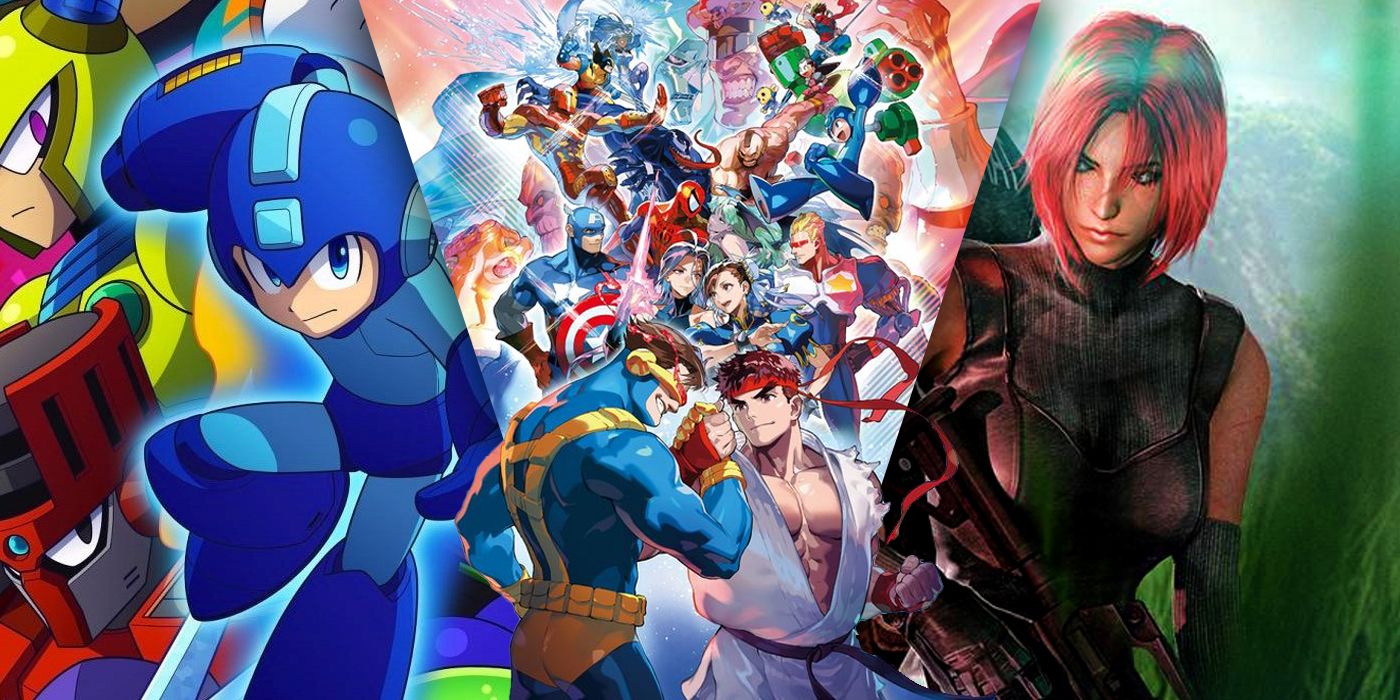
10 Forgotten Capcom Games That Need Sequels ASAP
Capcom has already announced sequels for Okami and Onimusha, but these forgotten games deserve the same treatment.
The game uses an art style that resembles games like Guilty Gear: Strive and Granblue Fantasy Versus: Rising, and it brings iconic Marvel characters to life beautifully by showing off their powers in flashy combos and amazing special moves. Furthermore, the game is more expansive than any tag team fighting game ever created, as it will utilize 4v4 combat to show off as many Marvel icons as possible. Marvel Tokon: Fighting Souls is scheduled to release in 2026, and fans are anticipating an amazing experience when it is finally released.
Overall, the Marvel vs. Capcom franchise used to be one of the most integral parts of the fighting game community, but recent failures have shown Marvel that continuing the partnership might not be the best idea anymore. With new superhero fighting games on the horizon, it might be time for fans to accept that the Marvel vs. Capcom franchise might never reach its former glory again.
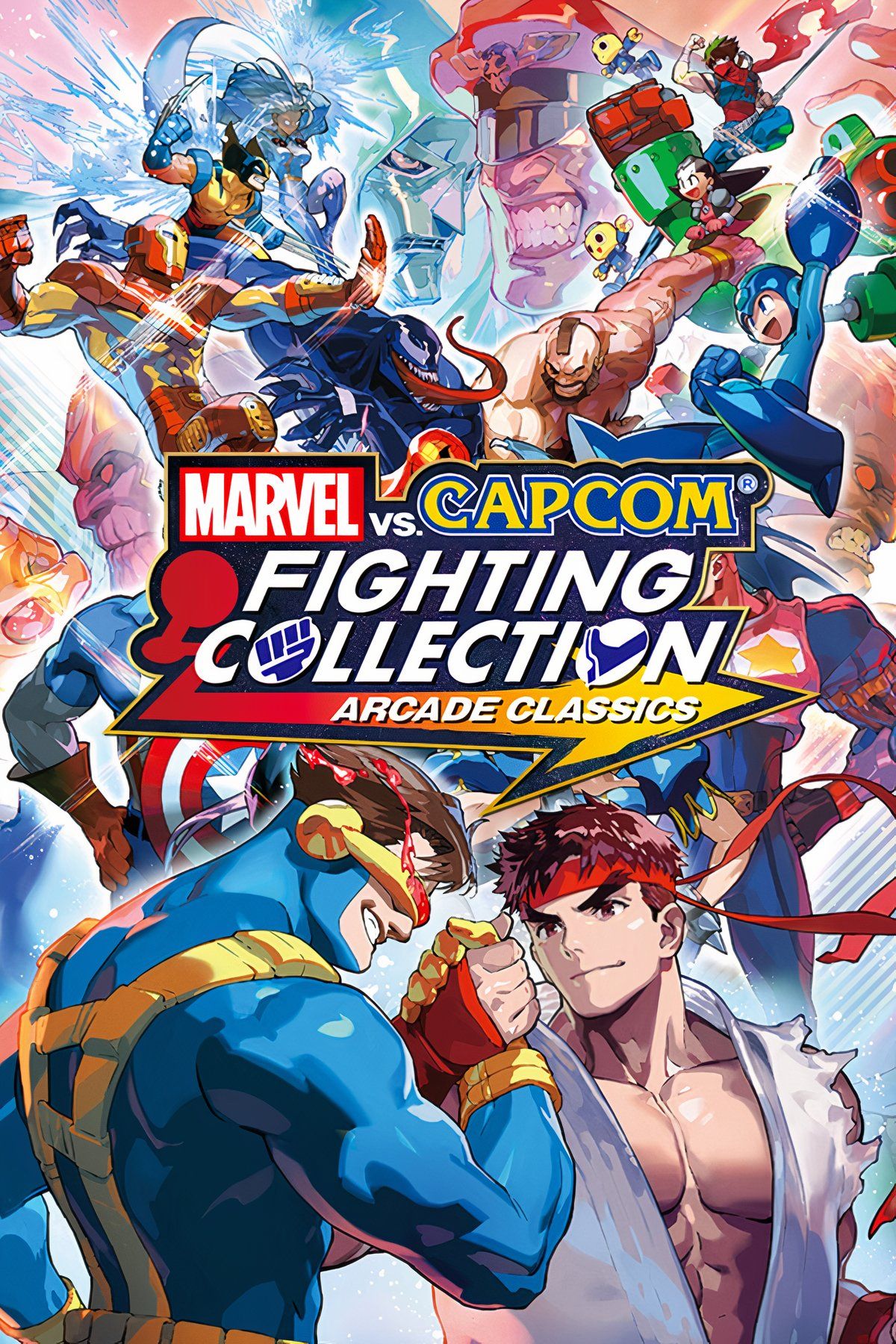
Marvel Vs. Capcom Fighting Collection: Arcade Classics
Systems

Released
September 12, 2024
ESRB
T For Teen // Blood, Drug Reference, Suggestive Themes, Use of Tobacco, Violence
Developer(s)
Capcom
Publisher(s)
Capcom
Engine
MT Framework
Multiplayer
Online Multiplayer