
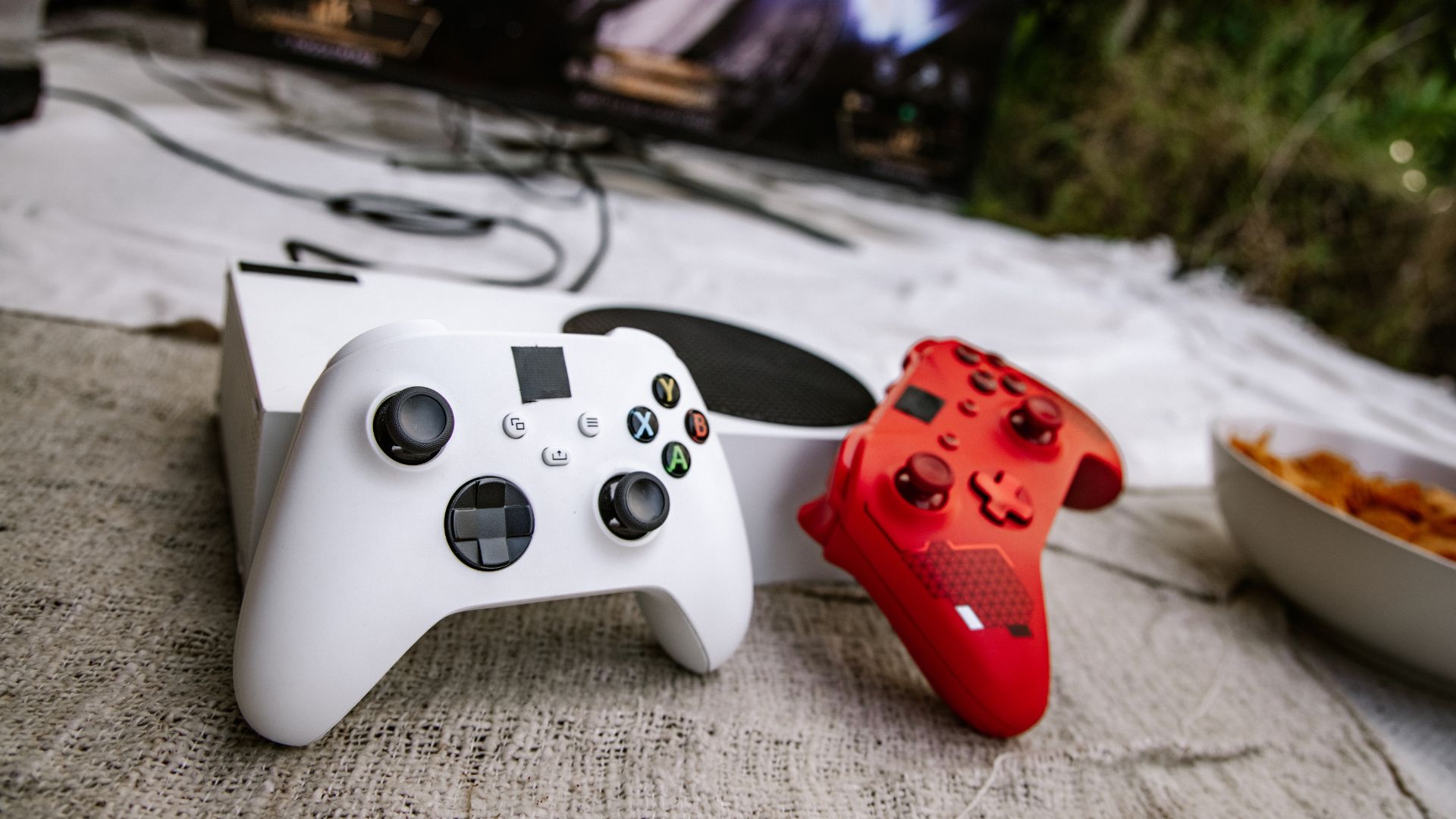
Microsoft has taken a step back from launching its much-anticipated Xbox handheld console, for now. While the idea of a portable Xbox device capable of playing Series X|S games on the go generated plenty of buzz, the company has decided to hit pause on development. The reason? Microsoft wants to get the software right first.
Instead of rushing out a new handheld just to compete with devices like Sony’s PlayStation Portal or Valve’s Steam Deck, Microsoft is choosing to focus on something bigger: making Windows 11 a better experience for gamers, especially on portable devices.
Currently, Windows 11 struggles when it comes to handheld gaming. It wasn’t originally designed with smaller screens or touch controls in mind, and that shows. Users of devices like the ROG Ally and Lenovo Legion Go have reported clunky UI scaling, inconsistent performance, and awkward navigation. Microsoft knows that launching a handheld now would mean dealing with these limitations, and that would likely lead to criticism.
EXCLUSIVE: Xbox’s first-party handheld has been side-lined (for now), as Microsoft prioritizes Windows 11 PC gaming handheld optimization.
The Xbox Series X successor is full steam ahead, though.
DETAILS: https://t.co/CvxaYEQgeE 👇— Jez (@JezCorden) May 29, 2025
So, rather than risking a flop, Microsoft is working behind the scenes to refine Windows 11, making it more responsive, intuitive, and enjoyable to use in portable form. The goal is to build a strong foundation before diving headfirst into the handheld market with a fully-fledged Xbox device.
But handheld gaming is still very much on Microsoft’s radar. In fact, a separate project known as Project Keenan is moving full steam ahead. Unlike the shelved Xbox handheld, Project Keenan isn’t a first-party console. It’s a collaborative effort with partners like Asus to build Windows-based handhelds that come with Xbox features baked in.
Think of it as Microsoft’s take on the Steam Deck: a portable gaming PC that runs Windows, but with full Game Pass support, Xbox Cloud Gaming, and tight integration with Microsoft’s gaming ecosystem. These devices won’t carry the Xbox name front and center, but they’ll offer a similar experience with official backing from Microsoft.
In the bigger picture, Microsoft is playing it smart. Rather than rushing out a product just to ride the handheld wave, it’s investing in the long-term success of portable gaming through better software and strategic partnerships. And when the time is right, the dream of a true Xbox handheld might finally become a reality—one that’s polished, powerful, and ready for prime time.
SEE ALSO: WhatsApp Makes Status Updates More Fun With New Features