
Been tinkering with my old Razer Blade Stealth 13 and got fed up with Razer’s heavy-handed power limits. Out of the box, it ran with a PL2 of 35W for about 20 seconds (Tau), then throttled to a PL1 of 25W, dropping clocks to around 3.1-3.2GHz at 78°C under load. Felt like they were infantilizing me, a whole adult.
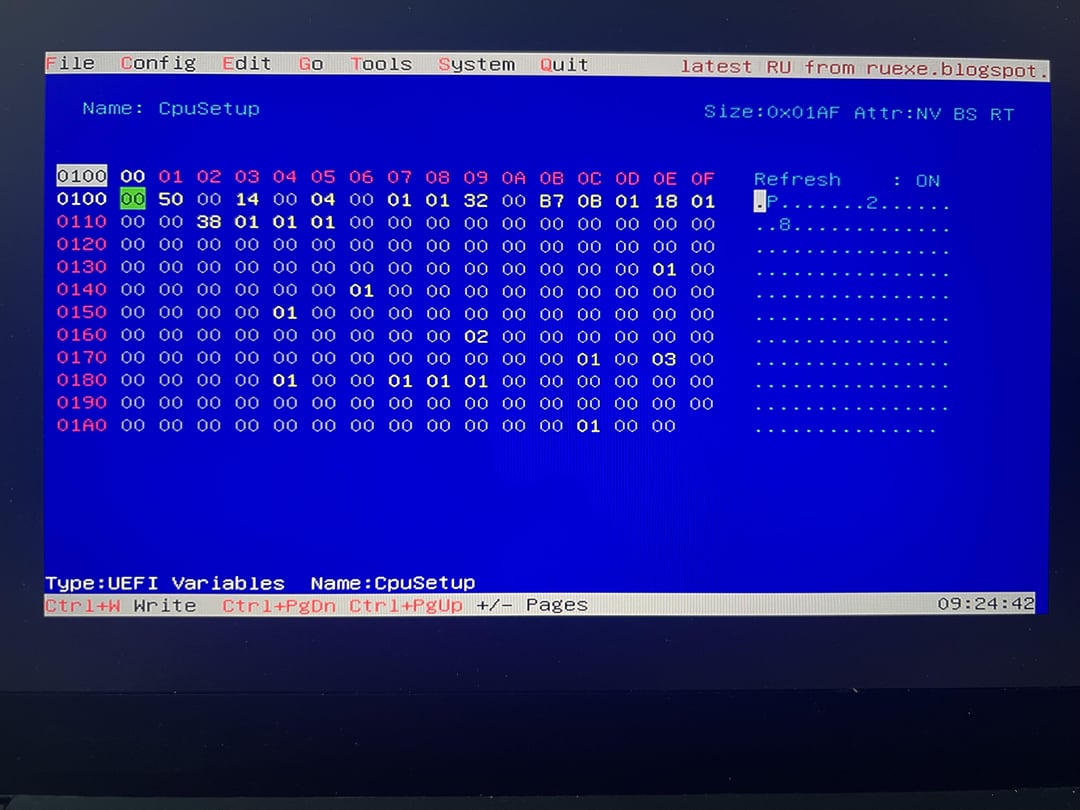
Tried flashing or modifying the BIOS through conventional means—total dead ends. Then I stumbled onto RU.EFI, a UEFI shell tool.
It’s freeware (password on the blog) but risky, so I backed up my BIOS first.
Using a UEFI dump, I located and adjusted the IMON Slope. This underreported CPU current, tricking the system to bypass the 25W PL1 limit and sustain higher power (~35-40W estimated).
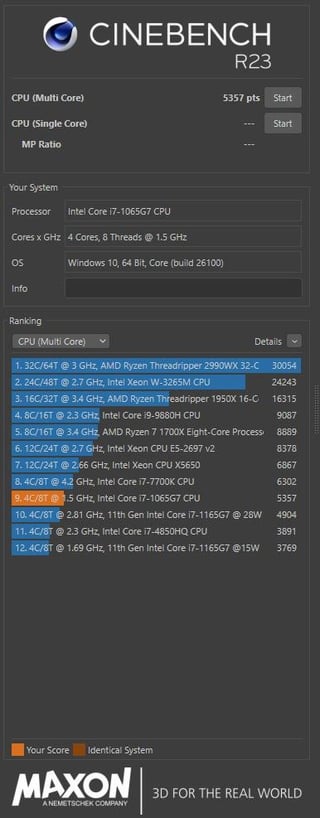
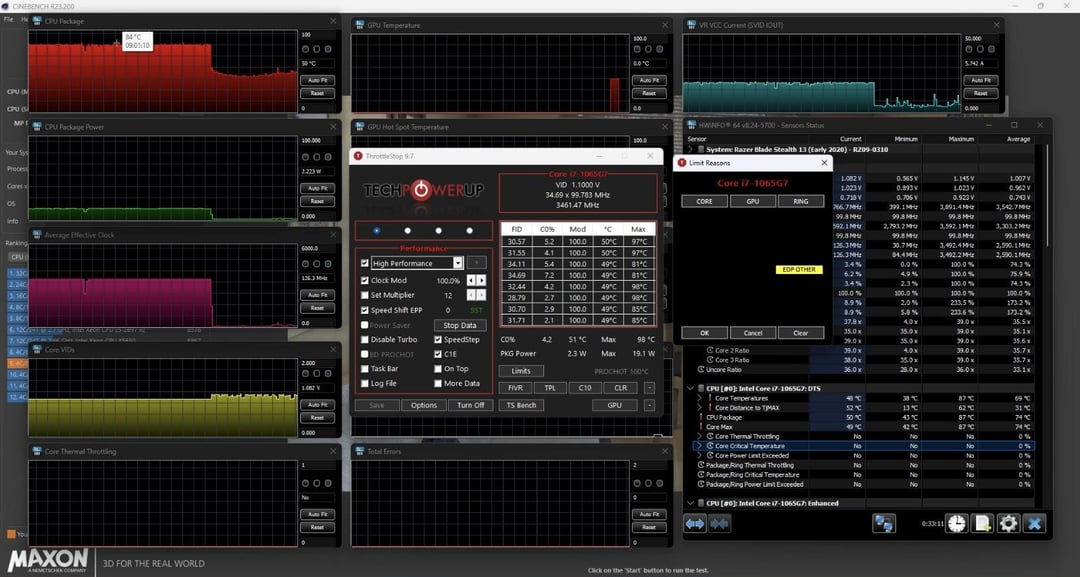
Initial results were promising—clocks hit 3.5GHz—but temps soared to 93°C with occasional throttling near 100°C. A -75mV undervolt via ThrottleStop tamed it to a solid 85°C, and my Cinebench R23 score jumped from 4156 to 5357, a 29% uplift!
HWInfo shows 15W due to the IMON tweak, but the performance and heat say it’s pulling 35-40W.
Interestingly, this 10th Gen i7-1065G7 even outscores an 11th Gen i7-1165G7 ~9%.
It’s been a wild ride. I get why manufacturers cap laptops—battery life, heat—but I paid for the full speedometer, and I’m using it, noise and all!
Wonder if a cooling pad will allow it to hit its advertised boost clocks. It’s already posted with PTM7950 and such.
Caveat Emptor: BIOS modding with RU.EFI can brick your system without a backup. Proceed at your own risk, and test stability thoroughly!