
Team Cherry
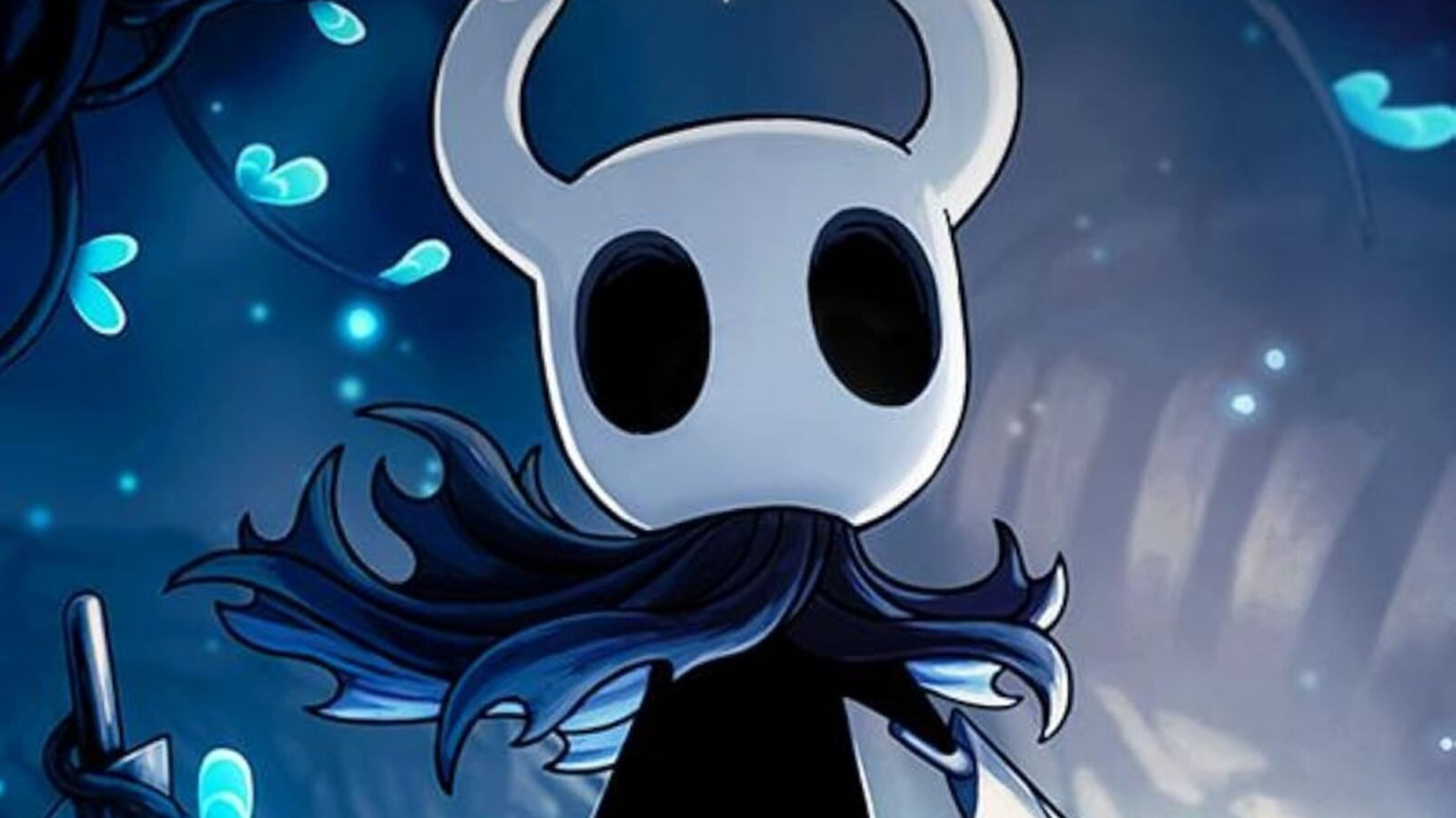
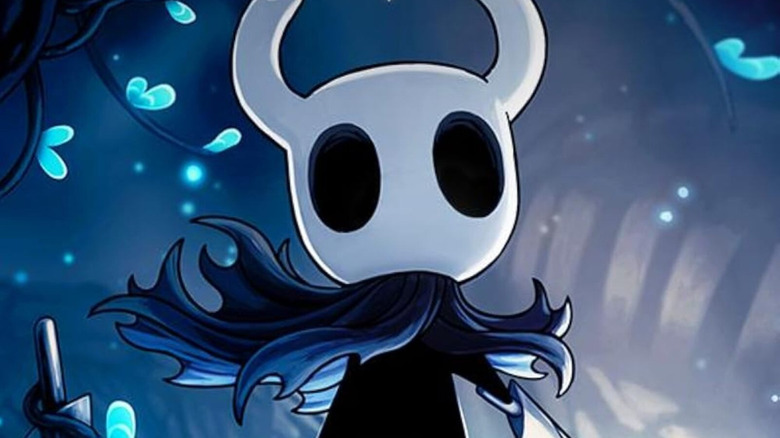
Among the most impressive Metroidvania games released within the past decade is “Hollow Knight,” an indie game developed and published by Team Cherry. The game has players control an insectoid swordsman as they venture into a cursed kingdom, battling formidable enemies along the way. The game eventually received a full sequel with “Hollow Knight: Silksong” in 2025, expanding the adventure considerably. Any Metroidvania fan should give “Hollow Knight” and its sequel a look, especially as “Silksong” ranked among the best games of 2025.
Of course, there are plenty of excellent Metroidvania titles around. They include both established games in the genre and newcomers that continue its legacy. Today, we’re focusing on games that are played from a side-scrolling perspective, like “Hollow Knight,” rather than their 3D Metroidvania counterparts. These games also revolve around exploration and intense combat, with prominent action RPG elements highlighted as players progress. These are the five best video games like “Hollow Knight,” each providing their own side-scrolling thrills.
Super Metroid
Nintendo
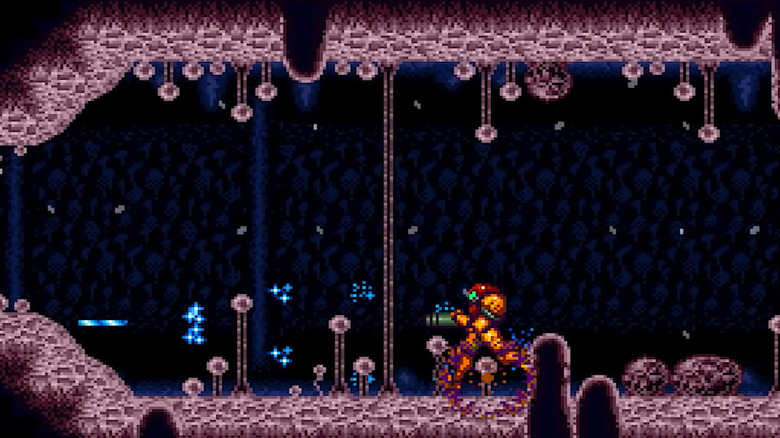
It’s impossible to write a list of Metroidvania recommendations without actually including a Metroid or Castlevania game. The best of the bunch is 1994’s “Super Metroid” for the Super Nintendo, picking up from the events of “Metroid II: Return of Samus.” After an infant Metroid is stolen by Space Pirates, bounty hunter Samus Aran pursues them to their hideout on the remote planet Zebes. Samus upgrades her gear as she progresses deeper into the planet, battling Metroids and other monsters before facing a resurrected Mother Brain.
“Super Metroid” is a sci-fi video game everyone should play at least once and still a major high point for the Metroid series overall. The game perfects the exploration and combat gameplay introduced by its predecessors while taking advantage of the Super Nintendo hardware. The game has an effectively creepy, sci-fi horror mood to it (enhanced by its clear homages to Ridley Scott’s sci-fi legendary sci-fi horror franchise, kicked off by “Alien”), elevated by the evocative sound design as players delve deeper into the setting. One of the best games on the Super Nintendo, “Super Metroid” is an enduring Nintendo title always worth revisiting.
Castlevania: Symphony of the Night
Konami
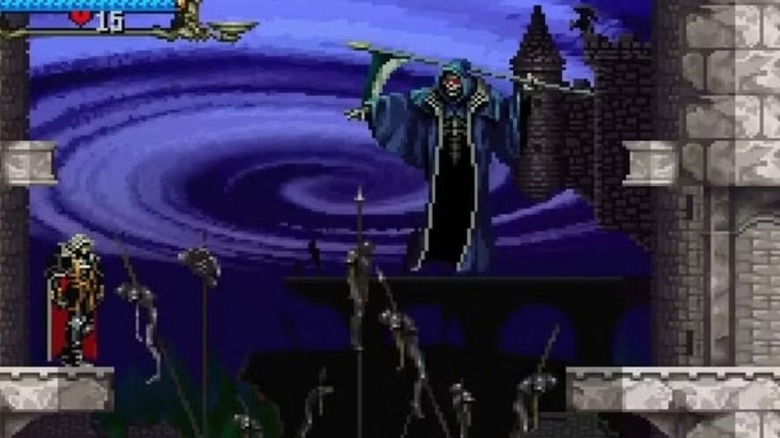
The other enduring Metroidvania game from the ’90s, 1997’s “Castlevania: Symphony of the Night” for the PlayStation is the arguable pinnacle of the Konami franchise. Within the entire “Castlevania” timeline, the story begins five years after the events of “Rondo of Blood.” Dracula’s dhampir son Alucard revives and explores his father’s castle after vampire hunter Richter Belmont goes missing. After completing the game, players can revisit it playing as either Richter and, in later versions, as Maria Renard, each with their own moves and attacks.
While “Castlevania” had experimented with nonlinear level progression before, “Symphony of the Night” cemented the franchise within the realm of Metroidvania experiences. The game also remains a marvel to look at nearly 30 years later, featuring detailed sprites and environments, along with a haunting original score. “Symphony of the Night” also ups the scale of the adventure when it completely inverts the initial map, effectively doubling the area for Alucard to explore. A video game from the ’90s that holds up today, “Castlevania: Symphony of the Night” stands as the best Metroidvania on the original PlayStation.
Dead Cells
Motion Twin
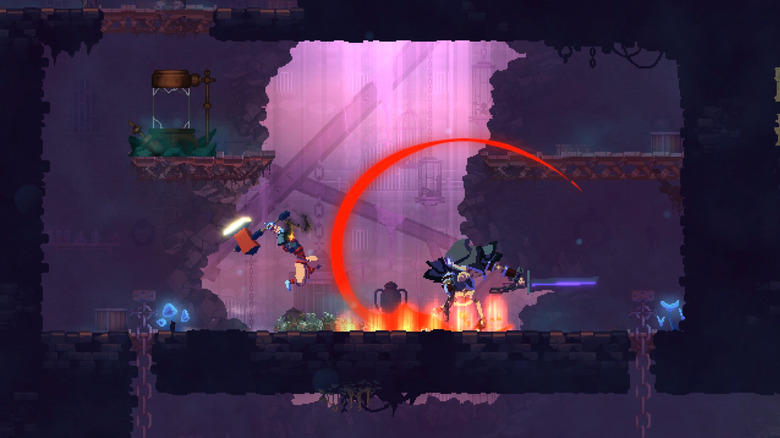
The advent of roguelike, or procedurally generated, games and level progression heavily inform the 2018 game “Dead Cells.” Developed and published by Motion Twin, the game’s protagonist is known as the Prisoner and is capable of possessing dead bodies to progress. Trapped on a remote island, the Prisoner sets out to assassinate the kingdom’s ruler believing it will quell a contagion ravaging the community. Upon completion of a playthrough, gamers are encouraged to revisit the game on higher difficulties, opening up more of the story and scope.
Through its procedurally generated levels, no two playthroughs of “Dead Cells” are exactly the same, inviting replayability. The game has been supported by several DLC expansions since its launch, including a “Castlevania” crossover in a clear nod to the title’s influences. Beyond just new aesthetics and content to explore, the “Dead Cells” DLC adds new features to the overall experience. Inviting players to sink countless hours into each playthrough to appreciate its full breadth, “Dead Cells” is a deceptively deep adventure.
Blasphemous
The Game Kitchen
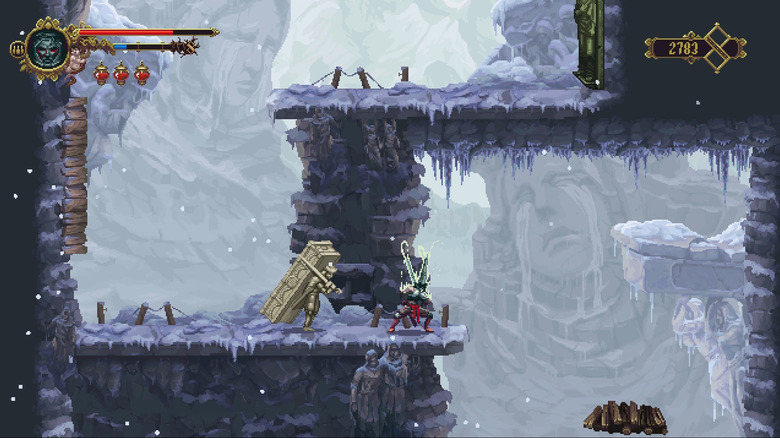
Bringing a more theological theme to the Metroidvania party is the 2019 game “Blasphemous,” developed by the Spanish studio The Game Kitchen. The game’s protagonist, known simply as the Penitent One, embarks on a pilgrimage to seek penance, traveling through the ominous kingdom of Cvstodia. Battling monsters and other enemies through this realm, the Penitent One builds up his fervor meter, fueling his magical abilities, as he slays opponents with his sword. As the Penitent One continues his journey, the nature of Cvstodia and this sanguine religion is explored and detailed.
“Blasphemous” is elevated by its atmospheric setting and detailed art design while also clearly inspired by the legacy of the16 and 32-bit Metroidvania games before it. The melee combat has been positioned to reflect the newer soulslike generation as well, encouraging timing and parrying to defeat formidable foes. The game has since received a sequel in 2023, with “Blasphemous 2” reveling in the glory of the grotesque. An overlooked indie title that deserves far more attention than it’s currently received, both “Blasphemous” games are worth checking out.
Prince of Persia: The Lost Crown
Ubisoft
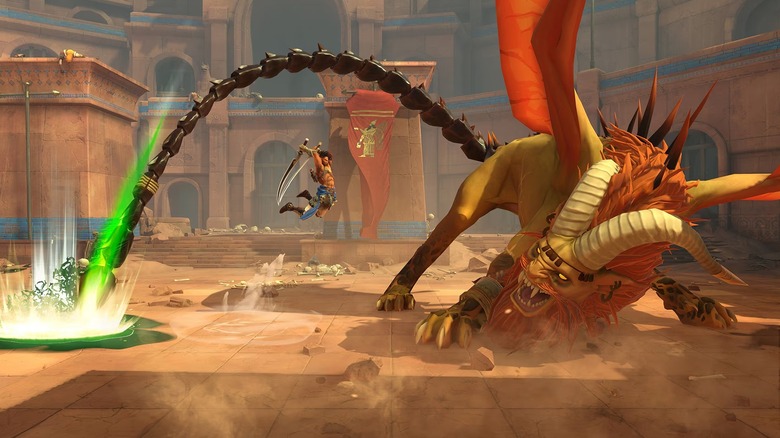
After making the transition to 3D gameplay in 1999, the “Prince of Persia” series returned to a side-scrolling perspective for “Prince of Persia: The Lost Crown.” Released in 2024, the game features a new protagonist in Sargon, a young warrior out on a quest to rescue a captive prince. In another twist compared to some of the series’ past titles, “The Lost Crown” is a true Metroidvania, revolving around a large interconnected map that encourages players to backtrack. This allows players to discover and complete various side quests, gain more gear and abilities, and undertake optional boss battles as part of the adventure.
“Prince of Persia: The Lost Crown” is a new jewel in the franchise, returning the Ubisoft property’s roots. The platforming is as acrobatic as it was in the 3D titles and the combat has a smooth refinement to it. But while the game provides a healthy amount of challenge, it does so in a way that’s accessible and lets players advance at their own pace. A reinvigoration of one of gaming’s most influential platformers, “Prince of Persia: The Lost Crown” is an absolute joy and return to form for the franchise.