
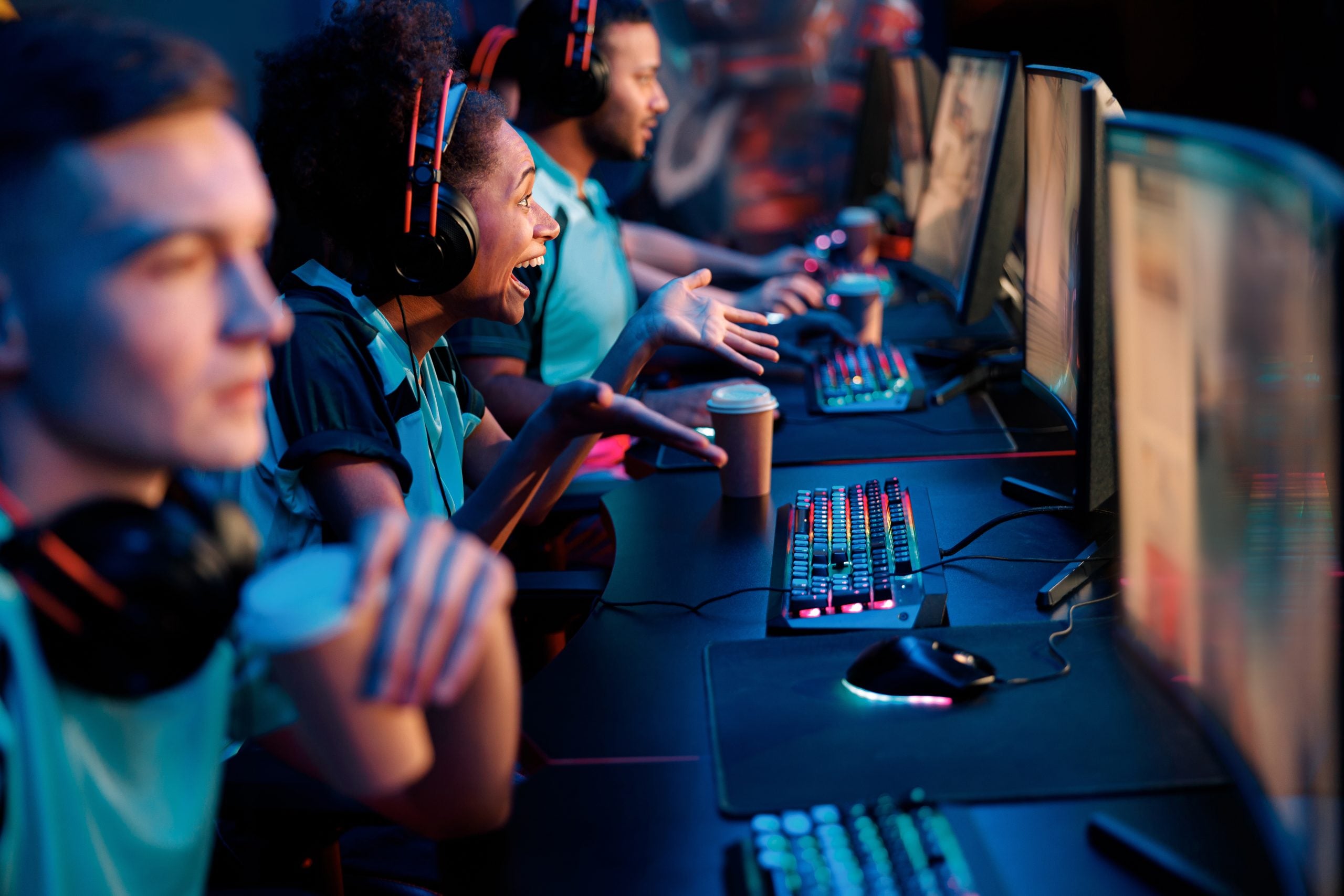
Gaming has always been about more than simply playing games. While new releases, graphics improvements, and hardware advancements often dominate headlines, one of the biggest shifts in the industry over the last decade has been the evolution of gaming communities themselves.
In 2026, gaming communities are larger, more connected, and more influential than ever before. From multiplayer clans and esports teams to content creators and gaming news websites, players now have countless ways to engage with their favorite games beyond simply logging in and playing.
The Rise of Community-Driven Gaming
Many modern games are designed with communities in mind. Titles such as Call of Duty, Fortnite, Minecraft, Destiny 2, and Grand Theft Auto Online thrive because players continue creating content, forming groups, and sharing experiences long after launch.
Developers have increasingly recognized that a strong community can significantly extend a game’s lifespan. Seasonal content, live events, social features, and player-generated content have become common tools for maintaining engagement.
Games that successfully build active communities often remain relevant for years, even when newer competitors enter the market.
The Importance of Clans and Online Identity
One aspect of gaming culture that continues to evolve is the importance of online identity. Gamers spend considerable time creating usernames, clan tags, and profiles that represent them across different platforms.
In competitive multiplayer games, a memorable gamertag or clan name can become part of a player’s reputation. Whether competing in ranked matches, participating in tournaments, or simply playing with friends, many gamers want names that stand out.
This has contributed to the popularity of tools that help players create unique gaming identities. Resources such as the GamerBolt Gamertag Generator have become useful for players seeking new gamertag ideas without relying on the same overused naming conventions seen across many online games.
As gaming becomes increasingly social, online identities often become just as important as in-game achievements.
Gaming News Has Become More Specialized
The gaming media landscape has also changed dramatically over the years. Rather than relying on a handful of major publications, gamers now consume news from a wide variety of sources that focus on specific platforms, genres, and communities.
PlayStation players, for example, often seek dedicated coverage focused solely on Sony’s ecosystem rather than broader gaming coverage. This has helped create demand for specialized publications that provide platform-specific updates, rumors, hardware discussions, and game announcements.
Websites such as PS6 News focus specifically on PlayStation-related developments, allowing readers to stay informed about upcoming hardware, exclusives, industry developments, and future console speculation.
As gaming audiences continue to diversify, niche publications are becoming increasingly important sources of information for dedicated fans.
The Growing Influence of Gaming Leaks
Another major development within gaming communities has been the growing influence of leaks and insider information.
Years ago, major announcements were typically reserved for events such as E3, Gamescom, or company press conferences. Today, information often emerges weeks or months before official announcements through insiders, data miners, industry sources, and leaked documents.
Some gamers enjoy following every rumor and leak, while others prefer to avoid potential spoilers. Regardless of individual preferences, leaks have become a significant part of modern gaming culture.
Dedicated websites now track and report on emerging rumors, industry speculation, and insider reports. Platforms such as Nerd Leaks cover gaming leaks, rumors, and early information that often generates discussion long before official confirmations are released.
Leaks can influence community expectations, shape online conversations, and even affect how publishers approach marketing campaigns.
Content Creation Continues to Expand
Streaming and video creation have become central components of modern gaming communities. Millions of players now create content through YouTube, Twitch, TikTok, and other platforms.
Unlike previous generations where gaming discussions were limited to forums and message boards, today’s players can instantly share gameplay clips, tutorials, reactions, and opinions with audiences around the world.
This has created opportunities for both professional creators and casual players. Some individuals build careers around gaming content, while others simply enjoy sharing experiences with friends and fellow enthusiasts.
The accessibility of content creation tools means that almost anyone can contribute to the broader gaming conversation.
Cross-Platform Gaming Is Bringing Players Together
Cross-platform functionality has also transformed how communities interact.
Historically, players were often separated by hardware choice. PlayStation users played with PlayStation users, Xbox users played with Xbox users, and PC players remained in their own ecosystems.
Today, many popular games support cross-platform matchmaking, allowing friends to play together regardless of hardware.
This has reduced barriers between communities and encouraged larger, more active player bases. Developers benefit from increased engagement, while players enjoy greater flexibility when choosing how and where they play.
As cross-platform support becomes more common, gaming communities are likely to become even more interconnected.
Looking Ahead
The future of gaming communities appears incredibly strong. While technology will continue advancing through improved hardware, artificial intelligence, cloud gaming, and virtual reality, the social aspect of gaming remains one of the industry’s greatest strengths.
Players are no longer simply consumers of games. They create content, influence discussions, uncover information, organize communities, and help shape the direction of the industry itself.
Whether through competitive clans, gaming news platforms, leak-focused websites, content creation channels, or online forums, communities have become one of the most important pillars of modern gaming.
As the industry continues evolving, the role of these communities will likely become even more influential in determining which games, platforms, and trends capture the attention of players worldwide.