
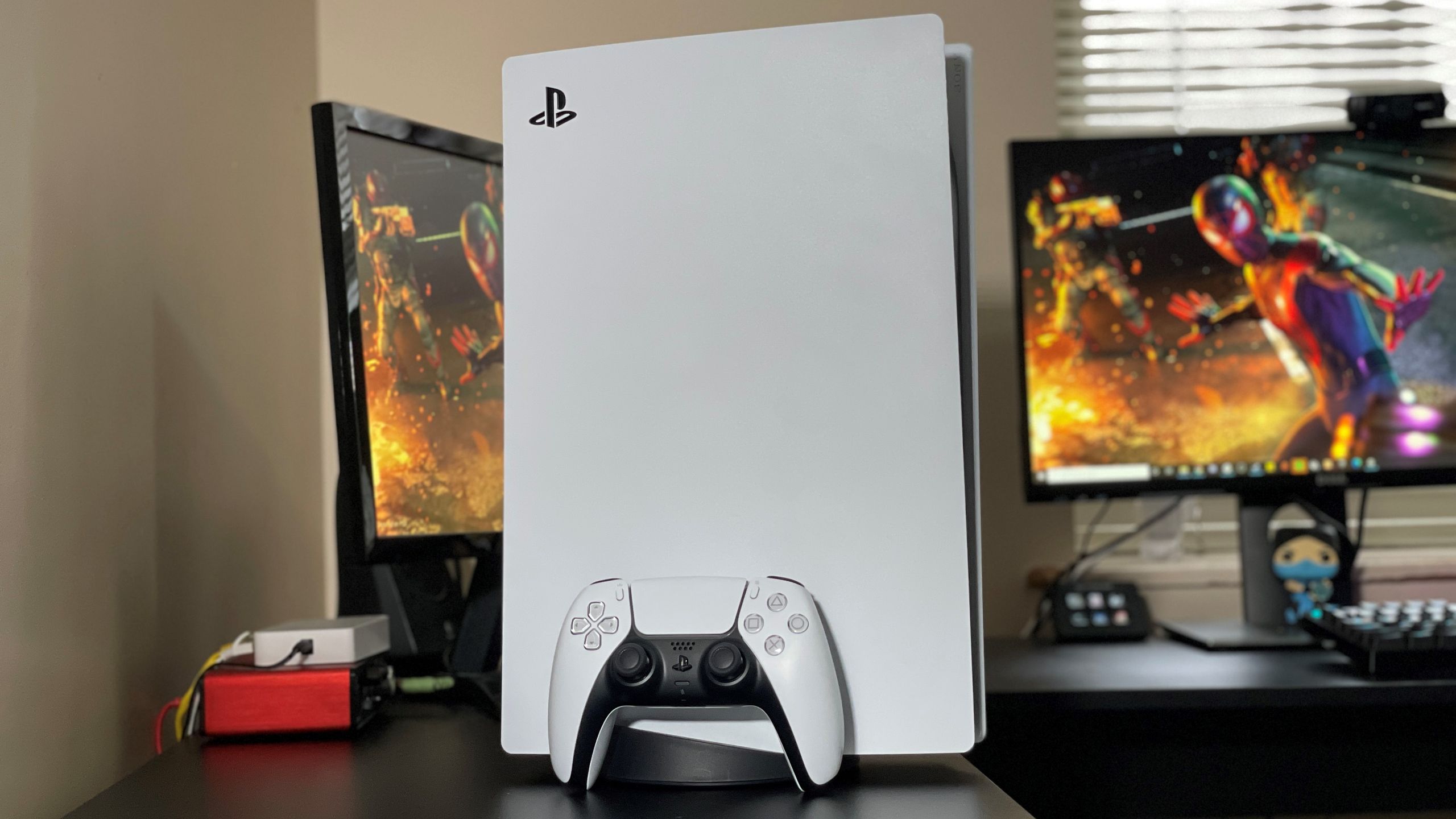
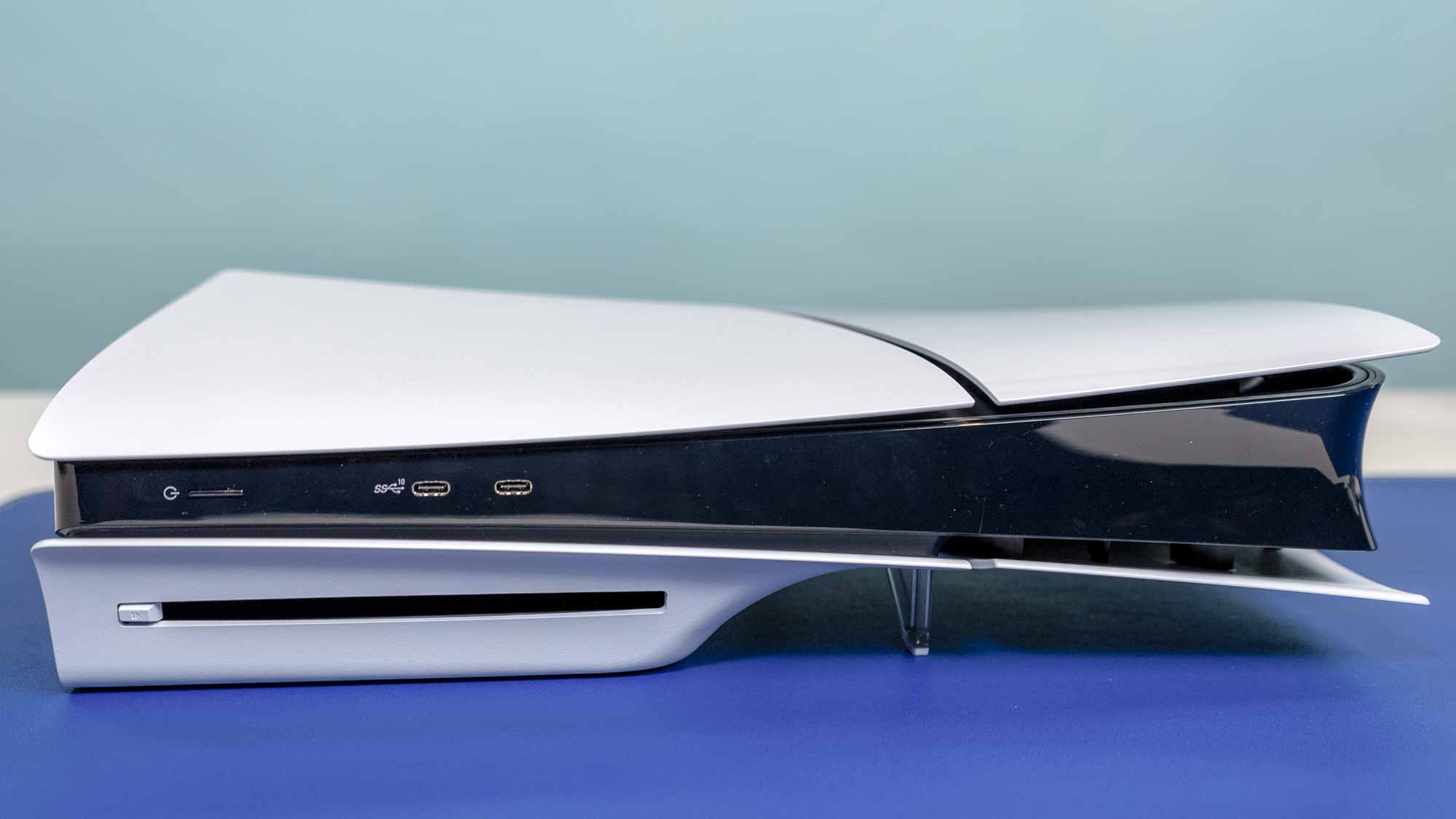
In case you didn’t know, PlayStation is officially killing physical discs. The company says this is a natural step that aligns with how most players buy and play games. Considering how 85% of PlayStation games (via PlayStation’s financials) are bought digitally, this move isn’t all that surprising — though that fact doesn’t ease the concern of many who see this as a wrong move.
Tom’s Guide reached out to Stop Killing Games, the campaign pushing for legal protections so games don’t disappear once publishers stop supporting them, to get their take on what this announcement means for PlayStation players and gamers as a whole.
The group’s responses were measured on some points but clear on others. While they didn’t outright call Sony’s consumer preference argument false, they argued that the bigger issue isn’t really about discs at all. Here are some highlights from their answers to our questions.
Latest Videos From The disc isn’t the problem
(Image credit: Tom’s Guide)
Mike from Stop Killing Games, who answered our questions, didn’t argue about whether most people preferred digital to physical. Instead, they challenged the notion that removing physical discs is the next logical step with no downsides. In their estimation, the conversation has become too focused on the format itself rather than on what players lose when that format disappears.
“The lack of the disc is just a symptom and not the core problem in itself,” Mike told us. They see the shift away from physical media as a surface-level change that masks a deeper issue: the gradual erosion of player ownership and long-term access to games.
You may like
“What customers need [is] assurances their games won’t be taken from them after purchase.”
Mike, Stop Killing Games
Having a physical disc gives players something close to real ownership. Even if a publisher decided to shut down servers or stop supporting a game, you still (in most cases) had a working copy. This hasn’t been a thing on PC for a long time, and it appears the same will happen on consoles. Stop Killing Games thinks that’s why Sony’s response is wrong. Players are losing one of the last ways to keep a game they bought.
“What customers need [is] assurances their games won’t be taken from them after purchase, which large publishers sometimes have a very poor track record on,” Mike said.
Second-hand sales and publisher incentives
(Image credit: Shutterstock)
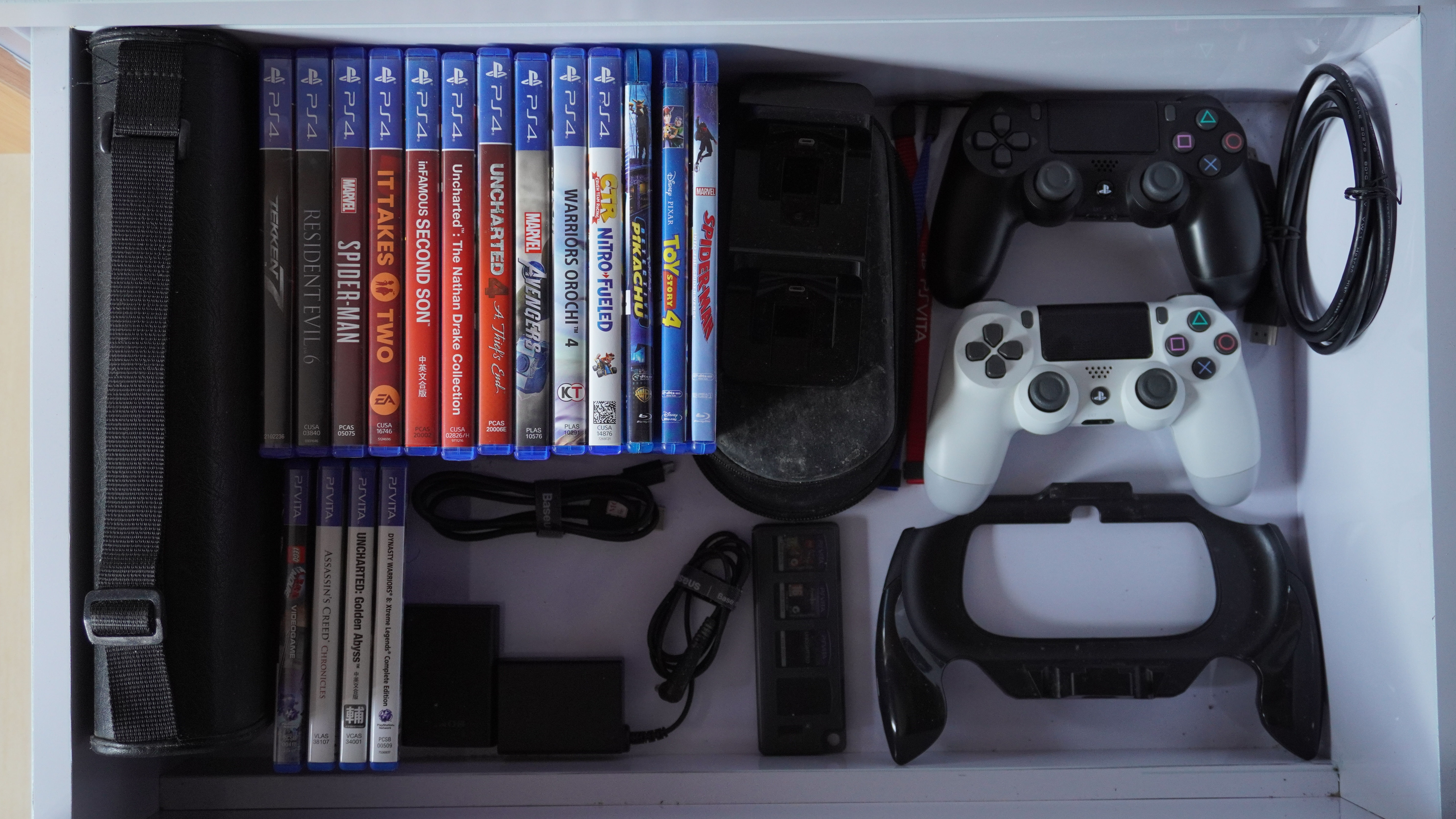
We also asked about the impact on the used-games market and on retail competition. Their answer was more nuanced than you might expect from an anti-DRM campaign.
“I actually am sympathetic to publishers wanting to avoid secondhand sales, as in my opinion, that has led to lower prices overall (think of all the large sale events or digital game giveaways we see nowadays), but that also assumes competition in the market,” said the SKG representative.
They also pointed out that copyrighted works already come with certain legal monopolies, and they’re wary of companies expanding that control through technical means without going through the proper legal process in different countries.
What to read next
Additionally, they noted that recent examples, such as price increases following major acquisitions, show how quickly consumer-friendly promises can shift once competition decreases.
A warning from the past
(Image credit: Shutterstock)
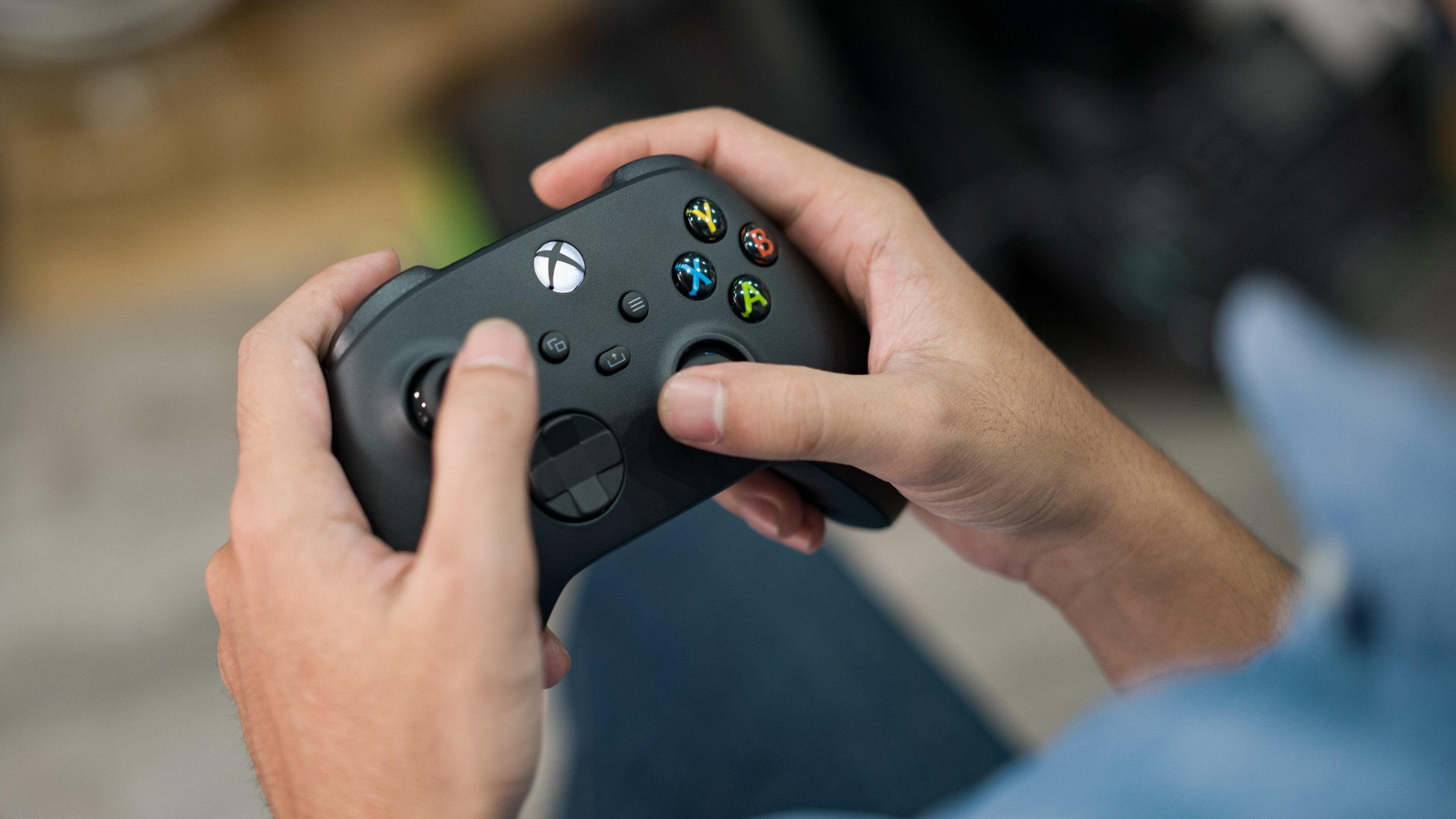
The all-digital future that many dreaded is effectively here, but the idea isn’t completely new. To that end, SKG pointed to Microsoft’s original Xbox One reveal as a cautionary example. Even though Microsoft walked back many of the most controversial features after receiving backlash, SKG sees the 2013 presentation as a sign of where parts of the industry still want to go.
“I felt like the original Xbox One reveal was a sign of where the industry would like to take things”
Mike, Stop Killing Games
“Not to pick on Microsoft in particular, but I felt like the original Xbox One reveal was a sign of where the industry would like to take things,” said the SKG representative.
Some of Microsoft’s original plans included: mandatory daily online checks, or your games would stop working, unclear rules around used games, and no guarantees that your library would survive once support for the console ended. Gamers decried all of these, but we’ve since seen them effectively become standard for all game consoles. Not having physical discs will just make it easier for companies to enact such measures.
Stop Killing Games added that they don’t believe digital games are inherently bad. When handled responsibly, digital-only games have real benefits, such as easier ways to back up purchases by copying games to an external hard drive. The danger lies when publishers treat digital ownership as something temporary or revocable.
When “physical” doesn’t mean physical
(Image credit: Shutterstock / Rockstar / Tom’s Guide)
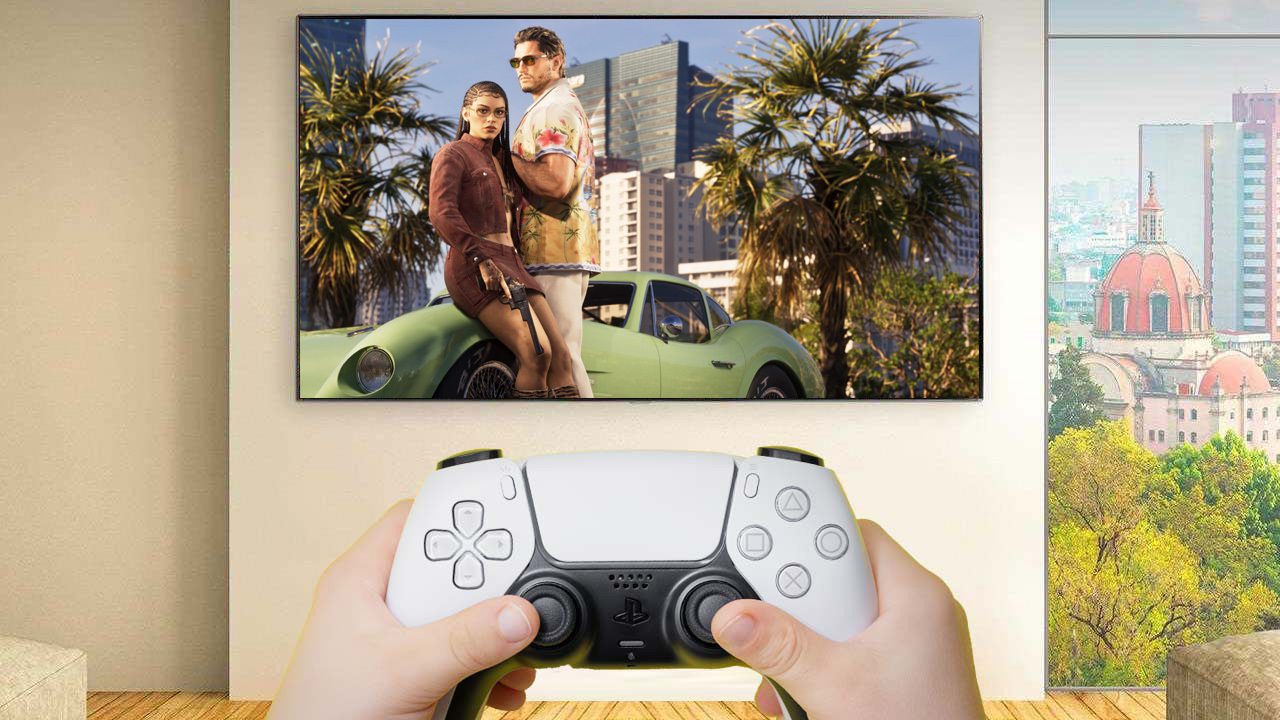
One area where Stop Killing Games was more direct was the growing trend of retailers selling “physical editions” that contain nothing but a download code inside a box—such as GTA 6 not launching with a game disc. They described this as misleading to consumers.
“The average person expects something marketed as a physical copy of something to be physical.”
Mike, Stop Killing Games
“I think this does create a sense of deception among consumers, since regardless of one’s opinion on digital v. physical games, the average person expects something marketed as a physical copy of something to be physical.”
This practice also raises questions about what ownership even means. If the only thing inside the box is a code that can be revoked or tied to an account that might one day disappear, then the idea of “owning” a physical copy starts to feel hollow. They see this as part of the same broader pattern where the appearance of ownership is preserved while the reality of it quietly erodes.
To be clear, Sony did not say anything about selling “physical” copies of games in the manner that GTA 6 will, so we can’t say the company will go down that route. Still, it was interesting getting SKG’s take on this, since it’s a related topic.
Outlook
While we likely can’t stop console manufacturers from reversing course, we can at least ask for assurances that our digital purchases actually belong to us. This is why Stop Killing Games’ efforts are so important, especially now.
We’ll see how things play out, but for now, it might be best to brace for what’s to come.

Follow Tom’s Guide on Google News and add us as a preferred source to get our up-to-date news, analysis, and reviews in your feeds.
More from Tom’s Guide