
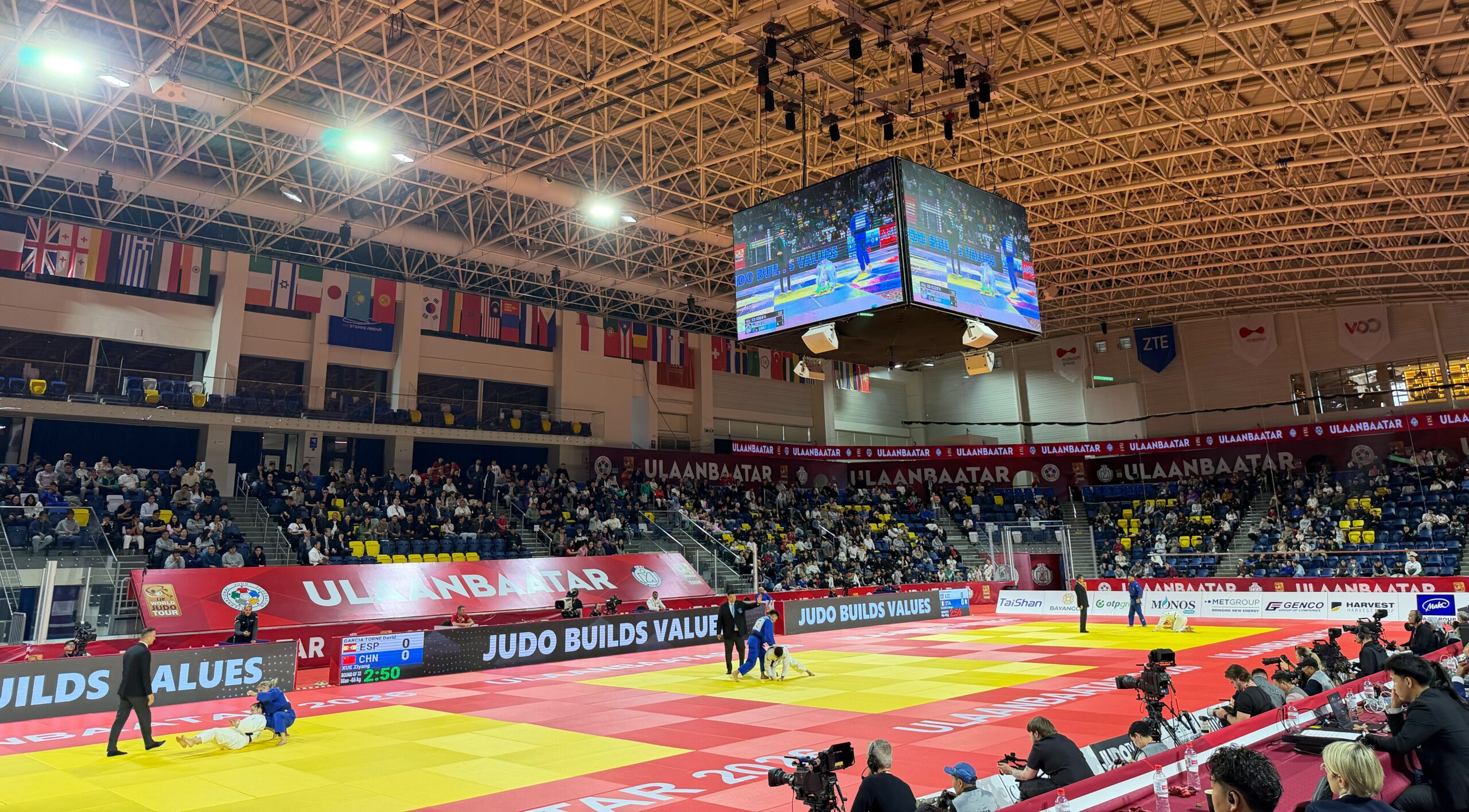
For several weeks now, the global judo community has had one thought in mind: the start of the Olympic qualification period for the Los Angeles 2028 Olympic Games, beginning at the Ulaanbaatar Grand Slam 2026.
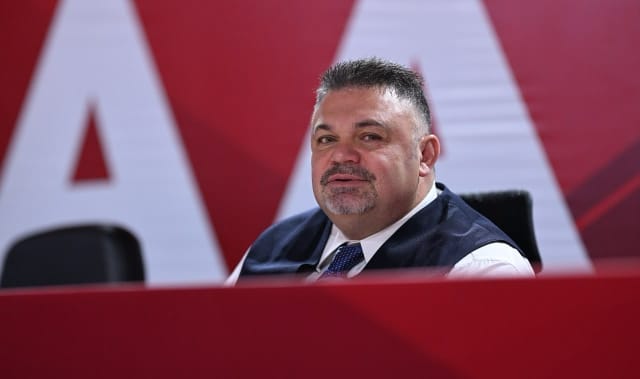
Florin Daniel Lascau.
For months, athletes have been preparing through participation on the IJF World Judo Tour. Those events were never meaningless, but from this moment onwards, every victory, every point and every strategic decision will carry a different weight on the journey towards the greatest sporting stage of all.
Few people are better placed to analyse this decisive period than IJF Education Director Florin Daniel Lascau. A world champion in 1991, a former elite coach and a IJF Head Referee Director, Mr Lascau has experienced the Olympic pathway from every possible angle.
“The next two years will be divided, naturally, into two different phases,” explains Lascau. “During the first year, we will see a large number of judoka entering qualification events, as we are seeing here in Mongolia. Last year, Ulaanbaatar welcomed 236 athletes from 28 countries. In 2026, those numbers have almost doubled, with 454 judoka representing 58 national delegations.
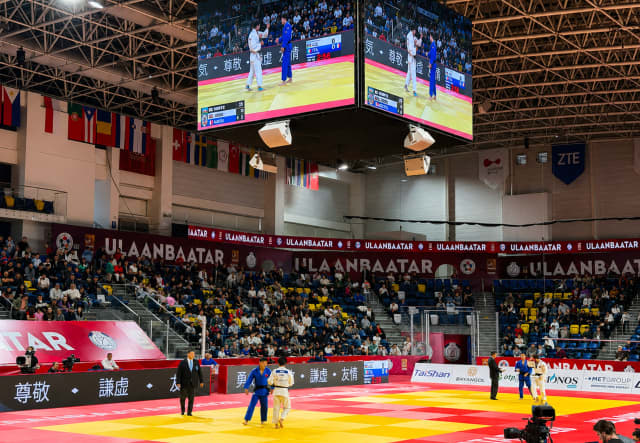
National federations want to give opportunities to as many athletes as possible before gradually refining their choices. We see a wide variety of profiles, levels of experience and generations competing together. It is too early to know who will truly have the potential to win an Olympic medal. This period is about trying, testing and understanding the evolution of world judo.”
According to Lascau, the second year of qualification will be more selective. “That is when the focus will shift towards identifying who will go to Los Angeles and who has the potential to reach the Olympic podium. The number of competitors may decrease, but the overall level will become even higher.
The priorities of coaches and athletes will also change. Some judoka will target the world top eight to obtain a more favourable draw, although nothing is ever guaranteed at the Olympic Games. Others will focus on securing their qualification, while for some athletes a single point could determine whether they achieve the dream of participating in the Games.”
The qualification journey also includes another crucial dimension: national selection. “In countries such as Japan, Georgia or France, several athletes may earn qualification positions in the same category. The final decision then belongs to the national federation. Some federations rely on the World Ranking List mainly, while others take into consideration additional elements such as experience, physical condition, technical match-ups and the potential to win an Olympic medal. The objective is always to send the athlete who offers the strongest chance of success. Countries such as Canada have also experienced difficult decisions when several world-class judoka competed in the same weight category.”
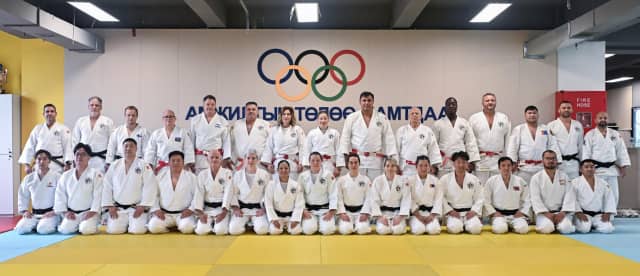
IJF Refereeing seminar, Ulaanbaatar, Mongolia.
Lascau also underlines the transparency and fairness of the qualification system. “It is important to remember that the system is clear, open and known by everyone. It is recognised by the international sporting community as fair and transparent. Referees, for example, play absolutely no role in qualification. Their mission is to guarantee fair competition and ensure that every athlete has the same opportunity on the tatami.”
In less than two years, the final list of qualified and selected athletes will be confirmed. Among those names will be the future Olympic champions. That list will represent the true diversity of judo. It will include experienced champions, emerging talent and perhaps athletes who are not considered medal contenders just yet but who will surprise the world. That is the beauty of sport. That is the beauty of judo.
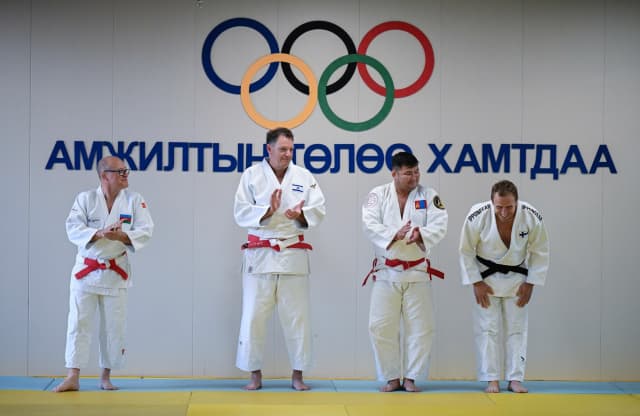
The first chapter of the Olympic story has begun.
Here in Mongolia, the first chapter of the Olympic story has begun. Every contest, every decision and every lesson learned will now be viewed through the lens of Los Angeles 2028. Among the hundreds of judoka competing in Ulaanbaatar are some of the future heroes of international sport.