
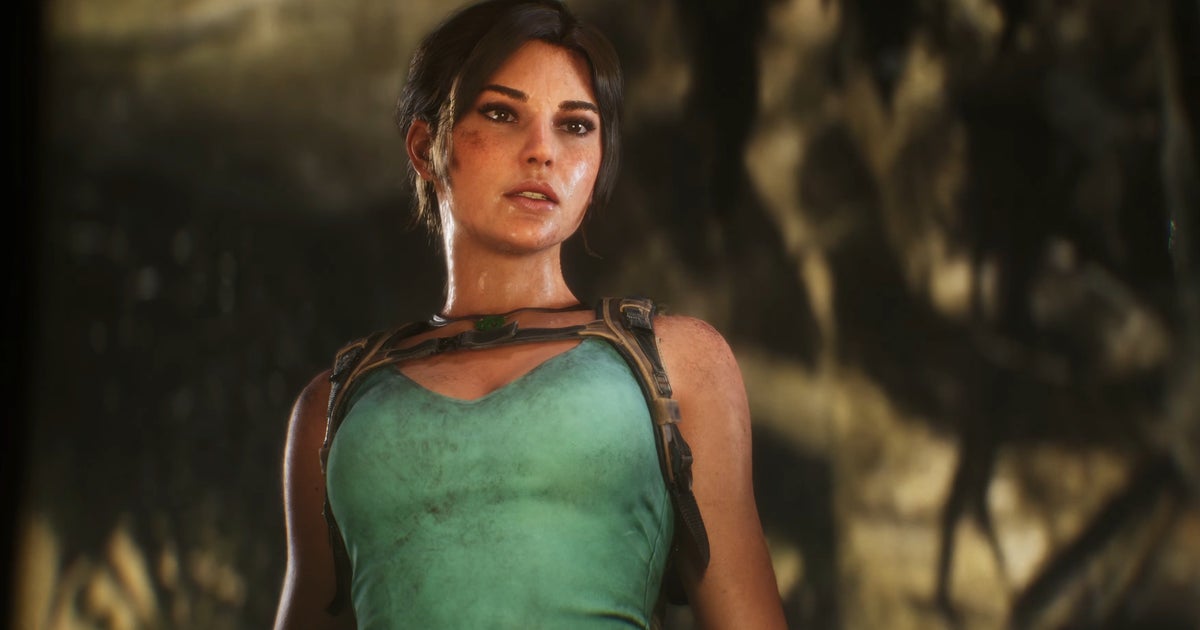
Crystal Dynamics has given more detail to GamesIndustry.biz on how it’s using AI in the development of Tomb Raider: Legacy of Atlantis, following online backlash to its disclosure in the Steam page for the title.
The studio previously told Eurogamer that it used AI tools “to help our teams iterate on ideas faster and more efficiently, while ensuring that all finished content in the final product is human-crafted,” with an ultimate goal being “to empower the creativity and flexibility of our developers to deliver the highest-quality experiences for players everywhere.”
Speaking at Summer Game Fest in Los Angeles, where the game is playable for attendees, experience director Jeff Adams tells GamesIndustry.biz that an example of this would be early-stage level development, where the studio would use generative AI to test whether objects were worth spending development time on.
“We might have the idea for an in-game object and we’re not sure whether we want to spend the dev time to build it,” he says. “We can use a generative AI tool to visualize it in the world and if it works, we’ll then move it to our traditional production pipeline.”
“Our team will concept it, they will build it, making sure that all the finished content in the final game is human-created. We just want to make it as easy as possible for our devs to be able to make high quality experiences because that’s what the fans want.”
The use of generative AI remains a hot topic, attracting significant backlash from player communities, while its use continues in publishing and development.
The annual GDC survey showed that 36% of game developers were using AI. A survey carried out by GamesIndustry.biz earlier this year suggested that an overwhelming majority of developers wanted robust AI disclosure on storefronts, even if it was only used for concepting purposes.