
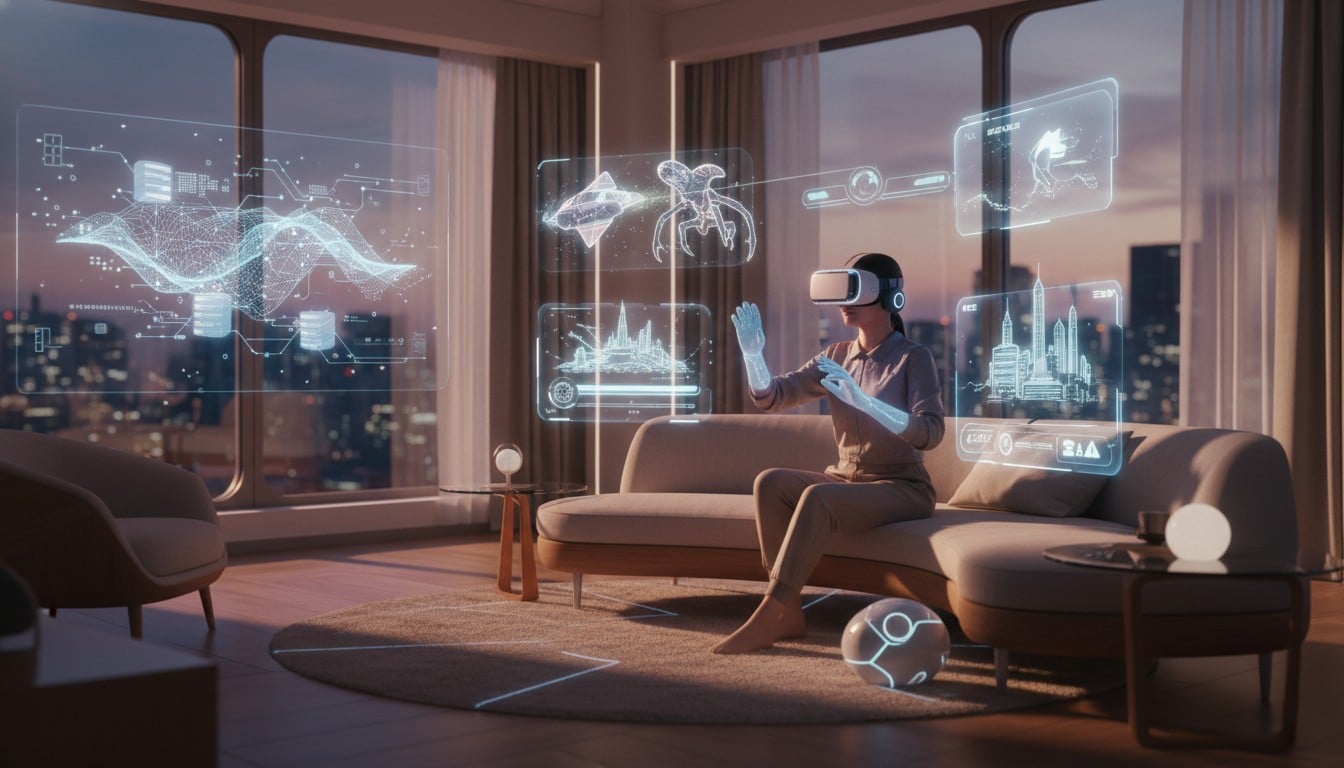
Gaming has shifted from something tied to specific devices into something far more flexible and responsive. You can now jump into a game, move seamlessly between devices, and experience richer worlds without needing any gaming equipment. The rapid pace of innovation has transformed gaming from a stationary hobby into an on-demand experience that fits around your lifestyle. These innovations are changing gaming by giving you smoother access, more realistic interaction, and new ways to engage with games that fit more naturally into everyday use.
Immersive Technologies: VR, AR and Mixed Reality
Virtual reality and augmented reality have changed how you experience games by placing you inside or alongside digital environments. In VR, you move through fully interactive 3D spaces, while AR overlays game elements onto your real surroundings.
As hardware becomes lighter and more affordable, more players try these formats without needing specialist setups. Headsets have become more comfortable, and inside-out tracking eliminates the need for external sensors, making setup far simpler than it was just a few years ago. Developers now build experiences that rely on natural gestures, such as reaching, turning or stepping, which makes gameplay feel more direct and intuitive. This shift creates a stronger sense of presence, where you feel closer to the action rather than just observing it.
Cloud Gaming and the Shift Away from Hardware
Cloud gaming removes the need for powerful consoles or high-end PCs by streaming games over the internet. Faster broadband and 5G networks support this change by reducing delays and keeping gameplay stable. According to a 2025 survey by the Boston Consulting Group, 60% of players have now tried cloud gaming, with 80% of those reporting a positive experience. Industry projections suggest global cloud gaming revenue could grow from around $3.3 billion in 2025 to over $120 billion by 2035.
You can start a game almost instantly without downloads or installations. You also switch between devices more easily, continuing progress without losing your place. This approach reduces reliance on expensive hardware and opens access to more people, making high-quality gaming more inclusive than ever before.
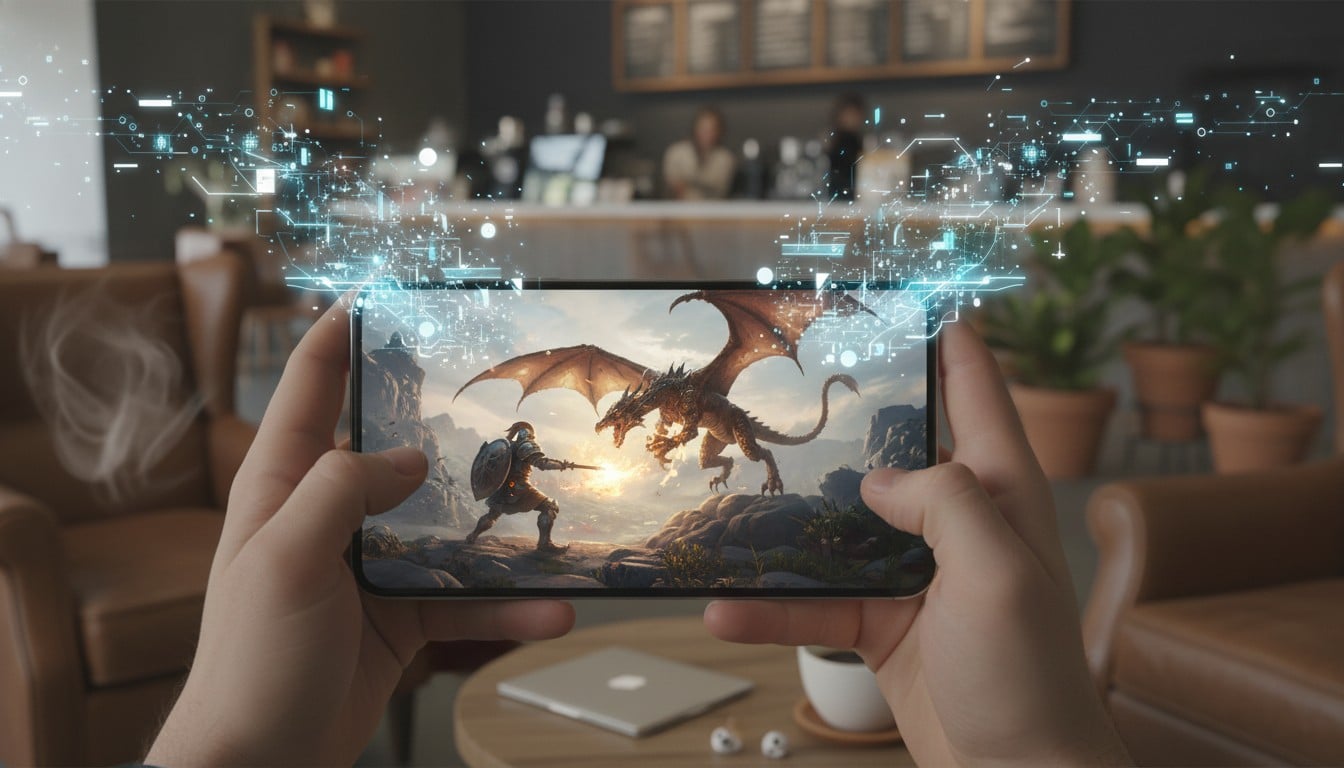 Cloud gaming lets players enjoy high-end titles on everyday devices without the need for expensive consoles or gaming PCs. (Credit: Intelligent Living)
The Rise of Mobile, Cross-Platform and Digital Ecosystems
Mobile gaming has expanded access by putting full experiences on devices you already carry. Cross-platform play lets you connect the same account across consoles, phones and PCs, so your progress follows you. The mobile gaming market was valued at nearly $150 billion in 2026, with Android devices capturing over 70% of that revenue.
Digital ecosystems now bring different game types together in one place. Traditional formats like bingo have moved successfully into mobile and online spaces, showing how established games adapt to new technology while keeping their familiar structure.
Subscription services also shape how you access games, giving you a wide range of titles through one platform. This encourages you to explore different styles without committing to individual purchases, much like streaming services have changed how people consume films and music.
 Artificial intelligence enables non-player characters to respond dynamically to each player’s unique style and decisions. (Credit: Intelligent Living)
Artificial Intelligence and Smarter Game Design
Artificial intelligence now shapes how games respond to you. Non-player characters behave more realistically, adjusting their actions based on how you play rather than following fixed patterns. Machine learning algorithms enable NPCs to learn from player behavior over time, creating encounters that feel genuinely unpredictable and lifelike.
AI also helps personalize gameplay by adjusting difficulty or pacing to match your style. This keeps games engaging without feeling too easy or too demanding. Developers use data from player behavior to refine design and improve balance, which helps create smoother experiences over time. The global AI in gaming market is projected to grow from $1.9 billion in 2022 to over $8 billion by 2028, reflecting how central intelligent systems have become to modern game development.
As these systems develop further, games continue to adapt more closely to how you play, making each experience feel more responsive and tailored. From smarter opponents to dynamically generated worlds, AI is quietly reshaping what games can be.
The fusion of these technologies — immersive hardware, cloud streaming, cross-platform ecosystems, and artificial intelligence — is creating a gaming landscape that would have been hard to imagine a decade ago. As explored in our look at how new technology is changing the gaming industry, these innovations continue to reshape not just how games are played, but who gets to play them.