
I absolutely adore trawling through the games of yesteryear to see if I can find a hidden gem practically no one talks about today, beyond vague recollections with friends. Thanks to my penchant for internet sleuthing, I’ve been fortunate enough to stumble across numerous phenomenal experiences that I would have otherwise missed out on. This includes the wonderfully cheerful Magic Pengel, a game developed in partnership with one of the greatest animation studios in all of history, Studio Ghibli. It also includes games like Larian Studio’s Divinity 2: Ego Draconis, the phenomenal shooter Section 8: Prejudice, and, naturally, the dragon-themed topic of today’s conversation.
Of all the many criminally underrated games I’ve hunted down and thoroughly enjoyed, this action-adventure title, published by Sony Interactive Entertainment and developed by Factor 5, has to be one of the most underappreciated and overlooked. It is packed full of the kind of spectacle only video games can deliver, the clunky controller-driven innovation that we’re sorely lacking today, and the wild ideas that were only possible in the mid-2000s. The game in question is Lair, a title all about burning swathes of soldiers on top of a dragon while epic wars are waged below that absolutely deserves far more attention than it has ever gotten.
Lair Is A Misunderstood PS3 Classic
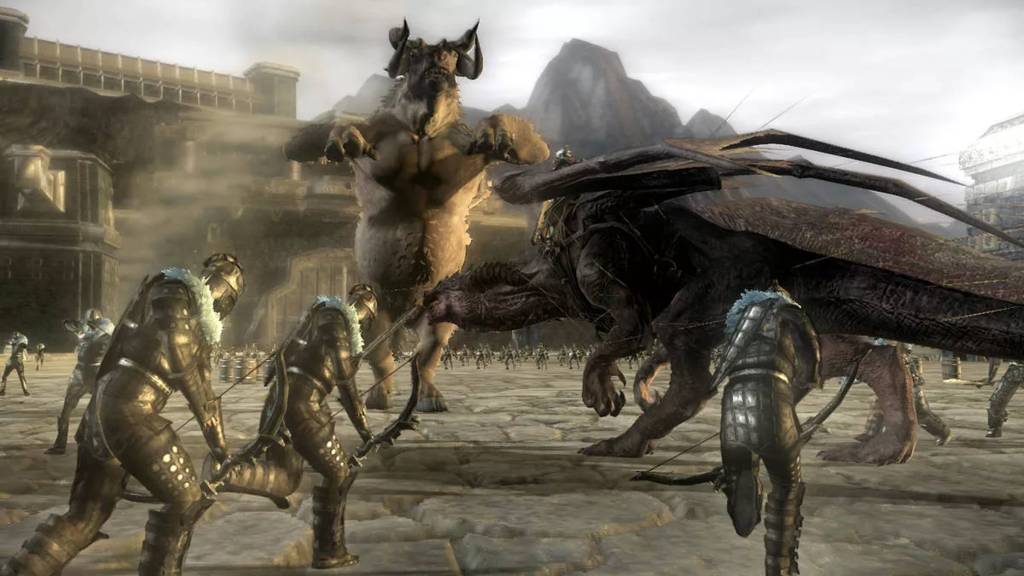 Image Courtesy of Factor 5
Lair has become one of those forgotten video games one would expect to see playing on a TV in the background of shows like Breaking Bad and occasionally reminisce about if they were fortunate enough to play it when it first came out. However, I firmly maintain that it had all the components to become a true classic, a title fondly remembered as one of gaming’s greats, were it not held back by the baffling decision to launch with exclusively SixAxis motion controls. The singular decision has all but tarnished Lair’s reputation, even though a few months after launch, Factor 5 finally implemented a patch that introduced traditional analog stick controls, something it maintains was always meant to be implemented, but PlayStation refused to add.
One only has to listen to Lair’s phenomenal soundtrack by composer John Debney or watch a small snippet of gameplay to understand the scope and ambition behind this brutally underrated PlayStation game. There are only a handful of games that spring to mind that offer the scale and scope of destruction and warfare that Lair provides, all while allowing the player to ride atop a dragon and burn everything beneath them. You really won’t have played anything quite like Lair, nor will you in the future, as games like it are few and far between. I’m not trying to rewrite history; at launch, Lair was a disaster, and its nauseating motion controls and poor technical state made playing it near-impossible. PlayStation even sent out a 21-page reviewer’s guide to help people better learn its ridiculous control scheme.
However, all of these superficial problems were obscuring the brilliance of a game well ahead of its time, a game that truly showcased the power and versatility of a console that was simply poorly positioned in an ever-evolving market. Much like The Order 1886 after it, Lair struggled not because it was a bad game, but because of the conditions surrounding its development and launch. Sadly, unless you own a PS3, there’s no way of accessing Lair, making it a forgotten relic destined to stew in a sullied reputation and the rusting bargain bins of charity shops. That’s an enormous shame, as frankly, we need more bombastic games like Lair that aim for the stars, even if they ultimately falter at the final hurdle.
We Need More Bombastic Games Like Lair
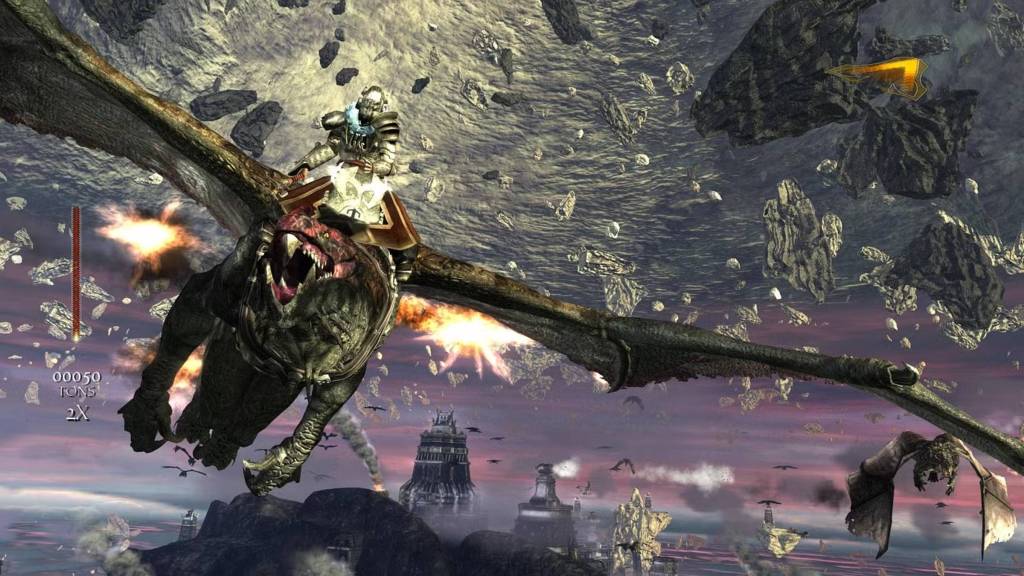 Image Courtesy of Factor 5
I’m not going to categorically state that there are no more ambitious video games or titles that offer experiences unlike anything we’ve seen before. That would be disingenuous, especially as one could rather easily argue that we’re in a golden era of game development. However, I do feel as if there is a clear style of game that has gone out of fashion in lieu of technological advancements and the insatiable demands of players: games that feel like video games. As lambasted as the motion controls were and as critical as many are of Lair as a whole, it came from an era in which video games were not afraid to be just that. It’s a true power fantasy that wholly buys into an experience no other medium could ever offer.
Nothing has come since that delivers quite the same experience. Sure, Crimson Desert features a rideable dragon, but even that is restricted by an arbitrary timer. Few games offer such a grandiose, fantastical, and epic premise as Lair, and fewer still actually deliver an enjoyable finished product that lives up to expectations. Frankly, I am of the firm belief that we need more games like Lair, but I’m also highly doubtful that we’ll get them. Sony’s investment in third-party developers with bold ideas hasn’t waned completely, but its projects are fewer and further between, with even its global Hero Projects failing to deliver titles that penetrate the zeitgeist.
Lair allegedly cost $25 million to produce, a figure that is just 6% of Concord’s reported budget. Sure, it has been almost two decades since Lair released, but even adjusted for inflation, it would only cost $40 according to the US Inflation Calculator. The exorbitantly expensive trajectory the video game industry is going in prohibits games like Lair from being produced. It stops PlayStation and its contemporaries from investing in smaller teams and ambitious ideas because they believe they have to throw hundreds of millions of dollars at each project. It is the frustrating reality of an industry spiralling out of control and reeling from a now unachievable influx of revenue from an unprecedented global pandemic.
If we are never to get another game like Lair, then at least we have the PS3 title to fall back on. Sure, it’s a tad messy, but a slew of patches have ironed out some of its biggest issues, making for an experience that will feel wonderfully nostalgic for anyone, like me, missing an era in which games didn’t have to cost the same as a blockbuster movie. I don’t expect people to rush out and buy a PS3 to play Lair; few games are worth buying an entire console for, even one as old and discounted as Sony’s seventh-generation console. However, I hope we can all remember Lair, not as it was at launch and not how those disappointed by its initial technical and playable state do, but as it is and was always supposed to be. At the very least, do yourself a favor and listen to its soundtrack, as it may just be one of the greatest in video game history.
Do you have any fond memories of playing Lair? Leave a comment below and join the conversation now in the ComicBook Forum!