

Dead As Disco immediately caught my attention the moment I set eyes on it and its jam-packed (pun intended) combat. Rhythm games have always interested me, but I lack the natural rhythm to be any good at them and require the timing and flow they need. But developer Brain Jar Games has created a title that is rhythm adjacent, where the music shifts to match your actions, giving a new angle on the genre. The result is something that feels like Sifu with a touch of Hi-Fi Rush, where every counter and punch starts to feel like part of a performance.
Beyond its gameplay, Dead As Disco blends its stylish combat with incredible tunes and one of the best aesthetics I’ve seen in a video game. The early access release gives a tease and shows Dead As Disco’s greatest strengths. But it also reveals some flaws with the current state of the game. Its current content is incredibly short, as I was able to complete the available stages in roughly 3 hours. Combine this with the boss fights that, while fun, do slightly overstay their welcome, and the lack of enemy variety, and it’s hard to justify the price right now despite its strong foundation. But picking it up now at a discounted rate is worth it when the full game is ready.
Rating: 3.5/5
ProsConsStylish rhythm based combat feels fantastic when synced to the music.Boss fights can drag on slightly too longIncredible soundtrack with strong boss fight presentation.Some UI and audio balancing issues still need polishCreative visual style and strong character identity.Enemy variety outside major encounters can feel repetitiveCustom music support adds huge replayability.Early Access content feels limited.
A Surprisingly Strong Story With Vibrant Characters
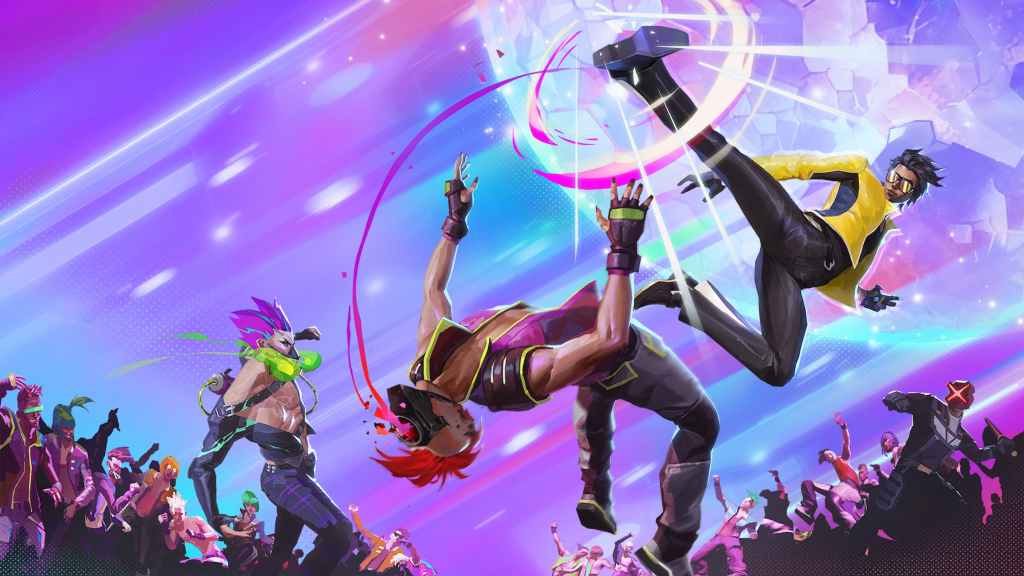 image courtesy of brain jar games
I went into Dead as Disco expecting the story to mostly exist as an excuse for stylish boss fights and cool music. Instead, I found myself genuinely invested in Charlie Disco and the strange world around him. The setup is interesting: Charlie, having returned from the dead with his floating skull lawyer, is trying to reunite his band by beating them while also trying to uncover who killed him years ago. It is the tone that makes this narrative work.
The game fully embraces its absurd style without losing emotional weight. Corrupted music idols and supernatural contracts all sound ridiculous on paper, but the writing manages to tie everything together in a surprisingly grounded way. There is an undercurrent of regret and betrayal that gives the story more depth than I expected. Charlie himself is also a strong lead. He has enough charisma to carry the game, but there are hints of bitterness and insecurity beneath his flashy appearance. I liked that the story does not present him as a flawless hero. Conversations with former bandmates reveal cracks in the relationships and suggest Charlie may not remember everything clearly.
The Encore Bar hub area adds even more character to Dead As Disco. Between missions, you can talk to characters, decorate the bar, and uncover collectibles that slowly reveal more details about the world and the band’s history. It gives the game a sense of progression outside combat and makes the characters feel more fleshed out. The story remains incomplete due to the Early Access structure, but there is enough intrigue to keep me invested. I genuinely want to know where things are going, especially what actually happened between Charlie and his band all those years ago.
Rhythm Combat That Feels Incredible
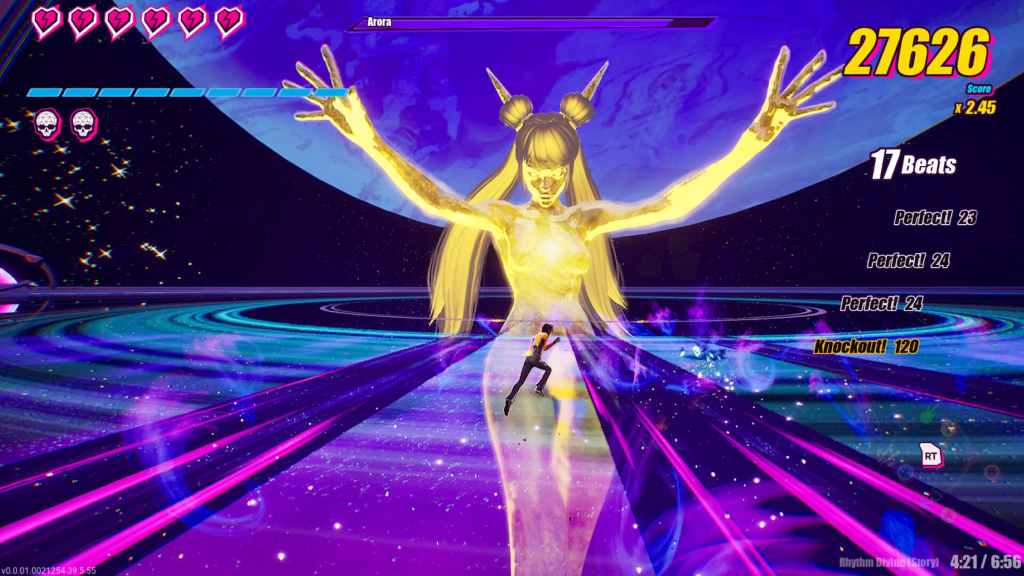 image courtesy of brain jar games
The combat is where Dead as Disco truly shines. The easiest comparison is Hi-Fi Rush, but there is also a heavy influence from the free-flowing combat seen in the Batman: Arkham games and Sifu. Attacks, dodges, counters, and finishers all connect to the beat of the music, turning every fight into a performance. When it’s all combined, it feels incredibly satisfying and rewarding. Perfect rhythm isn’t needed to succeed, thankfully for me, but syncing your actions correctly dramatically improves your effectiveness. Better timing leads to stronger attacks, improved dodges, and faster Fever meter generation for special moves.
When everything clicks, the game feels amazing. Chaining counters into finishers while enemies flew around the arena in sync with the soundtrack; few games manage to create that sensation of flow as effectively as this one already does. The highlights are the boss fights. Each Idol encounter feels like a major event, complete with unique mechanics, elaborate stage transitions, and incredible music tracks. Aurora’s boss fight was my favorite because of how much it blended mechanics. The presentation during these sequences is genuinely impressive.
That said, there are still areas that need refinement. Some boss fights feel overly long, especially when you are still learning mechanics or lack upgrades. By the final phase of some bosses, I just wanted it to be over. There is also the issue of enemy variety, which is majorly lacking. Still, the core gameplay loop is excellent. The skill trees are meaningful without being overwhelming, upgrades feel impactful, and the custom song support adds near-endless replayability. Being able to upload your own music and create personalized combat experiences is an ambitious feature that gives the game a unique identity.
Style, Music, and Personality Carry the Experience
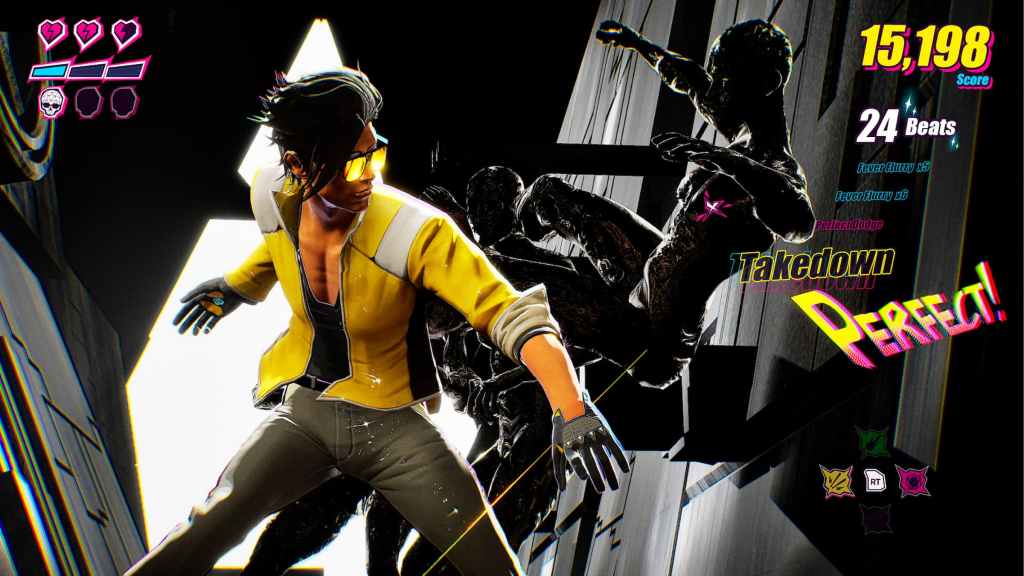 image courtesy of brain jar games
If there is one thing Dead as Disco absolutely nails, it is style. Everything from the visual design to the soundtrack feels and looks incredible. I love the different genres of music, and it allows the game to express itself with exaggerated energy without feeling over the top. The mix of original tracks and licensed songs creates a varied and memorable experience. Different genres shape the tone of each encounter, making every Idol feel distinct. One moment you are fighting through aggressive metal riffs, and the next you are dodging attacks to a polished pop anthem.
Dead As Disco injects so much personality into the environments and character designs. Charlie’s design is the weakest, but only because the other idols knock it out of the park. What makes this especially interesting is how each idol has a different theme and genre, and I can only imagine the mash-up that they’d be if they played together. Animation work is another standout area. Combat transitions are smooth and expressive, and even basic attacks carry a strong sense of impact. Fighting enemies and idols combines cool moves with impactful hits to create a special combat system. The varying phases of the boss fights kept me on my toes and forced me to adapt to the new strategies I faced.
The game is not fully polished yet, though. Audio balancing can occasionally feel inconsistent, especially during chaotic fights where dialogue gets drowned out by music and effects. Lyrics ending while the music still played is another thing I’d like to see addressed. Beyond this, I encountered a few bugs involving enemy positioning and UI readability. None of these completely ruined the experience, but they are reminders that this is still an Early Access title.
Even with those issues, it is hard not to admire what Brain Jar Games has already accomplished. Dead as Disco feels creative, stylish, and surprisingly ambitious. The combat feels fantastic, the soundtrack is excellent, and the game’s identity is unlike anything else currently in the genre. With more refinement and additional content, this could easily become one of the standout rhythm action games in recent years. As it is, Dead As Disco is great for some quick sessions, but needs more content for long-term engagement. Thankfully, Brain Jar Games has already published a roadmap, and players can expect an encore soon.
Dead As Disco is available on PC in early access now. A Steam code was provided by the publisher for the purpose of this review.
What do you think? Leave a comment below and join the conversation now in the ComicBook Forum!