
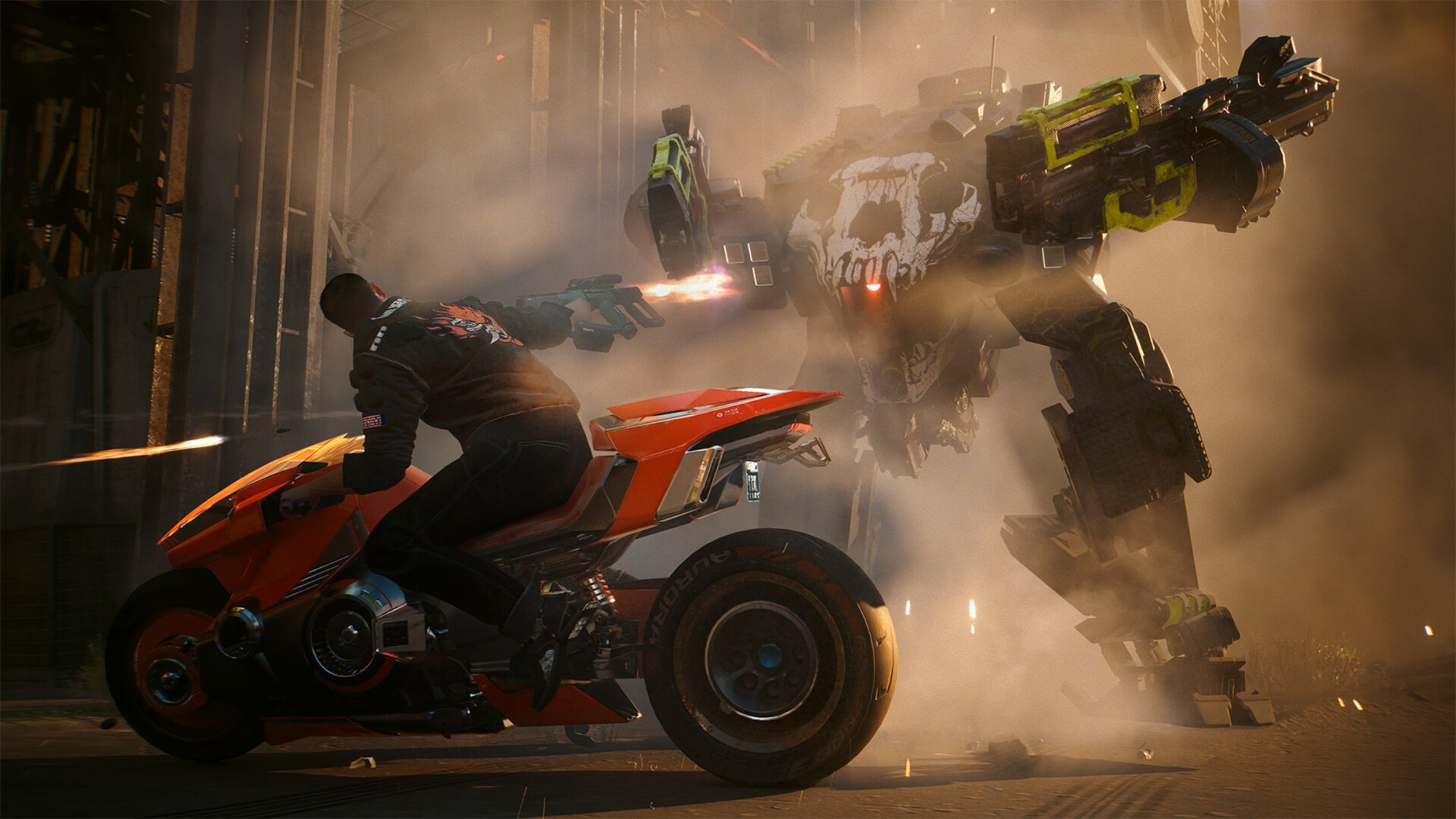
There is a quiet truth sitting inside a lot of modern open-world games. The main story is not always the main attraction. It is often the tour guide. It points you in the right direction, introduces the world, and then politely waits while you wander off and do something far more interesting. These games are built like playgrounds, not straight lines. And once you realize that, the “main path” starts to feel more like a suggestion than a priority.
I have lost count of how many times I have meant to follow the story, only to get completely distracted by something else. A random encounter. A strange location. A system that pulls me in harder than any cutscene ever could. Before I know it, I am ten hours deep into content that the main plot barely even acknowledges. And honestly, that is usually where the best moments happen. The story might start the journey, but everything around it is what makes staying worth it.
5. Cyberpunk 2077
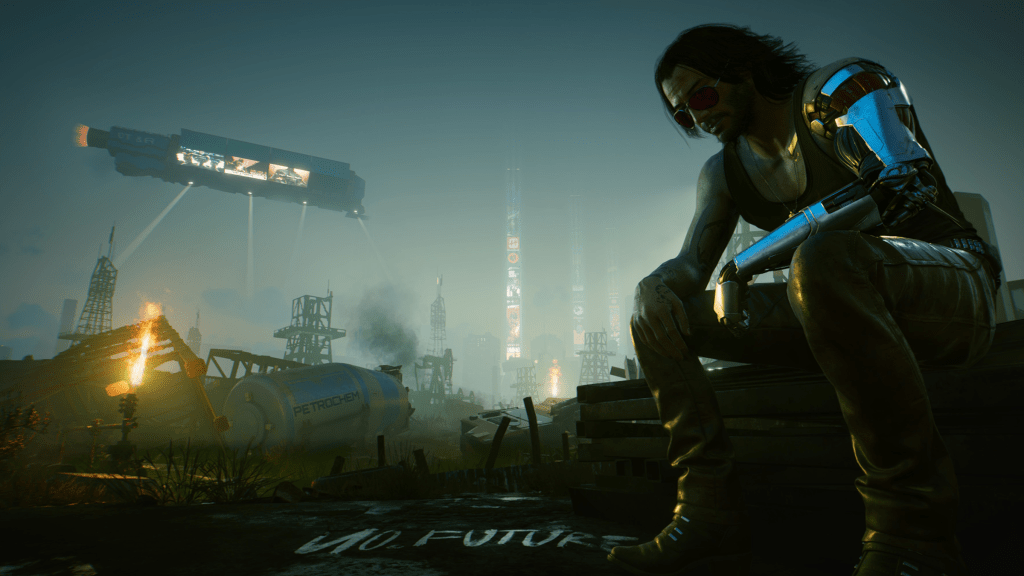 courtesy of CD Projekt Red
Cyberpunk 2077 drops you into Night City with a strong central story, but the world around it refuses to sit quietly in the background. The main narrative is focused and character driven, giving you a clear direction and a reason to keep moving forward. At the same time, the city itself feels alive and that constantly pulls your attention away from that core path. Every district has something going on, be it a fight or other random encounter that just… leads to some other wild thing. Every corner feels like it might be hiding something worth checking out, and that makes it a game that dares you to ignore what it just told you to do.
Once you start wandering, the game really opens up a lot. Side gigs turn into full blown stories. Random encounters spiral into chaos that feels more memorable than anything scripted. If you treat it like a looter shooter for a while, you start finding gear that the main story will never hand you directly. Some of the best weapons and builds come from simply getting lost and pushing into areas you probably were not meant to tackle yet. The main story is great, but Night City feels at its best when you stop treating it like a checklist and start treating it like a playground.
4. Fallout: New Vegas
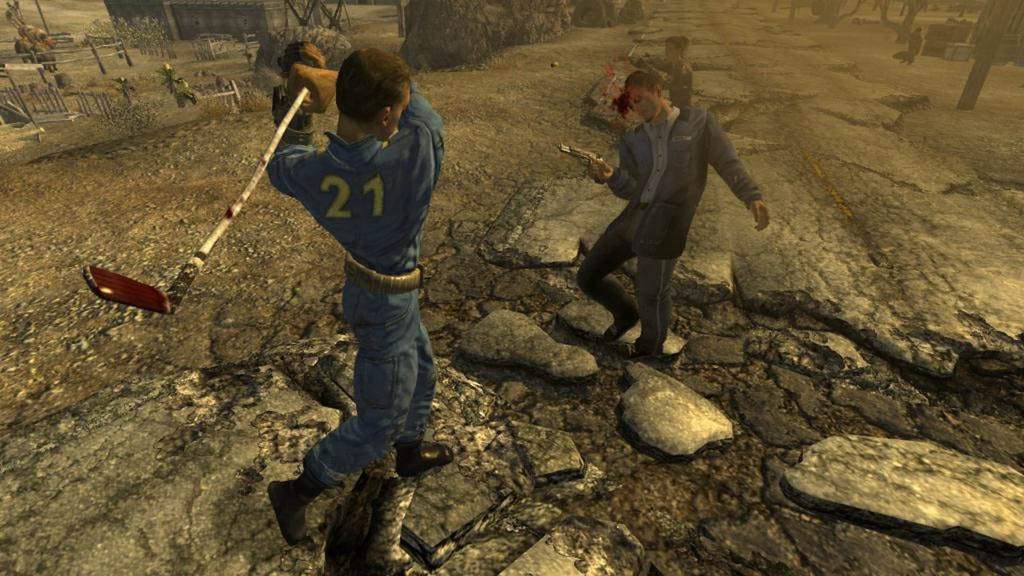 Fallout: New Vegas
It is undeniable, at this point, that Fallout: New Vegas has one of the strongest main stories in the series, with choices that actually matter and an ending that reflects how you played. It gives you a clear goal early on and builds a narrative that reacts to your decisions in meaningful ways. The world feels grounded in that story, with factions and characters tied into a larger conflict. On paper, it is exactly the kind of RPG where you would want to follow the main path closely. In practice, that path is just one piece of something much bigger.
The Mojave Wasteland is packed with content that has nothing to do with your main objective. You can spend hours chasing side quests that feel just as detailed as the central plot. There are strange locations with their own stories, hidden gear that rewards exploration, and encounters that feel completely unscripted. It is very easy to forget what you were even supposed to be doing. There is a reason so many players never finish a Fallout game, and it is not because they lose interest. It is because the world keeps giving them better things to do.
3. Crimson Desert
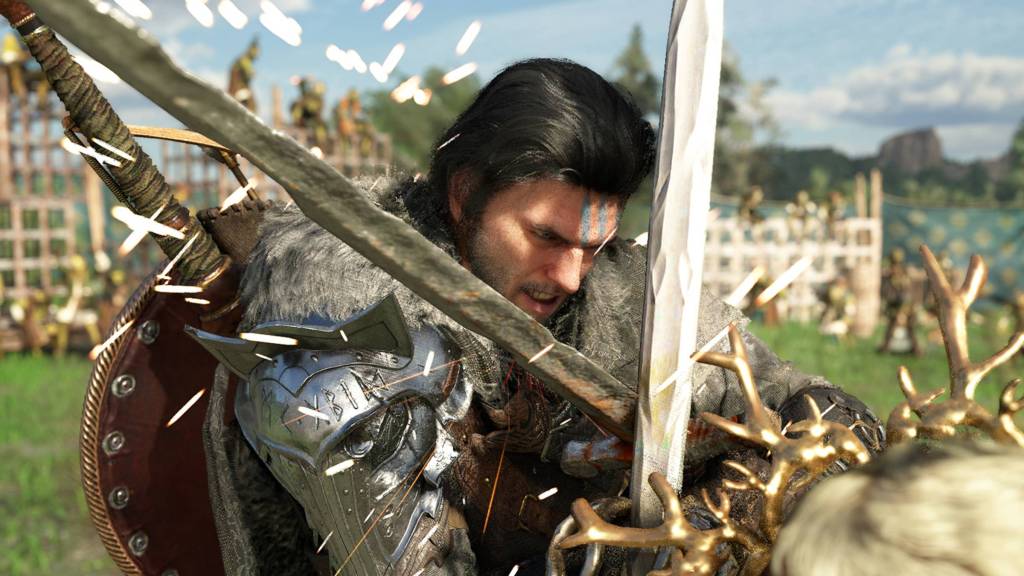 Courtesy of Pearl Abyss
Crimson Desert throws you into a massive world that feels overwhelming almost immediately. The main story is there to guide you, and depending on who you ask, it can either be a strong anchor or something that fades into the background. What stands out more is just how much the game has going on outside of that central narrative. The world is dense with activities, systems, and stories that feel connected to a larger mythos rather than a single plotline. It feels less like you are following a story and more like you are stepping into a living world that already has its own history.
The real experience comes from diving into everything around that main thread. Side content is not just filler here. It feels like the core of the game. You can spend dozens of hours exploring systems and uncovering stories that never intersect with the main narrative directly. That said, the game does expect you to engage with the story early on to unlock key mechanics. Once those doors are open, though, it becomes very easy to drift away and never look back. The world is so packed with things to do that the main story starts to feel optional even when it is technically not.
2. Red Dead Redemption 2
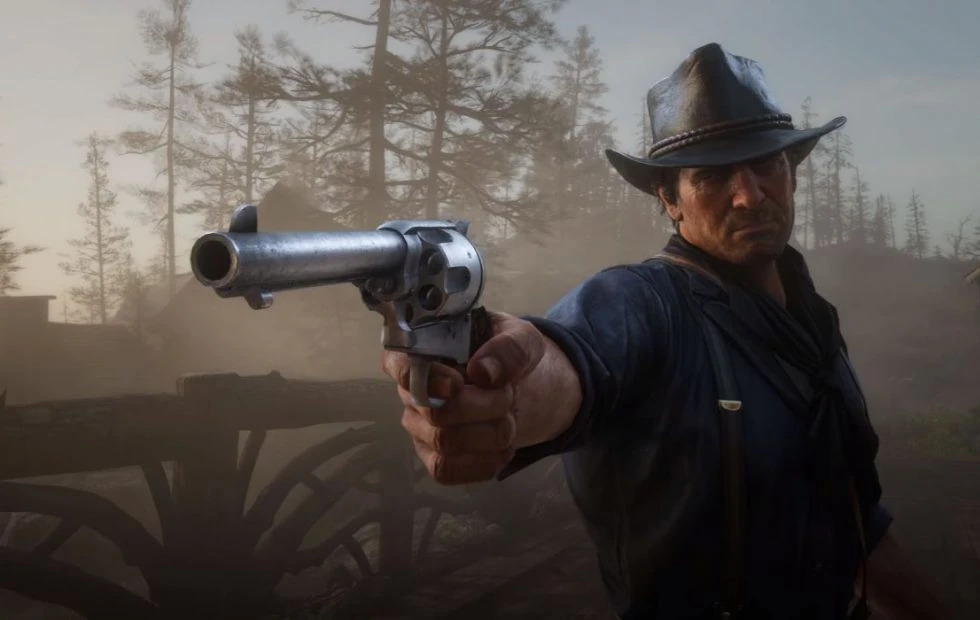 Image Courtesy of Rockstar Games
Red Dead Redemption 2 tells a powerful and emotional story that unfolds at a deliberate, structured pace. It is like a slow burn, with characters and themes that develop over time. The main narrative is carefully crafted, and it wants you to take your time with it. At the same time, the world around that story is so detailed that it constantly competes for your attention. Every town, road, and stretch of wilderness feels like it has something waiting for you.
Ignoring the main story turns the game into something almost entirely different. You start noticing small details that are easy to miss when you are focused on objectives. Random encounters become the highlight, whether it is helping a stranger or stumbling into something that goes completely wrong. Hunting, fishing, and just existing in the world starts to feel more rewarding than pushing the plot forward. It also helps that the game is incredibly immersive no matter what activity you decided to dive into. The game slows down in the best way when you let it. The story is excellent, but the world is what makes it unforgettable.
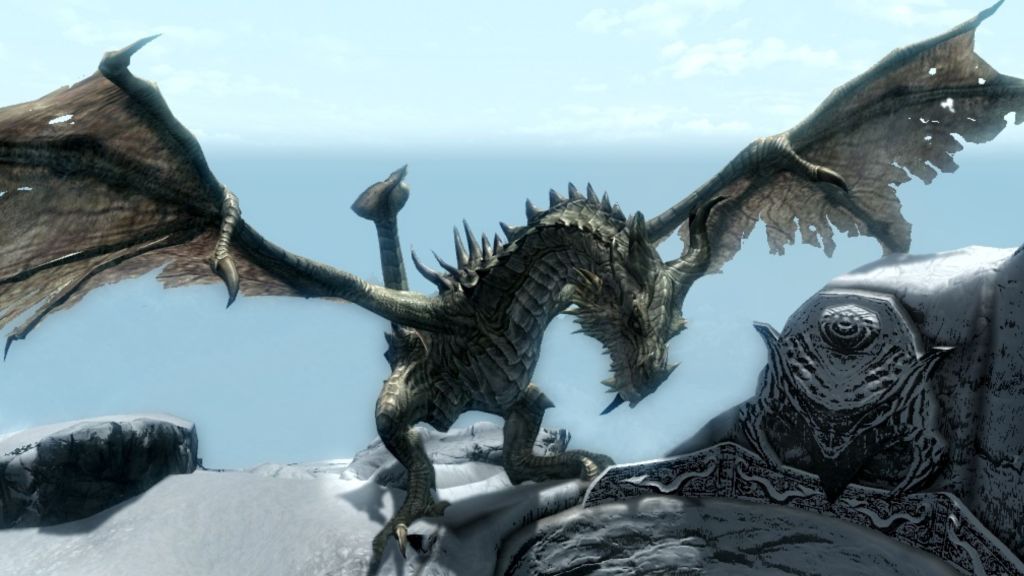 Image courtesy of Bethesda
Skyrim is one of the most well known examples of a game where the main story feels almost secondary. The central plot is solid enough to keep you moving, but it rarely feels like the main reason to keep playing. The world is vast and filled with locations that pull you away from whatever objective you had in mind. It is the kind of game where you set out to do one thing and end up doing five completely different things instead, sometimes forgetting that original thing entirely. That sense of freedom is what defines the experience.
Once you start ignoring the main story, Skyrim really shows what it is capable of. There are entire questlines that feel just as important as the central narrative. Players are still discovering secrets years later, which says a lot about how much is packed into the world. You can build a character through exploration and side content alone without ever touching the main path for long stretches. The only catch is that some important systems are tied to early story progression. Once you get past that point, though, the game becomes a sandbox that feels almost endless.
What do you think? Leave a comment below and join the conversation now in the ComicBook Forum!