
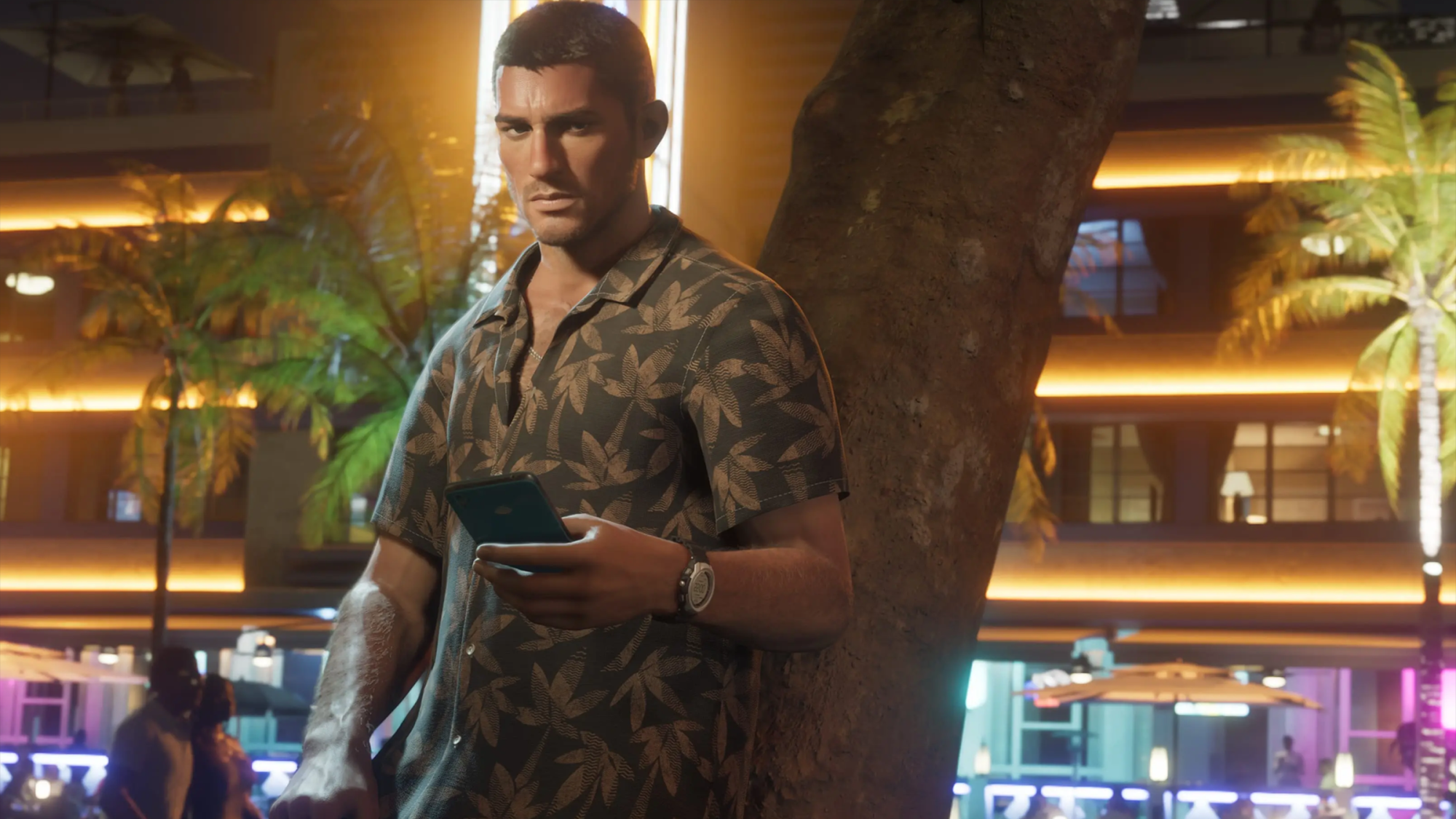
The gaming industry, as with any form of business in our current capitalist society, largely works in starts and bursts. A new advancement changes the playing field, with the competition trying to match the biggest companies in the market. This can be felt in everything from gameplay styles and hardware advancements to storytelling trends and technological leaps forward.
AI has been a wildcard for most industries, but especially the completely digital landscape of video games. Companies have been wrestling with the ethics and fiscal realities of AI as a tool, with some publishers doubling down on the practice while others are swearing off the concept. One of gaming’s biggest companies, Take-Two, seems to have made a big decision about the practice — and given the sheer scope of the company and its typical place as a bellwether for the industry, it could be a crucial moment in the history of AI in gaming.
Take-Two Is Making Big Cuts To Their AI Department
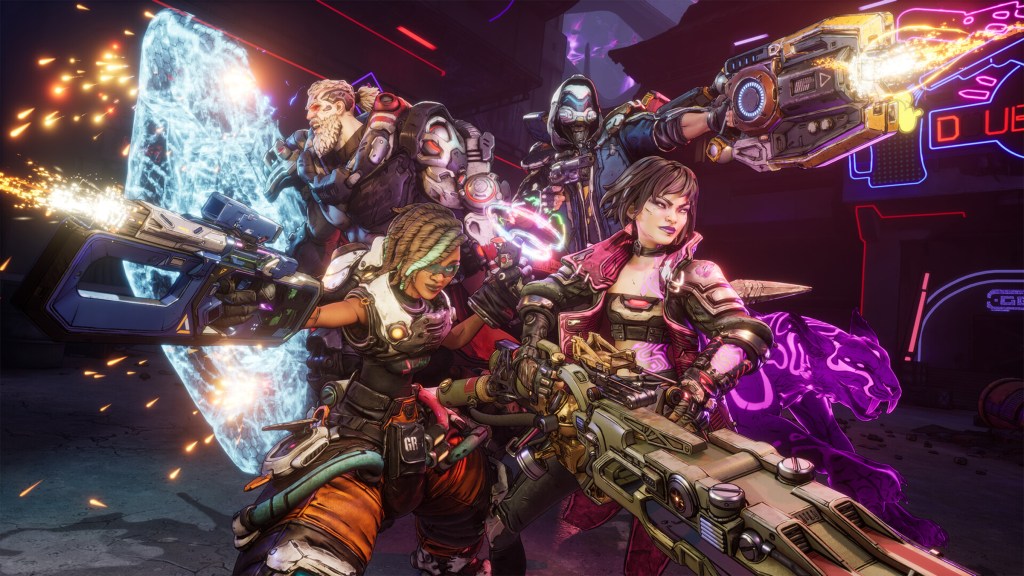
Take-Two is one of gaming’s biggest and most influential developers, so it’s very notable that the company seems to be pulling back on AI. The game developer followed the general shift of the industry in recent years towards experimenting with AI by establishing their own AI department in early 2025. However, not even 18 months later, the department has reportedly been shrunk in some key ways. Cuts have been hitting the department, extending even to the head of the department, Luke Dicken.
In a since-deleted post to LinkedIn, Dicken also implied that the cuts had hit the entire team, noting that he was seeking help finding other members of his team some new positions in the industry. Dicken has been involved in AI for some time, working with Zynga for several years before joining Take-Two. This comes on the heels of Take-Two CEO Strauss Zelnick’s recent comments about generative AI in game development. While Zelnick has expressed interest in AI as a potential tool for developers, he dismissed the notion of AI being used heavily in game design as a “laughable” concept. This cuts a lot harder now in retrospect, given that Dicken and his team have seen their department cut down by the company.
Where Take-Two Goes, The Industry Usually Follows
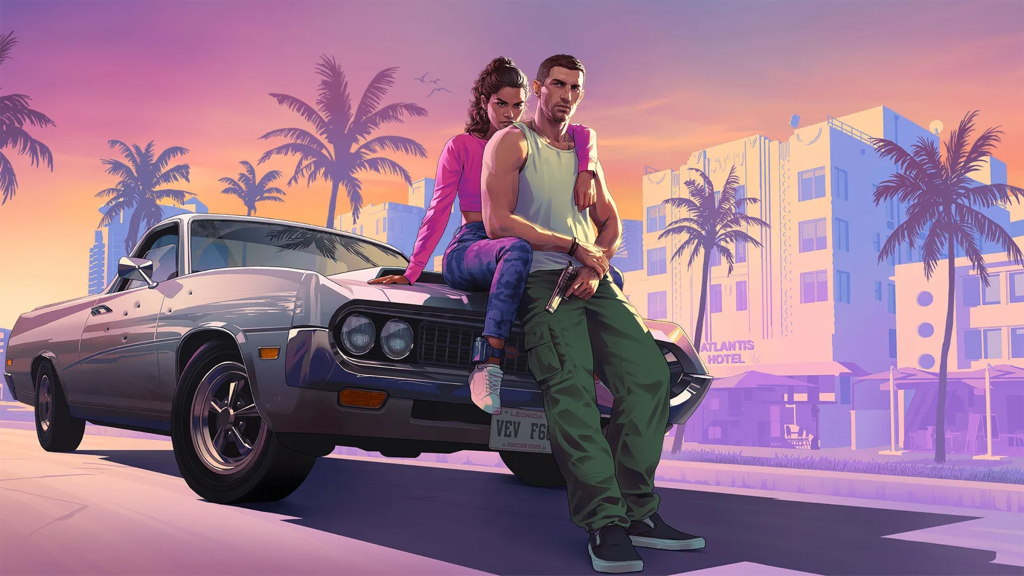
Take-Two is one of the biggest game publishers in the world, with a massive roster of in-house developers like 2K and Procstar games under its umbrella. The industry as a whole tends to pay very close attention to whatever Take-Two games are coming up and how they’re approaching the industry, to the point where multiple developers have been upfront about rescheduling their own game launches so as not to risk competing with Grand Theft Auto 6. That sort of impact on the larger industry is impossible to ignore, and it makes the company’s move away from AI feel all the more important.
If Take-Two doesn’t see the use in keeping its AI development team as a priority, then the larger industry might follow suit. This decision might have been spurred on by changing views on the technology and the impact it can have on developers — or it could be simply an economic decision, especially in light of CPU shortages driven by the AI boom. Regardless, this move suggests that Take-Two games won’t be using revolutionary AI, even if they retain the department in some form to continue researching the evolving technology. Instead, human developers still seem to be the central focus of Take-Two’s game design.
With other game studios and publishers forced to reckon with the impact of AI on game development and the perception of the practice within the larger player audience, the decisions of the bigger companies say a lot about the direction of the industry. Smaller developers might be able to plant a foot down and say no to AI tools, but larger companies are looking to reduce any costs where they can be more careful in their moves. Some, like EA, have noted that AI has potential but that it could cause massive damage to the brand if players find out they’re using AI. Even critical darlings like Clair Obscura: Expedition 33 have suffered publicly when their AI-generated assets were uncovered.
All of this is to say that Take-Two taking a clearer stance on AI could be a sign that the industry is increasingly turning away from the practice. This could be seen as a big win for developers and a loss for proponents of AI in game design, as it suggests the game companies under Take-Two will continue to invest in the former instead of the latter. It could also be part of a growing wave turning against AI tools in game development and design as a whole. While it might be a while before it’s clear for sure, Take-Two’s decision to cut down on AI tools could be a big moment for the larger history of AI in game development.