
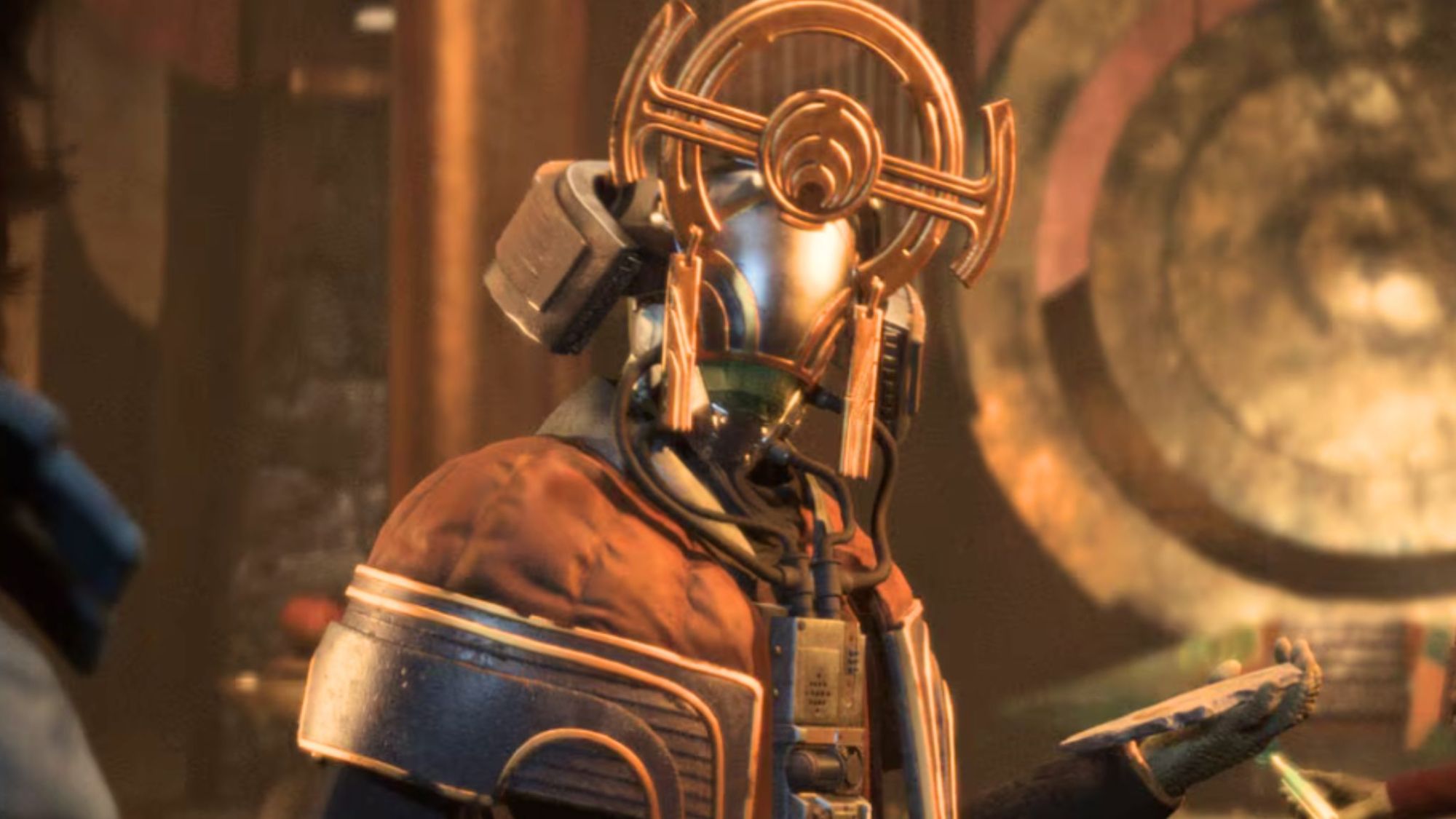
Video games exist in a strange arena now, one where hype cycles inflate expectations into orbit and a single clipped animation or out-of-context clip can crater public opinion overnight. Between algorithm-fueled outrage, social media dogpiles, and a culture that loves a dramatic “fall from grace,” games are judged faster and louder than ever before. Sometimes that scrutiny is earned. Sometimes it is not. And sometimes, it lands like a meteor on projects that were quietly doing a lot right while everyone else was busy throwing tomatoes.
This list is for the games that got caught in that storm. The ones that stumbled, sure, but were treated like they committed unforgivable sins instead of just being… human. These are the titles that deserved curiosity instead of condemnation, patience instead of punchlines, and maybe, just maybe, a second look after the noise died down.
3. Star Wars Outlaws
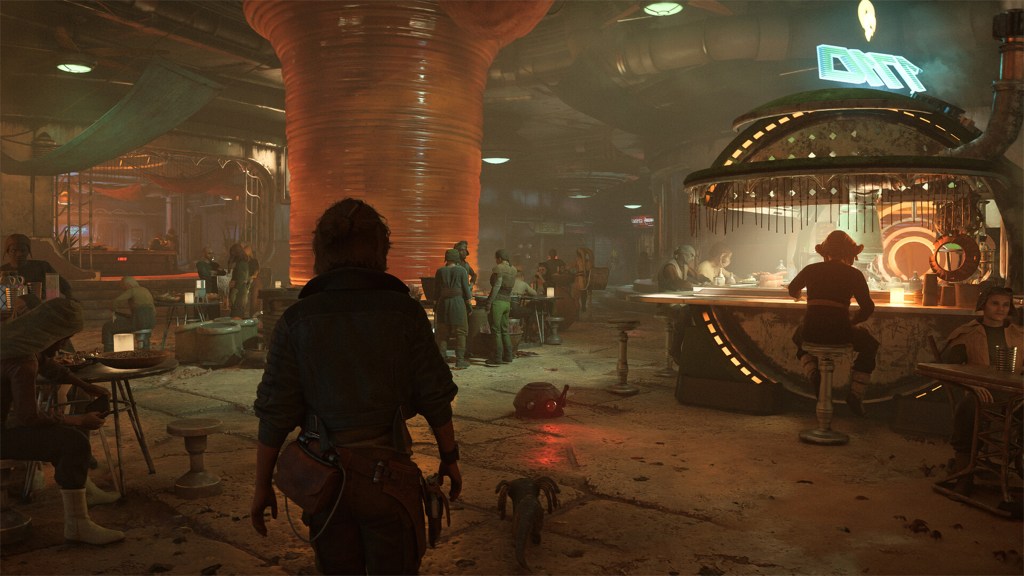
There is something almost poetic about a game set in a galaxy full of rogues being judged so harshly for not being perfect on arrival. Star Wars Outlaws stepped into a fandom that already had a checklist a mile long, and the second it didn’t tick every box with glowing precision, people started sharpening their takes. The result was a conversation that felt less like critique and more like a race to find the funniest complaint. It absolutely leans into Ubisoft’s familiar open-world formula, but this is one of the stronger versions of that structure they have delivered in a while.
What got lost in that noise is how refreshing the game actually is. Playing as a scrappy outlaw instead of a Force-wielding demigod changes the entire texture of the experience. The world feels grimier, more grounded, more willing to let you exist in the cracks rather than at the center of destiny. The AI can be truly rough, and people are right to call that out since there are plenty of examples, but that flaw does not cancel out how genuine the Star Wars feel is across the rest of the experience.
Is it flawless? Not even close. But the way people talked about it, you would think it personally insulted their childhood. Beneath the memes and nitpicks is a game with personality, ambition, and a clear desire to explore corners of the universe we rarely get to see. Star Wars games of this scale do not come around often, and this one is nowhere near as bad as you have probably heard.
2. Crimson Desert
 Courtesy of Comicbook
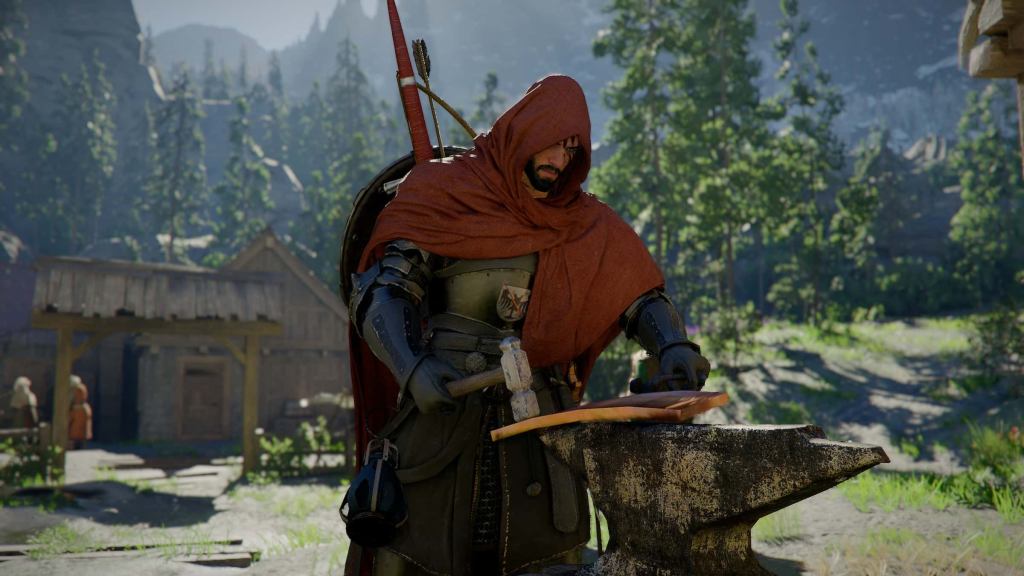
Crimson Desert practically belly-flopped into it a wave of scrutiny at its launch. Early impressions painted it as clunky, overwhelming, and strangely exhausting to engage with, especially thanks to its heavy UI and systems that did not exactly welcome players with open arms. Reviews hit fast, scores landed in that awkward middle ground on places like Metacritic and Steam, and the narrative formed quickly that this was another case of ambition outpacing execution.
But here is the thing about slow burn games. They do not always reveal themselves in the first few hours, and Crimson Desert is very much that kind of experience. Once players pushed past the initial friction, the depth started to surface. The combat opened up, the world began to feel reactive and alive, and the systems that once felt like barriers started to click into something far more cohesive and rewarding.
Time, as it often does, completely shifted the conversation. Players stuck with it, word of mouth softened, and that early skepticism gave way to genuine appreciation. The sentiment did a full turn, with people now praising the very ambition that once made them cautious. It is one of the clearest examples in recent memory of a game being judged too quickly, only for patience to reveal something far more interesting underneath.
1. Forspoken
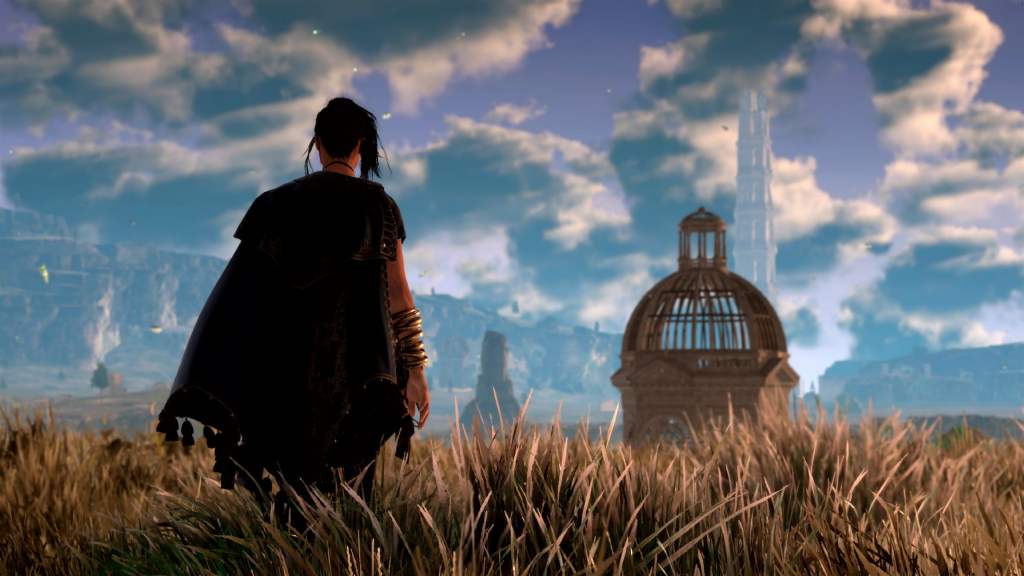
Forspoken walked into the spotlight with a tone that did not quite match what people expected, and from that moment on, it felt like the internet decided what it was before it even had a chance to explain itself. Dialogue clips floated around stripped of context, turned into instant judgments, and suddenly the entire game was defined by a handful of lines rather than the full experience. It became easier to laugh at it than to actually engage with what it was trying to do.
Spend time with it, though, and a different picture starts to form. The traversal system is genuinely exhilarating, turning movement into something that feels closer to flying than running. There is a rhythm to it that makes simply existing in the world fun, and when the combat clicks, it becomes a fast, flashy dance of magic that few games even attempt, let alone pull off this confidently. It is the kind of mechanical identity that deserves more curiosity than dismissal.
It absolutely has rough edges. The pacing wobbles, the writing can be uneven, and it does not always land the emotional beats it reaches for. But the intensity of the backlash never really matched those issues. Forspoken is the kind of game that tries something bold and occasionally stumbles, and for that, it got treated like it failed entirely. Give it a little patience, and there is a surprisingly unique experience waiting underneath all that noise.
What do you think? Leave a comment below and join the conversation now in the ComicBook Forum!