
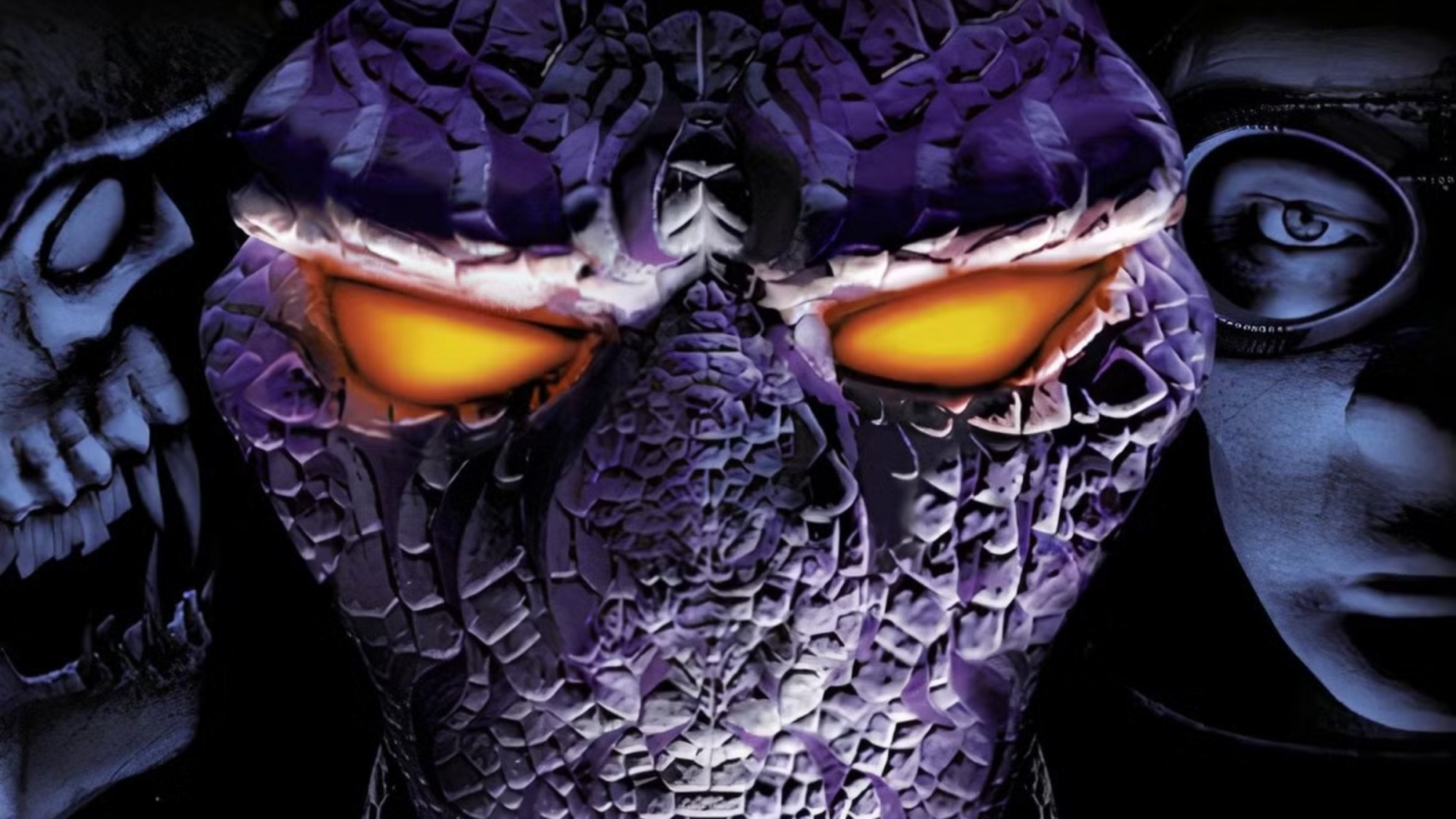
StarCraft was a genre-redefining release when it launched on March 31, 1998. Debuting nearly thirty years ago today, the sci-fi epic was a terrifically designed real-time strategy game that played with different styles of strategy based on which alien faction the player is using. The epic story, engrossing gameplay, terrific design, and impressive multiplayer all coalesced into arguably one of gaming’s most important hits.
All of that success makes the fact that the game had to be remade from the ground up all the more impressive. The original idea for StarCraft was a much different game, with a more familiar gameplay loop that failed to impress early audiences and likely wouldn’t have caught on quite like the eventual release. Here’s what StarCraft had to reinvent itself — and why it remains one of the most pivotal moments in the history of Blizzard as a company and gaming as an industry.
StarCraft’s Original Concept, Explained
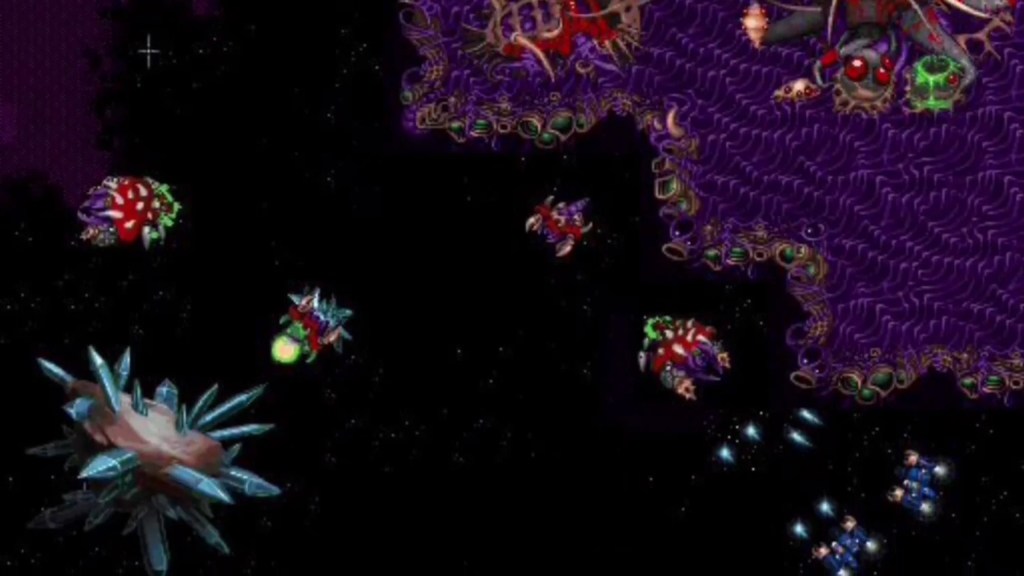
One of Blizzard’s biggest ever hits, StarCraft went through a complete ground-up revamp during one of the most fateful development cycles in PC gaming history. Blizzard had already found success with the Warcraft series by the time StarCraft entered development in 1995. Following the success of Warcraft II: Tides of Darkness, the development team tried to follow that up with a sci-fi game that reflected the same style of gameplay. The slower pace and specific design felt indebted to Warcraft, almost more of a spin-off than a new property.
The earliest versions of StarCraft, which debuted at E3 1996, bore clear similarities to Warcraft II, especially in terms of visuals and pacing. Early audiences had a similar perception of the game and expressed some real dissatisfaction with it. This led to an underwhelming response at the convention, with many brushing the game off as effectively a reskin of the established franchise. This prompted Blizzard to start the entire project over, retaining the focus on alien species but with a new approach to the concept of the RTS. Building from the ground up, Blizzard’s new take on the idea put a greater emphasis on the different playstyles afforded to each race.
The hand-drawn, colorful aesthetic of Warcraft was replaced by grittier, rendered graphics that reflected the darker tone of the sci-fi series. New tweaks to the gameplay, like units that could burrow underground or cloak themselves, required a completely redesigned game engine. The narrative was given a more cinematic tone thanks to professional voice actors, while the low-key score added plenty of atmosphere to the story. Even the camera was radically reinvented, adding a free-floating isometric in-game view that could quickly move across the map. In essence, StarCraft became a completely different game from conception to completion, retaining certain elements but completely changing the approach to gameplay.
Why StarCraft’s Success Was Such A Big Deal
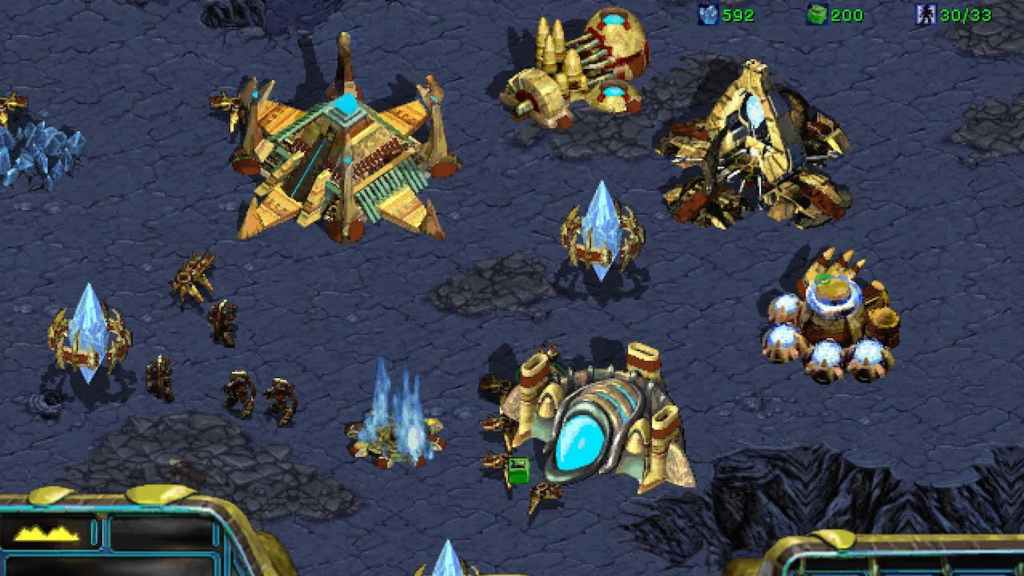 Image courtesy of Blizzard
It’s hard to understate the success of StarCraft‘s release. Following a far more successful showing at E3 1996, StarCraft debuted on March 31, 1998, and became an instant success. It sold over 1.5 million copies by the end of that year, quickly becoming a global sensation with huge player bases in North America and Asia. It did tremendously well with critics as well, going on to win several awards before becoming one of the best-selling PC games of all time. The strength of StarCraft‘s underlying design completely reinvigorated the RTS genre to the point where Warcraft III took as many cues from it as it did from previous Warcraft titles. The online multiplayer quickly exploded in popularity, becoming an early and definitive piece of the competitive gaming scene that it continues to dominate in the modern day.
The game’s success reshaped the gaming landscape, introducing compelling and complex characters to a genre that at the time could still feel simplistic. StarCraft‘s success helped lay the groundwork for everything that followed, giving the company more confidence to swing big. The spirit of reinvention for the sake of a better game permeates the company’s later ambitious projects like the MMORPG World of Warcraft or the hero shooter Overwatch. StarCraft‘s own success prompted a quick expansion pack, a number of map releases, and a long-awaited sequel trilogy that refined the central gameplay without replacing it.
StarCraft might be one of the best examples in the industry’s history of how important flexible creativity can be in game design. The original StarCraft feels like a pencil draft compared to the work of interactive art that StarCraft became, a testament to the work of the entire team behind the game, put into reinvigorating a game that could have been forgettable into a paradigm-shifting release. It delivered on all the hype surrounding the follow-up to Warcraft II and then some, reinventing the genre and proving that a PC game could break out into the wider culture in some major ways. The gaming industry looks entirely different if Blizzard hadn’t taken a huge risk with StarCraft, and countless generations of players will always be grateful for the impact of that release.