
SEATTLE — Federal authorities are warning people to be aware of restrictions on when and where drones can be operated during the upcoming FIFA World Cup games in Seattle.
The games will start in mid-June and run through early July at Lumen Field.
During the games, the Federal Aviation Authority (FAA) will close airspace for several miles around the stadiums, which will restrict the use of drones.
RELATED | Inside the race to bolster US defenses against drone attacks
The FBI Seattle Field Office will be one of many law enforcement agencies working to keep drones away from the stadiums and crowds.
“We have the technical capability to locate the drone, locate the operator, and we will contact the operator of the drone,” said FBI Special Agent Ben Williamson. “A lot of recreational fliers don’t know they’re flying in a restricted area so that’s why we’re trying to put the word out now to make sure you check before you fly.”
The FAA has resources through its B4UFly service to help drone operators know when temporary flight restrictions are in place.
LINK | FAA Safety Plan for FIFA World Cup 2026
What is a “No Drone Zone”?
A “No Drone Zone” means that unauthorized drone flights are strictly prohibited in the designated airspace and surrounding grounds. During major sporting events like the FIFA World Cup™, the FAA implements Temporary Flight Restrictions (TFRs) to limit air travel and secure the airspace. Taking off, landing, or flying a drone within these restricted areas is a serious violation of federal and local regulations.
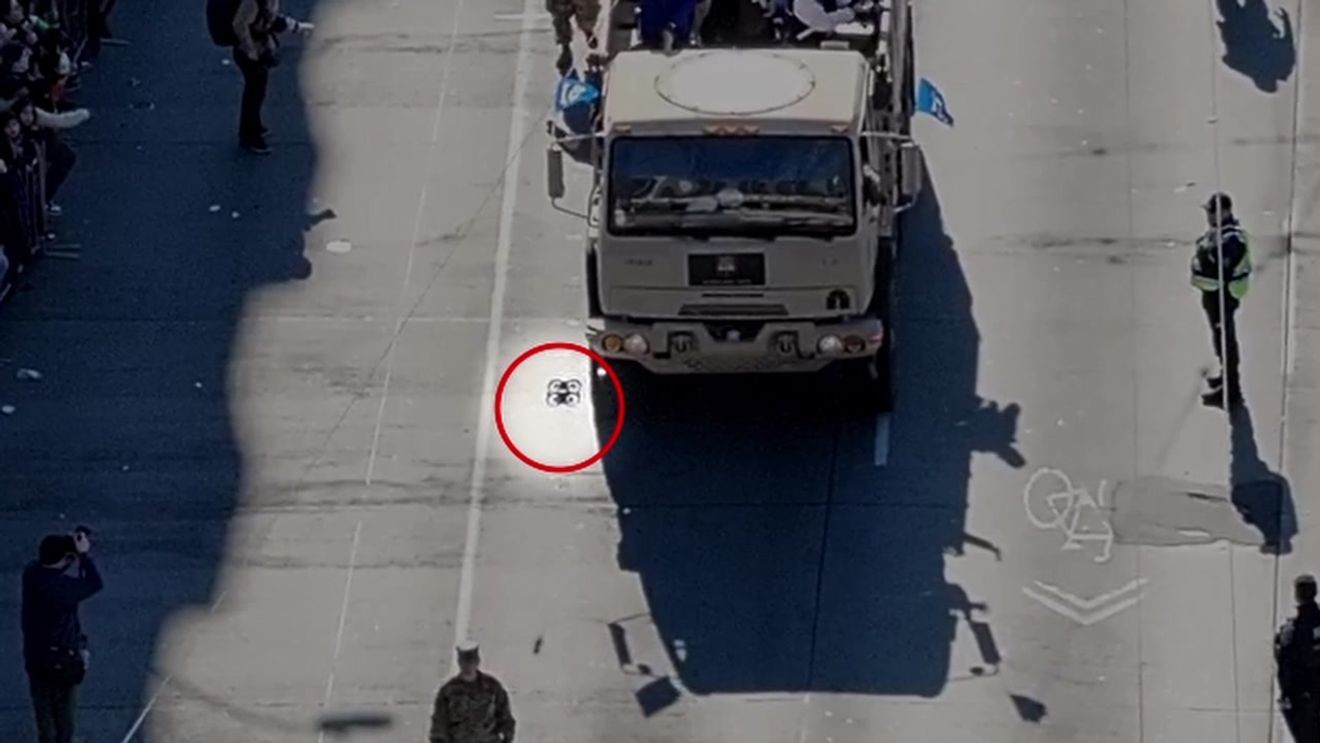
Last month, local and federal agencies partnered to track more than 30 unauthorized drones that violated airspace restrictions during the Seahawks’ Super Bowl parade in Seattle. One pilot flew his drone into Lumen Field during the trophy ceremony.
The King County Sheriff’s Office is currently pursuing charges against the drone pilot. Prosecutors say the case is still under review.
RELATED | Criminal charges sought after more than 30 unauthorized drones over Seahawks parade
Drone operators who violate the rules can face state or federal charges, as well as steep fines of up to $100,000.
“It’s incumbent upon drone operators to know if they are flying in restricted airspace,” Williamson said.