
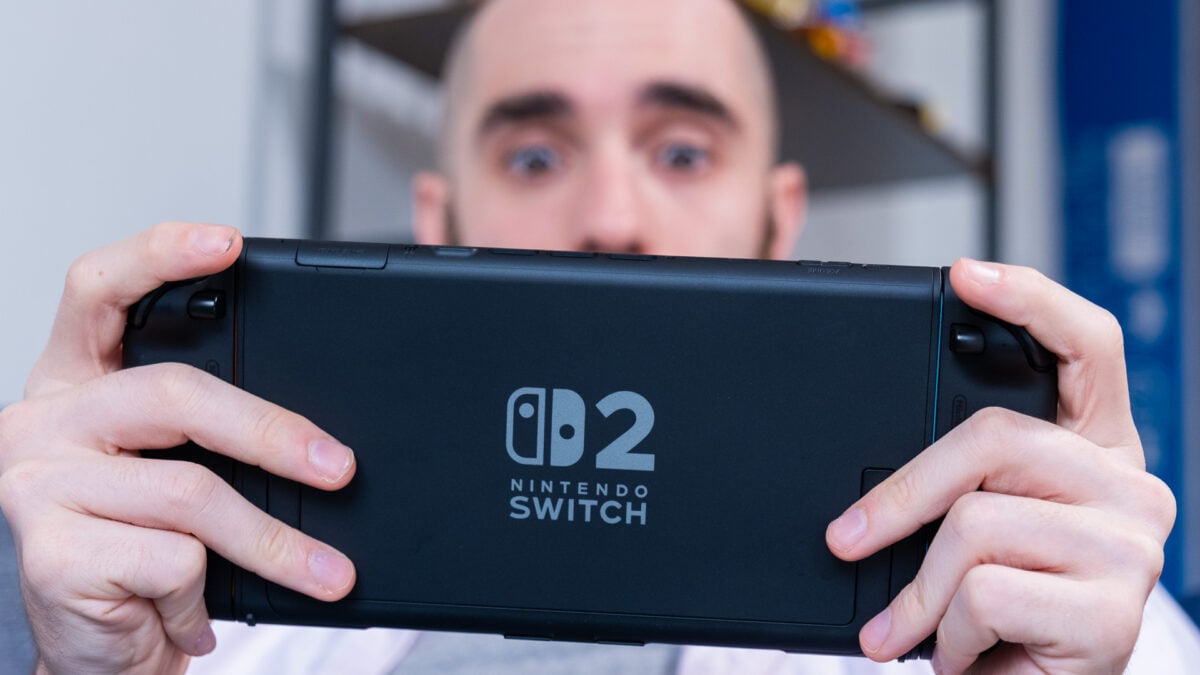
Want to physically own your next Nintendo-made game? That’s going to become more of a luxury in the Switch 2 era. Nintendo declared today that physical and digital Switch 2 games will cost different amounts starting in May 2026. What that likely means is you’ll pay a premium just to own a physical game card.
In its statement, Nintendo said the first game with this new divided pricing scheme will be the upcoming Yoshi and the Mysterious Book. Nintendo’s web store shows the cutesy platformer featuring the adorable dinosaur mascot costs $60 if you buy it digitally. It costs $70 for the physical version before shipping. Nintendo only referenced “new” Nintendo titles coming to the Switch 2 that will see this pricing change. Hopefully, existing physical games won’t see a similar price hike.
Nintendo said in its statement that “this change simply reflects the different costs associated with producing and distributing each format and offers players more choice in how they can buy and play Nintendo games.” Retailers and third-party publishers still get to set their prices however they want. However, publishers often follow Nintendo’s lead on pricing. The big “N” was one of the first developers to push $70 games with titles like The Legend of Zelda: Tears of the Kingdom. It has since tried to see if customers would accept $80 games with titles like Mario Kart World.
Gizmodo reached out to Nintendo for clarification on whether this will be the new standard going forward into the future. We also asked if players can ever expect digital editions to cost more than their physical counterparts.
Blame the RAM crisis, Nintendo, or both 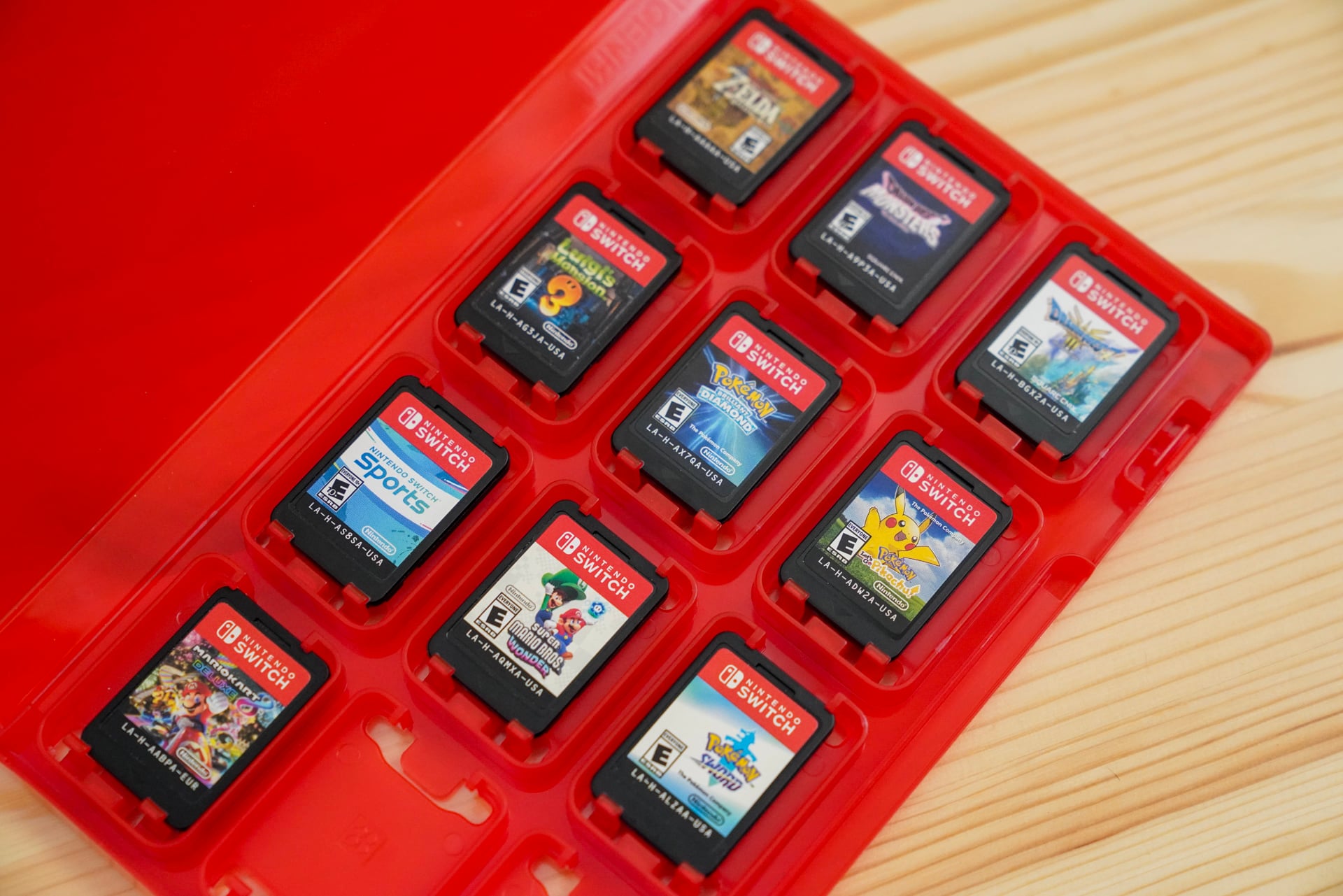 © Raymond Wong / Gizmodo
Nintendo needs to source the flash storage, in this case NAND, for games of various sizes. It’s this need for bigger and bigger storage sizes that is likely Nintendo’s biggest pain point. We previously reported that the ongoing memory shortage has already impacted the supposed supplier of Nintendo’s game card flash storage. Nintendo is just as susceptible to memory price fluctuations for both hardware and software.
In all likelihood, these price hikes will be the new standard for all future Nintendo-made titles in physical form. For decades, players grew to expect the cost of making cartridges and game discs wouldn’t add to the price of their games. While Nintendo said that players may see no difference between game cards and digital downloads, games downloaded to the Switch 2 load slightly faster than through the game card’s flash storage.
Nintendo players in particular have a fondness for physical titles. For one, they’re collectible. Nintendo fans can keep their game card boxes on the shelf like a trophy showing off their dedication to the Nintendo lifestyle. Players can finish a game and then trade or resell the title with the understanding it will work in whatever system loads it next. Now, if you want that sense of ownership, you’ll likely need to pay a premium.
What about game-key cards?
Nintendo’s titles usually demand less storage space than third-party games. Donkey Kong Bananza took up only 8.5GB. Pokémon Pokopia is worth just 6.2GB. And still, Nintendo decided to put its most recent smash hit on a game-key card. Modern AAA games from third-party developers can take up 60GB, 70GB, or more depending on the title.
Outside publishers have jumped at the chance to use game-key cards instead of traditional game cards. These are physical cards with very little information on them. They essentially act as a “key” to download a game to a Switch 2, and players can only play the games with the game-key card inserted into the system. Publishers prefer these because it lets them get away with larger file sizes and cut down on costs of sourcing the memory required for physical media. It’s currently unclear if Nintendo will spike prices for any other self-published game-key cards. If that happens, then this faux physical media would become even more pointless than they already are.