
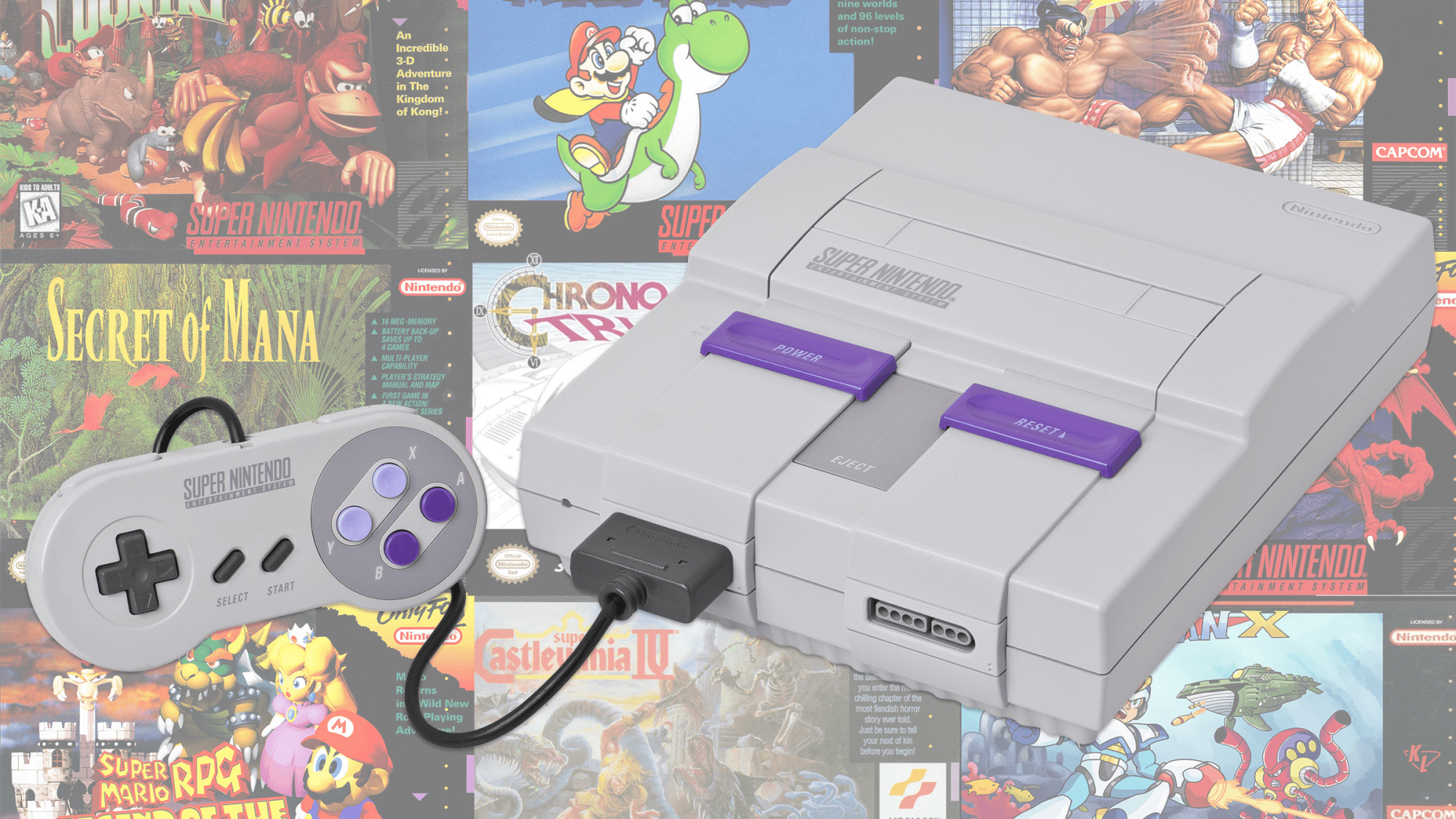
The Nintendo library of properties includes many of the most important titles in gaming history. It’s impossible to understate the impact of hits like Super Mario Bros., Pokémon Red & Blue, or The Legend of Zelda: Ocarina of Time, especially on the larger industry and medium. One of the other big entries in that list is Super Metroid, the third game starring Samus Aran. The sci-fi shooter was a far cry from most of the more cuddly characters in Nintendo games, but quickly became a fan favorite (and an unexpected icon of women in gaming) when she debuted in 1986’s Metroid.
Eight years later, Samus’s console return remains one of the best games Nintendo has ever produced, an action-adventure that redefined the genre and delivered some of the publisher’s most memorable boss fights. Super Metroid was so good that it helped inspire an entire subgenre of action games, all while helping shape the concept of an open world for gaming that still comes into play even today. Exactly 32 years after it first hit the shelves, Super Metroid remains a timeless classic and one of those rare games that genuinely reshaped the medium around it.
Super Metroid Was A Gamechanger For The Series, Nintendo, And Entire Industry
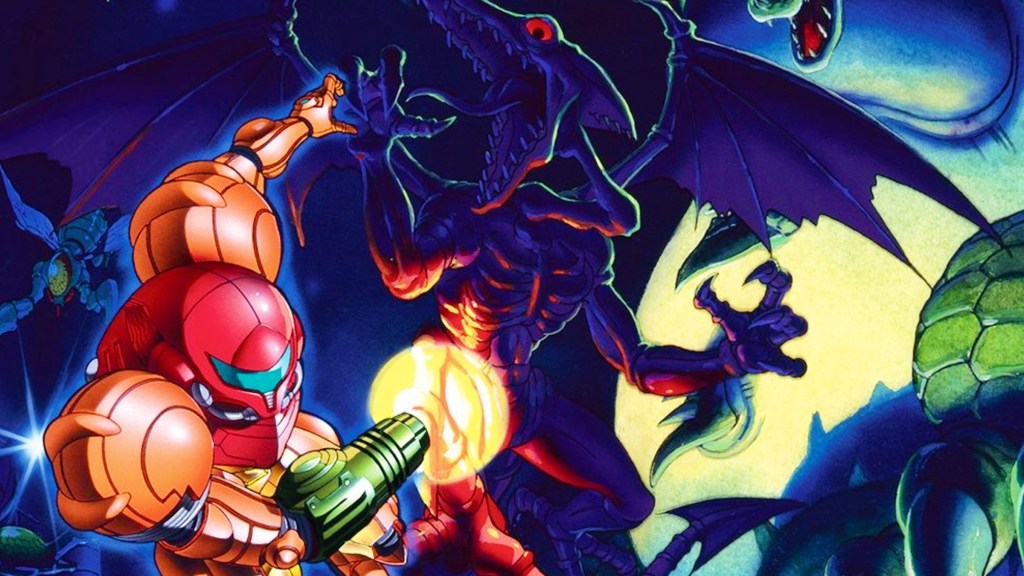
Debuting on March 19, 1994, in Japan before making the leap to the rest of the world in subsequent months, the third entry in the Metroid series was only the second time Samus had appeared on consoles. Following the success of the first game on the NES and Metroid II: Return of Samus for the Game Boy, Super Metroid expands on the underlying exploration of the previous games, using the advances of the Super Nintendo to great effect. The world is larger, the colors crisper, the enemies more frightening. The inclusion of an automap, an inventory, and the ability to fire in diagonal directions introduced new layers to the combat.
Building on the events of the previous games, Super Metroid is an action-packed adventure game with one of the franchise’s most effective emotional turns, given the fate of the Metroid baby that has imprinted on Samus and recognizes her as its mother. Development was directed by Yoshio Sakamoto, who also wrote the script for the game. Super Metroid‘s tight controls and expansive world were bolstered by a timeless presentation, full of great music and striking visuals. The result was one of the biggest critical hits for the console, with the game holding a 97% on GameRankings.
That critical success translated to appreciation for the game in the world of game development, too. While the game was only the 37th best-selling game on the SNES, developers and critics openly embraced the game and quickly dubbed it one of the best games ever made. While the series didn’t get the N64 follow-up fans were waiting for, the influence of the game’s successful design pushed future games like Metroid Fusion and Metroid Prime to build on those strengths in different directions. In fact, the way the game enhanced the open world concept to encourage natural exploration went on to shape action games for generations.
Super Metroid Helped Establish An Entire Genre — And Redefined Action Games
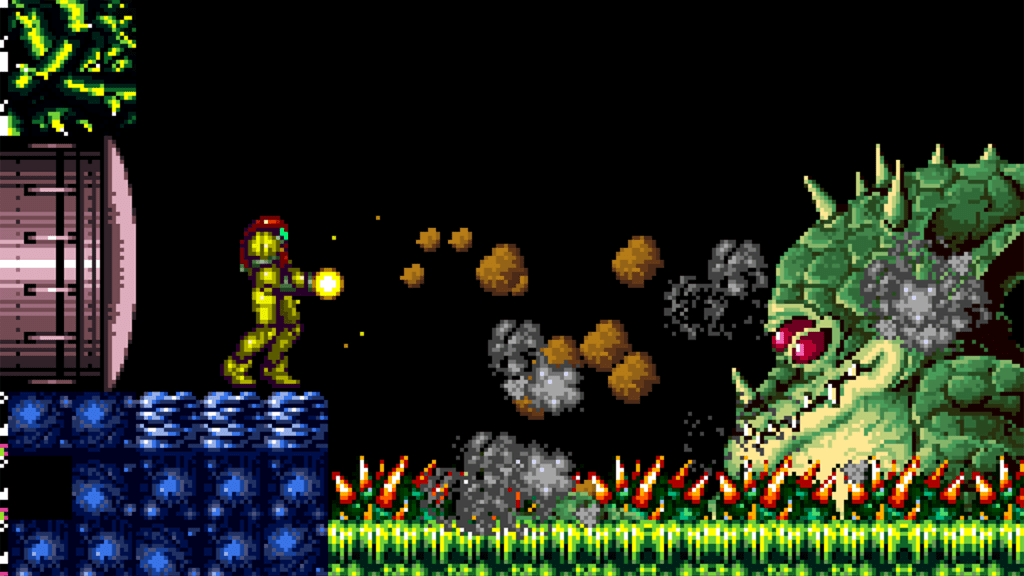
One of the things that makes Super Metroid so important in gaming history is the way it advanced the concept of an open world. Other games, like the original Legend of Zelda and Castlevania, had done something similar. However, the ability to give players a simple map feature made exploration less frustrating and more rewarding, especially as players discovered new weapons and upgrades that could allow for further exploration into previously unreachable locations. This approach paid off for the game, turning the world of Zebes into an intimidating labyrinth that nevertheless never felt confusing or confounding. Alongside 1997’s Castlevania: Symphony of the Night, which took a similar route to crafting an “open world” setting full of puzzles and environmental challenges, the pair codified the action genre now known as “Metroidvania” which has gone on to inspire plenty of great games in the years since.
That emphasis on exploration can be seen in countless other games, too, with games as wildly different as Breath of the Wild to Red Dead Redemption building on the fundamentals of open-world exploration that Super Metroid codified. Action games and the very concept of open-world games likely look very different without the impact of Super Metroid. It helps, too, that the game is so tightly designed and well executed that it still holds up as a great game decades later. Super Metroid is one of those rare games that feels faultless in execution, with an emphasis on action that requires a non-stop pace — but with enough of a focus on exploration and puzzles to give players just enough room to breathe in between action-packed confrontations. 32 years since it debuted, Super Metroid remains one of the most important — and best designed — games that Nintendo ever released.